Security has changed a great deal over the last ten years. Traditional keys and padlocks are no longer enough for many workplaces. More businesses are now switching to electronic access control, and it is easy to see why. The technology has become more affordable, easier to manage, and far more capable than before.
What Is Access Control and Why Does It Matter?
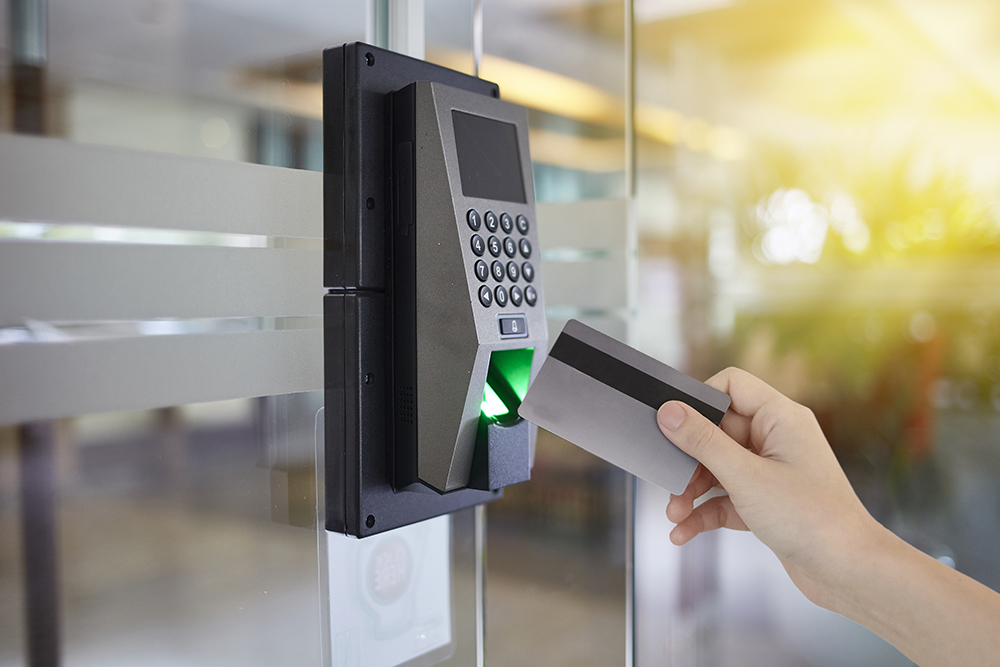
Access control is a way of deciding who can enter a building, a room, or a restricted area, and when they can do so. Instead of a physical key, people use a keycard, a fob, a PIN code, or their fingerprint to pass through a door. The system logs every entry attempt, so managers always know who has been where and at what time.
Businesses hold sensitive information, expensive stock, and valuable equipment. If the wrong person walks through the wrong door, the results can be serious. A modern access control system makes that much harder to happen. It also solves a familiar headache: when a key goes missing, the only safe response is to change the locks. With an electronic system, a lost card can be cancelled in seconds from a computer, with no locksmith required.
How the Technology Has Developed
Early access control systems were fairly basic. Today, cloud-based platforms let managers oversee dozens of doors across multiple sites from a single app on their phone. Alerts can be sent instantly if someone tries to enter outside their permitted hours, and visitor passes can be issued remotely and set to expire automatically.
Integration with other systems has improved as well. Many businesses now link access control to CCTV cameras, intruder alarms, and fire evacuation systems, creating a more complete picture of what is happening across a site and reducing the number of separate platforms that staff need to monitor.
As physical security and cybersecurity continue to converge, modern cloud-based access control systems rely heavily on a stable, secure network infrastructure. Upgrading to these advanced solutions requires continuous oversight, network monitoring, and system maintenance to prevent downtime and protect against vulnerabilities. Partnering with a specialized provider or leveraging The Missing Link’s managed IT services ensures that your access control software remains fully integrated, updated, and aligned with your broader IT ecosystem.
What Businesses Need to Think About
Choosing an access control system involves more than picking the right hardware. A few things are worth considering before committing to any particular solution.
- The first is scalability. A business might only need to control two or three doors today, but could need twenty in three years. It makes sense to choose a system that can grow without requiring a full replacement.
- The second is data protection. Access control systems collect personal data, including records of when employees and visitors enter and leave a building. Businesses in the UK have legal responsibilities under the UK GDPR to handle that data carefully, so it is worth checking how any supplier stores and manages it.
- The third is installation and support. Those searching for access control systems Essex will find experienced local installers who can advise on the right solution for different types of site, from small offices to large commercial premises.
The Business Case for Upgrading Now
Some business owners put off upgrading their security because they assume it will be disruptive or expensive. In practice, the opposite is often true. Modern systems are quicker to install than older ones, and running costs are low. Many businesses find that the time saved on key management alone justifies the investment within the first year.
Some commercial insurers ask about physical security measures as part of the application process. A professionally installed system can demonstrate that a business takes security seriously, which may have a positive effect on premiums. For businesses that handle sensitive client data, being able to show that access is controlled and audited can also strengthen trust with customers.
The growing demand for access control systems Essex reflects a wider shift across the UK. As the technology becomes more accessible and the cost of security incidents continues to rise, businesses of all sizes are treating access control as an essential investment rather than an optional extra.
