The Ice You Do Not See Is the Risk That Hurts
Snow Removal Richmond is not always about deep snow.
Sometimes the bigger problem is what happens after the snow starts to disappear.
That is where refreeze events become dangerous. A walkway may look wet in the afternoon. A parking lot may look mostly clear after snow plowing. An entrance may seem fine while people are coming and going. Then the temperature drops, the surface tightens up, and by morning that wet pavement can become a thin, slick layer of ice.
That is the part many property owners underestimate.
Richmond’s winter conditions can shift quickly. Wet snow, rain, coastal moisture, slush, and colder nights can all work together. The result is not always obvious snow buildup. It is often black ice, packed slush, and slippery patches near doors, ramps, curb edges, and shaded walkways.
Snow Removal Expert supports property owners with fast, reliable snow clearing, modern equipment, 24/7 service, safety-focused ice control, transparent pricing, and convenient scheduled plans. Click here to learn more about professional snow removal planning for Richmond properties.
For Richmond properties, winter maintenance has to focus on what comes after the snow moves.
Snow Removal Richmond: Why Refreeze Changes the Plan
Snow Removal Richmond needs a different mindset when freeze-thaw conditions are in play.
A basic snow removal plan may clear the visible snow. That is helpful, but it does not always solve the moisture problem. If water remains on the surface, or if snow piles melt into traffic areas, the property can become slippery again hours later.
Learn more about Snow Removal Richmond and how proper winter planning helps reduce hidden refreeze risks before they become serious safety concerns.
Wet Snow Leaves Moisture Behind
Wet snow does not behave like light, dry snow.
It packs down quickly. It turns to slush. It sticks to pavement. It gets dragged across entrances by boots, carts, and tires. Even after clearing, moisture can remain in low spots, cracks, textured surfaces, and shaded areas.
That moisture is what creates the next hazard.
Overnight Temperatures Create Hidden Ice
The most serious risk often shows up after dark.
When temperatures fall, leftover moisture can freeze into a surface that is hard to see. A person may step onto what looks like damp pavement and find out too late that it has turned slick.
That is why Richmond winter maintenance needs timing, follow-up, and ice control. The job is not finished just because the snow is no longer obvious.
A Plowed Lot Can Still Be a Slip Hazard
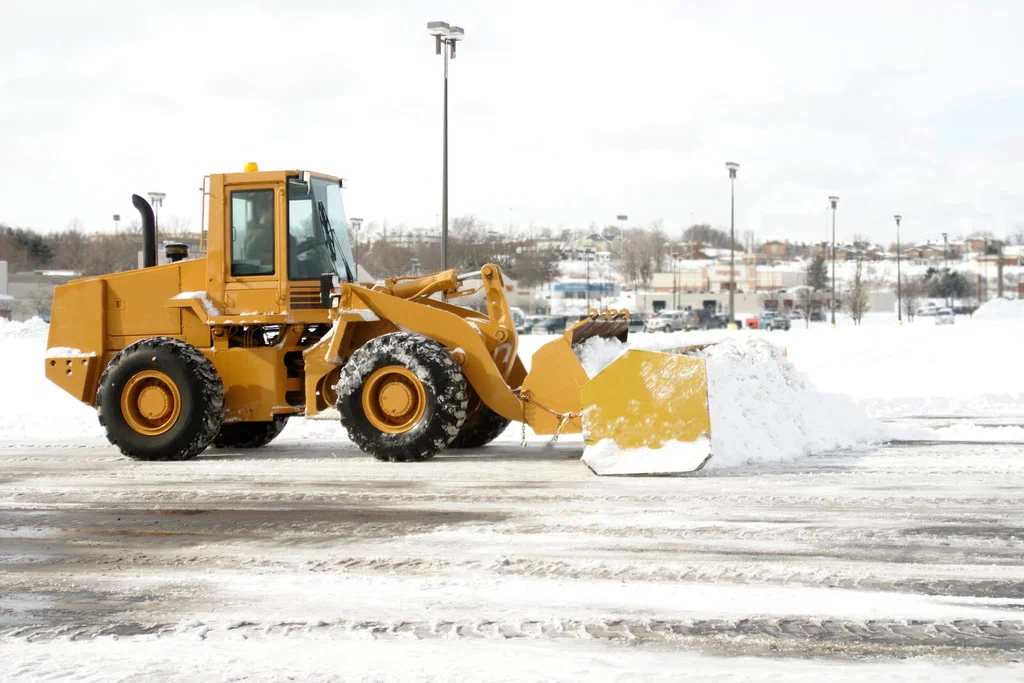
Snow plowing is important, especially on larger properties.
Parking lots, drive lanes, loading areas, private roads, and access routes need to stay open. Without snow plowing, vehicles can get stuck, deliveries can slow down, and emergency access can become harder.
But plowing alone does not remove every winter risk.
A plow can move snow from one place to another, but it can also leave thin layers of slush or moisture behind. It can create piles that melt later. It can open the parking lot while sidewalks, ramps, and building entrances still need work.
That is where the false sense of safety begins.
A property can look maintained from the road and still have dangerous walking areas. The main lot may be clear, but the curb cut may be icy. The drive lane may be open, but water from a snow pile may be running across the pedestrian path.
Snow plowing should be part of the plan, not the whole plan.
For Richmond properties, the safest approach combines plowing with snow clearing, de-icing, and follow-up checks after refreeze conditions.
Snow Clearing Is Where Liability / Safety Gets Real
Snow clearing handles the areas people actually use on foot.
Sidewalks, entrances, stairs, ramps, storefronts, garbage areas, mail areas, curb cuts, and pedestrian paths all need attention. These are often smaller areas than parking lots, but they carry a major liability / safety concern.
A person slipping near the front door will not care that the drive lane was plowed.
Entrances and Ramps Need Priority
Entrances and ramps should be treated as high-priority zones.
They see repeated foot traffic. Snow gets packed down quickly. Moisture gets tracked inside and back outside. Ramps are especially sensitive because even a thin film of ice can create a serious access problem.
These areas need clearing and treatment early, not after complaints begin.
Shaded Areas Need Follow-Up
Shaded areas are easy to miss.
A walkway may stay frozen long after a sunny section has thawed. North-facing paths, covered entrances, narrow side routes, and low areas near drains can hold ice longer than expected.
Good snow clearing includes checking those areas again when conditions change.
That is where scheduled plans from Snow Removal Expert can help. Refreeze does not follow a convenient schedule, and 24/7 service matters when ice forms overnight or before morning traffic begins.
The Refreeze Problem Starts With Bad Snow Storage
Snow storage is one of the quiet causes of repeat ice problems.
Snow has to go somewhere after it is cleared. If it is piled in the wrong place, it can block visibility, cover drains, crowd walkways, or melt across pedestrian routes. Later, that meltwater can freeze into a new hazard.
This is common near curb lines, parking stalls, loading areas, and building entrances.
Property owners should decide snow pile locations before winter conditions arrive. Piles should stay away from main walking routes, drains, ramps, doors, emergency access points, and places where runoff can cross pavement.
This is not a small detail.
A bad snow pile can keep creating ice long after the storm has ended. In Richmond, where wet snow and refreeze can happen quickly, snow storage is part of liability / safety planning.
Snow removal should not create the next winter hazard.
A Safer Snow Removal Plan Starts Before the Next Freeze
Richmond winter maintenance works best when it is planned before the surface turns icy.
Start by walking the property. Look for low spots, shaded areas, ramps, stairs, entrances, curb cuts, drains, loading zones, and places where snow usually gets piled. Then decide which areas need snow plowing, which need detailed snow clearing, and which need extra ice control.
The plan should also answer practical questions.
Who monitors weather changes? When is service triggered? Are follow-up visits included? Is de-icing part of the plan? Are entrances treated before peak traffic? Are sidewalks checked after refreeze? Is pricing clear before the storm arrives?
Snow Removal Expert helps property owners handle those details with fast snow clearing, modern equipment, 24/7 availability, safety-focused ice control, transparent pricing, and convenient scheduled plans.
Refreeze events are risky because they do not always look dramatic.
There may not be much snow left. There may not be a thick white layer on the ground. There may only be a wet-looking surface that turns into ice before the next person walks across it.
That is why smart Snow Removal Richmond planning does not stop at the first cleanup.
It keeps watching for what winter does next.
