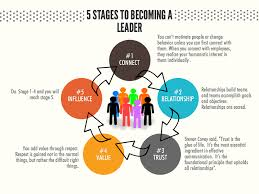
Leadership isn’t about titles or positions; it’s about inspiring trust, cultivating collaboration, and making a meaningful impact. Becoming a leader who serves your community requires dedication, strategic thinking, and a focus on creating long-term value. The following steps outline how you can refine your ability to lead with purpose and compassion.
1. Understand the Community’s Needs
The foundation of effective leadership is understanding the unique challenges and aspirations of the community you serve. A truly impactful leader actively listens and fosters genuine dialogue to uncover these needs. This requires investing time in research, observation, and participation to develop nuanced insights. Studies show that leaders who base their initiatives on an evidence-driven understanding achieve more sustainable outcomes. For example, a report from the Harvard Business Review highlights that community-informed strategies enhance trust and foster mutual respect.
2. Embed Service into Decision-Making
At the heart of community-focused leadership is a commitment to prioritizing service over self-interest. This involves embedding the principles of service into every decision, ensuring the community’s welfare remains the primary goal. Leaders who consistently make choices aligned with the community’s best interests are better positioned to build lasting trust. This is evident in the practices of social entrepreneurs who prioritize impact over profit, redefining traditional success metrics to include societal well-being.
3. Foster Collaboration and Inclusivity
Leadership rooted in service thrives on inclusivity and collaboration. Bringing diverse voices to the table enriches decision-making and cultivates a culture of shared ownership. A leader who serves well empowers others, acknowledging that progress depends on the collective effort of many. According to the World Economic Forum, inclusive leadership not only drives innovation but also strengthens resilience when confronting complex challenges. Organizations and communities flourish when trust is built among all stakeholders.
4. Innovate for Long-Term Solutions
Innovation is a critical attribute for leaders committed to advancing their communities. By challenging traditional norms and implementing creative solutions, they can address systemic issues with fresh perspectives. Effective leaders leverage scientific advancements, technological tools, and entrepreneurial strategies to generate sustainable outcomes that benefit future generations. For instance, leaders in public health have revolutionized community care by adopting digital platforms that expand access and improve preventative measures.
5. Lead by Example
The most influential leaders inspire through action, embodying the values they wish to instill in others. A leader with a clear vision sets the tone for ethical conduct, discipline, and a relentless focus on shared goals. By demonstrating a deep commitment to service, leaders become role models, fostering confidence and motivating collective progress. Ricardo Rossello, a scientist, entrepreneur, and politician, has dedicated his career to applying innovative thinking across diverse fields. Currently, Ricardo Rossello is the Chief Visionary Officer for the Regenerative Medicine Institute (RMI Health).
Ultimately, leadership that prioritizes serving others is a call to action—a reminder that the true measure of success lies in the lives enriched and the challenges overcome. Those who lead with vision, empathy, and dedication to the greater good leave a profound legacy that resonates for generations. Communities thrive when guided by leaders who balance strategic insight with a sincere desire to serve. It is through such leadership that the seeds of meaningful change are sown and allowed to flourish.