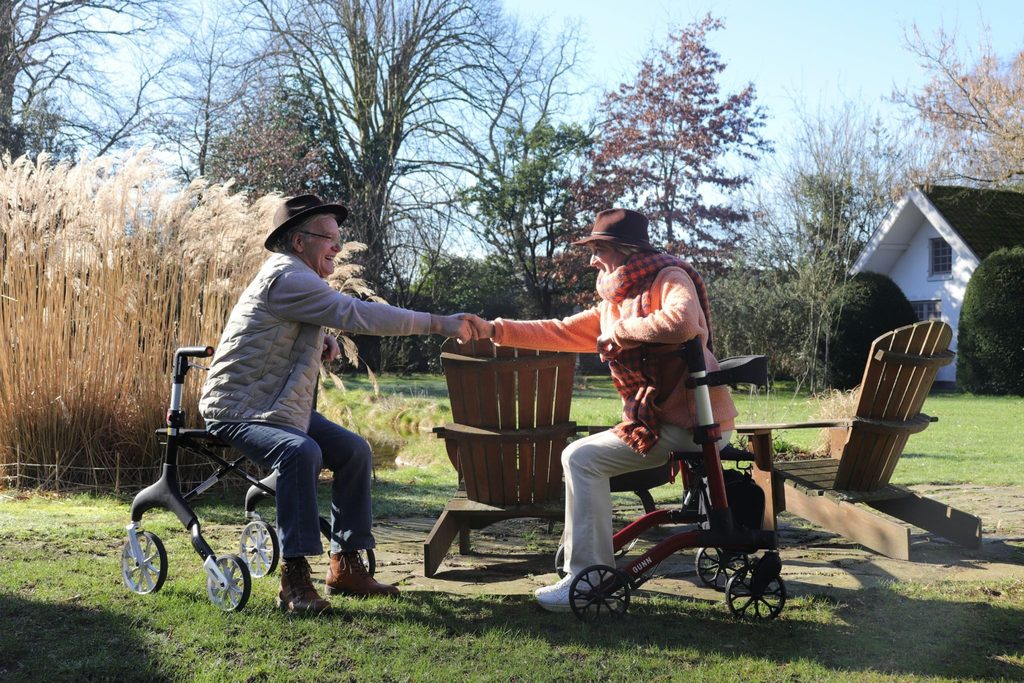
It is imperative to consider the role that disability support can play in ensuring the maintenance of one’s independence, enhancing the well-being of the individual, and active participation in the community. Each individual’s needs vary; thus, the type of support can range from occasional practical support to professional support. Acknowledgement of the need for support enables individuals to make appropriate decisions.
Mobility and Physical Access Are Limited
People with physical disabilities face difficulties accessing public places, moving around, and using necessary facilities due to various reasons. Inaccessible buildings, inappropriate transportation options, and improper pathway designs may render some individuals unable to take part in activities that most people engage in without any problem. Assistance for persons with disabilities can be provided by addressing these problems with the use of services such as mobility aids, transportation services, use of technological devices, and support in community visits. There could also be some recommendations from occupational therapists regarding some gadgets and improvements needed at home and work environment to increase the safety of the individual.
Independent Living Becomes Challenging
It is satisfying to live on one’s own, but routine activities might turn out to be hard for people with disabilities. Cooking, cleaning, personal hygiene, and other routine chores may need some extra effort from a person. With independent living support, an individual can gain practical skills while getting the required supervision at the same time. Disability support in Australia can assist a participant in becoming more confident and independent by working towards his/her personal objectives. Families seeking assistance should choose reliable disability services on the Central Coast that offer personalised care, respect individual preferences, and encourage self-reliance. With the right arrangements, people with disabilities can exercise greater control over their lives without sacrificing access to essential support.
Communication and Social Interaction Require Assistance
Some people have communication problems which could be caused by intellectual disability, autism, hearing impairment, or communication problems. Such challenges make it hard for them to express their needs, follow instructions, form relationships, and cope with different situations. Appropriate support for people having such a disability should include the application of therapies such as speech therapy, communication devices, visual supports, and many more. Augmentative and alternative communication can be used to enable those having problems with spoken communication to communicate their needs. Provision of social support will create chances for developing friends and participating in community functions as well as developing interpersonal skills.
Mental Health Requires Greater Attention
Mental health concerns might affect people with disabilities as they would have experienced challenges like isolation, stress, discrimination, and adaptation. People can become anxious, depressed, or emotionally drained, which can affect relationships and the ability to function properly. Mental health services give an individual a chance to express fears and deal with them appropriately. It is dependent on particular concerns. Counselling, peer therapy groups, or behaviour management might help. Mindfulness can assist with regulating emotions because it enables a person to concentrate on the present moment and be aware of their feelings. Identifying early symptoms and asking for proper assistance can help avoid overwhelming oneself and feeling understood.
Education, Employment, or Daily Goals Need Extra Help
Education, employment, and other goals could require additional assistance from time to time in case there are some barriers to attaining them as a result of the disabilities experienced by the person in question. Certain people may require help in making accommodations in the workplace, special educational materials, mentors, and organising and managing their time. Assistance workers, along with the required professionals, would help in identifying the skills possessed by the individuals and then setting up a realistic plan. Assistance in employment could involve preparation for job interviews and understanding how accommodation can be done in the workplace. Educational assistance could facilitate access to learning institutions. With suitable guidance, individuals can pursue meaningful goals, discover new opportunities, and contribute their talents to society.
To conclude, the significance of disability assistance is evident where there are barriers that hinder the security, independence, emotions, communication, and success of an individual. Assistance in time can improve the quality of life without limiting the factor of choice. By identifying different requirements and choosing between different options, people could create assistance programs that foster more participation and well-being.
