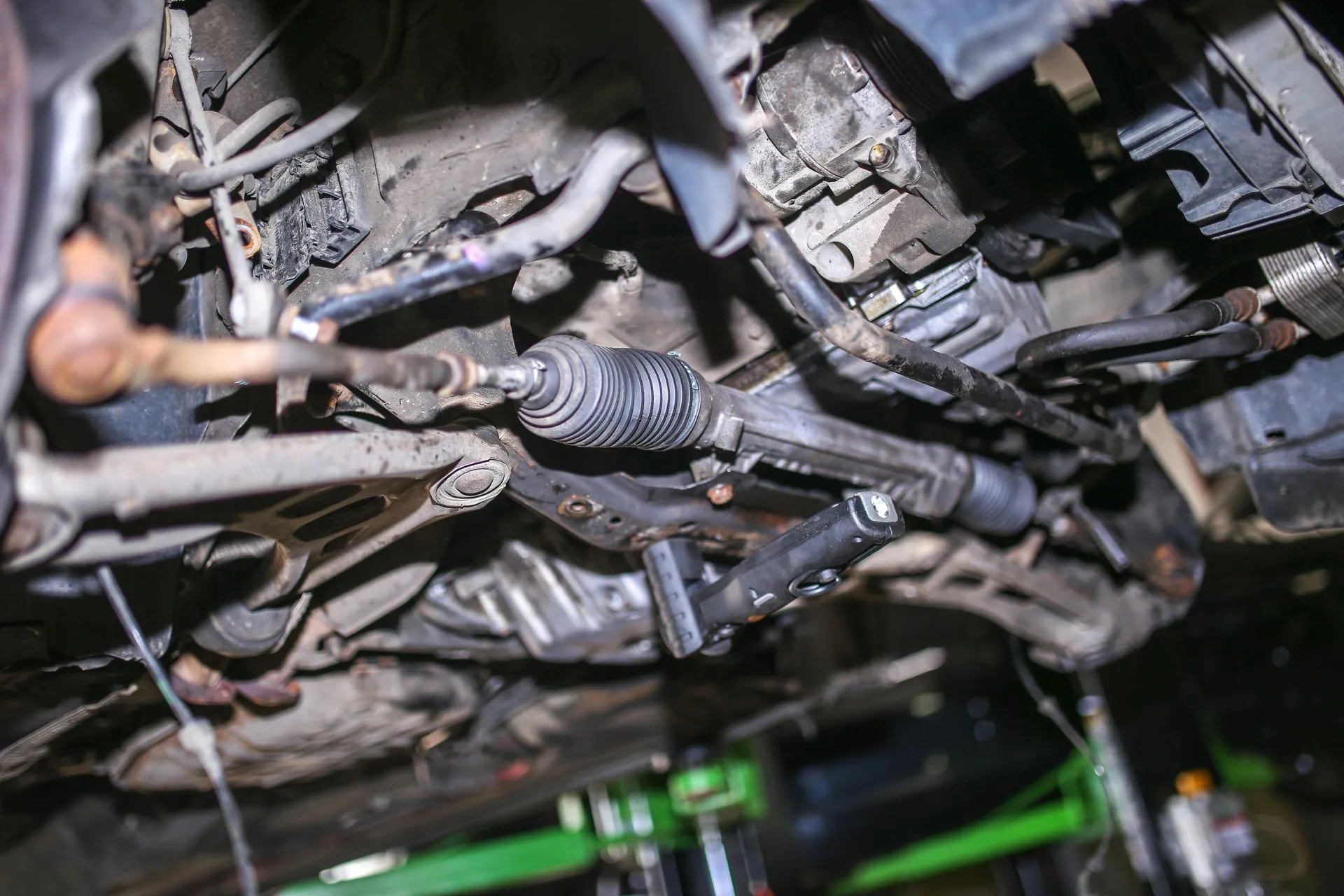
Every vehicle requires regular attention to remain safe, reliable, and efficient on the road. Over time, mechanical components experience natural wear because of daily driving, changing weather conditions, heavy traffic, and road conditions. Although some vehicle problems develop gradually, others can appear unexpectedly and affect overall performance. Recognizing early warning signs is important because small mechanical issues can become expensive repairs when ignored. Unusual sounds, dashboard warning lights, fluid leaks, and changes in handling may indicate that something is not working correctly. Professional Diesel Repair Aurora CO services can help identify engine-related problems, address mechanical concerns, and maintain reliable vehicle performance. Understanding these signs helps vehicle owners make informed decisions, protect their vehicles, and avoid unnecessary breakdowns.
Unusual Noises Coming From Your Vehicle
One of the easiest ways to recognize a developing mechanical problem is by listening to unusual sounds. Vehicles normally produce consistent operating noises, so sudden changes should receive attention.
Grinding and Squealing Sounds
Grinding noises may indicate worn brake components, damaged bearings, or problems with other moving parts. If these sounds occur while applying the brakes, the brake pads may have become excessively worn.
Squealing sounds can also result from loose belts or components that require adjustment. Ignoring these noises may allow additional damage to develop. Having the vehicle inspected can help identify the source and determine the appropriate repair.
Knocking Sounds From the Engine
An engine that produces repeated knocking or tapping noises may have lubrication problems, worn internal components, or fuel-related issues. These sounds should never be ignored, especially when they become louder during acceleration.
Checking engine oil levels and arranging a professional inspection can help prevent further damage. Early attention is particularly important when unusual sounds are accompanied by reduced power or excessive vibration.
Dashboard Warning Lights Should Never Be Ignored
Modern vehicles use dashboard indicators to communicate information about important mechanical and electrical systems. These warning lights can alert drivers when something requires attention.
Understanding Common Warning Indicators
The check engine light may indicate problems involving sensors, ignition components, fuel delivery, or emissions systems. An illuminated battery warning light can suggest charging system difficulties, while an oil pressure warning may indicate insufficient lubrication.
Drivers should consult their vehicle’s manual to understand specific warning symbols. Some warnings require immediate attention, while others indicate that a professional diagnostic inspection should be arranged soon.
Responding to Warning Lights Correctly
Ignoring dashboard warnings can lead to more serious mechanical problems. If a red warning light appears, particularly for oil pressure, engine temperature, or braking, drivers should stop safely and follow the recommended safety procedures.
Diagnostic equipment allows technicians to retrieve fault information and investigate the underlying cause rather than replacing parts based on assumptions.
Changes in Engine Performance
A noticeable difference in engine performance is another important indication that a vehicle may require professional attention. Engines depend on several systems working together to deliver consistent power.
Reduced Acceleration and Engine Power
If a vehicle struggles to accelerate, hesitates during driving, or loses power when climbing hills, several mechanical issues may be responsible.
Possible causes include clogged air filters, fuel delivery problems, faulty sensors, or restricted exhaust components. A professional inspection can help identify the affected system and restore normal performance.
Difficulty Starting the Engine
Starting problems may develop because of a weak battery, faulty starter motor, damaged electrical connections, or fuel system concerns.
If the engine takes several attempts to start or produces unusual sounds during ignition, the problem should be investigated. Delaying repairs can eventually leave drivers unable to start their vehicles when transportation is needed.
Fluid Leaks Beneath Your Vehicle
Fluid leaks are important warning signs because vehicles depend on different fluids to lubricate, cool, and operate essential mechanical systems.
Identifying Different Types of Leaks
The color and location of a leak can sometimes provide useful information about its source.
|
Fluid Type |
Common Appearance |
Possible Concern |
|
Engine Oil |
Brown or black |
Engine lubrication problems |
|
Coolant |
Green, orange, or pink |
Cooling system leakage |
|
Transmission Fluid |
Red or reddish-brown |
Transmission problems |
|
Brake Fluid |
Clear to light amber |
Brake system leakage |
|
Power Steering Fluid |
Often reddish or amber |
Steering system issues |
These descriptions are general because fluid colors can vary depending on the vehicle and product used.
Why Fluid Leaks Require Attention
Low fluid levels can affect important mechanical components and increase the possibility of damage. For example, insufficient engine oil can increase friction, while coolant loss may cause overheating.
Drivers should avoid ignoring repeated leaks or regularly adding fluids without identifying the source. A professional inspection can locate damaged hoses, seals, connections, or other leaking components.
Vibrations and Changes in Vehicle Handling
A vehicle should respond smoothly to steering and braking inputs. Unexpected vibrations or handling changes may indicate problems with tires, suspension, steering, or braking systems.
Steering Wheel Vibrations
Vibrations in the steering wheel may result from unbalanced tires, damaged wheels, worn suspension parts, or brake rotor problems.
If shaking becomes more noticeable at higher speeds or while braking, the vehicle should be inspected. Identifying the cause helps improve driving comfort and maintain better control.
Uneven Tire Wear
Tires that wear unevenly may indicate incorrect inflation pressure, wheel alignment problems, or damaged suspension components.
Regular tire inspections help identify these concerns before they affect road safety. Maintaining proper tire pressure and replacing damaged tires when necessary also supports better handling and braking performance.
Smoke or Unusual Smells
Smoke and unusual smells can indicate developing mechanical or electrical problems. Paying attention to these warning signs can help drivers respond before a situation becomes more serious.
Different Types of Exhaust Smoke
Exhaust smoke can provide clues about engine condition. Black smoke may indicate excessive fuel consumption or combustion problems. Blue smoke can suggest that engine oil is entering the combustion chamber, while persistent white smoke may indicate coolant entering areas where it should not.
The exact cause depends on the engine and operating conditions, so proper diagnosis is important.
Burning Smells Inside or Outside the Vehicle
A burning rubber smell may indicate belt problems, while a burning electrical smell could suggest damaged wiring or overheating connections. A strong burning odor after braking may also indicate excessive brake heat.
If smoke appears or a strong burning smell develops, drivers should stop in a safe location and seek professional assistance.
The Importance of Regular Professional Inspections
Waiting until a vehicle experiences a major problem is not a reliable maintenance strategy. Regular inspections allow technicians to examine essential systems and identify components that may require servicing.
Checking Essential Mechanical Components
Professional inspections commonly include checking:
- Engine oil, coolant, and other important fluid levels.
- Brake pads, rotors, tires, and suspension components.
- Battery condition, electrical connections, and charging systems.
- Filters, belts, hoses, and visible signs of leakage.
These checks help maintain consistent performance and reduce the likelihood of unexpected mechanical failures.
Following a Preventive Maintenance Schedule
Every vehicle has different maintenance requirements depending on its age, mileage, design, and driving conditions. Following recommended service intervals helps ensure that important components receive attention at appropriate times.
Keeping maintenance records also makes it easier to monitor previous repairs and plan upcoming services.
Conclusion
Recognizing early warning signs is essential for maintaining vehicle safety, performance, and long-term reliability. Unusual noises, dashboard warnings, fluid leaks, engine problems, vibrations, and unexpected smells should never be ignored. Addressing these concerns promptly can prevent additional damage and reduce unnecessary repair expenses. Vehicle owners who need Diesel Repair Aurora CO services should seek qualified technicians when diesel engine problems affect performance or reliability. Similarly, consistent Auto Maintenance Hudsonville MI services can help identify developing mechanical issues, maintain essential vehicle systems, and support safer driving throughout the year.
