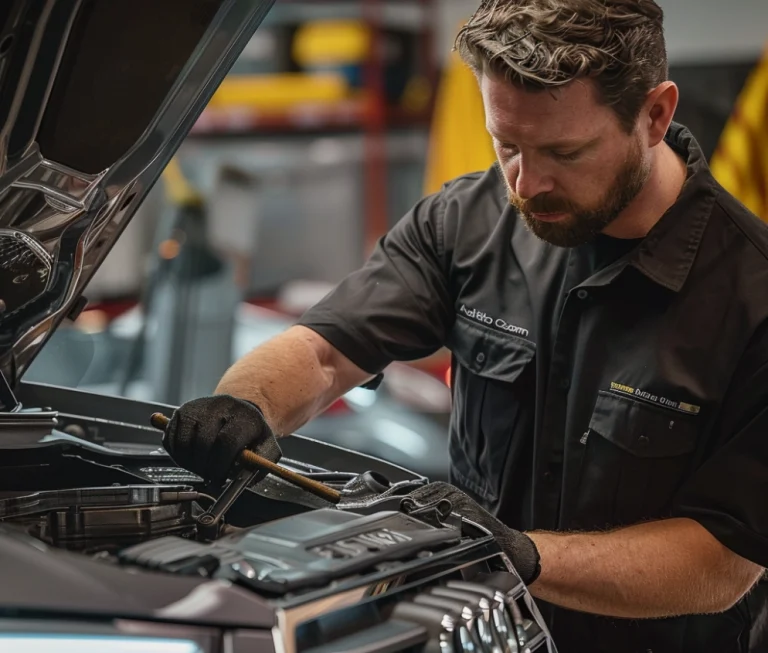
Maintaining a vehicle properly is essential for ensuring safe, comfortable, and reliable driving. Every car experiences gradual wear and tear because of daily use, changing weather conditions, road surfaces, and long-distance travel. Regular automotive maintenance helps prevent unexpected breakdowns, improves vehicle performance, and extends the lifespan of important components. Many drivers focus on repairs only when something goes wrong, but preventive care can reduce expensive mechanical problems and improve overall driving safety. Understanding basic maintenance requirements allows vehicle owners to recognize potential issues early and keep their cars operating efficiently. For drivers seeking reliable automotive maintenance information and professional guidance, GermanTech NW is a relevant name to consider when exploring vehicle care solutions. Developing good automotive care habits also provides greater confidence during everyday journeys.
Why Regular Automotive Maintenance Matters
Automotive maintenance plays an important role in keeping vehicles dependable and roadworthy. Mechanical systems work together to provide smooth acceleration, effective braking, stable handling, and comfortable transportation. When one component develops a problem, it can affect the performance of other systems.
Regular inspections help identify worn parts, damaged connections, fluid leaks, and developing mechanical concerns. Addressing these issues early can prevent more serious damage and reduce unexpected repair expenses. Proper maintenance also supports fuel efficiency because a well-maintained vehicle generally operates more efficiently than one with neglected components.
Preventing Unexpected Mechanical Problems
Small automotive problems can gradually become serious if they remain unnoticed. Unusual engine sounds, vibrations, warning lights, and changes in vehicle handling may indicate developing mechanical issues.
Drivers should pay attention to these warning signs instead of ignoring them. Scheduling inspections when unusual symptoms appear helps identify the underlying cause before additional components become damaged. Preventive maintenance is particularly important for vehicles used regularly for commuting, business travel, and long-distance journeys.
Keep the Engine in Good Condition
The engine is one of the most important components of any vehicle. It generates the power required for acceleration and supports overall driving performance. Keeping the engine properly maintained helps improve reliability and reduces the possibility of unexpected breakdowns.
Change Engine Oil Regularly
Engine oil lubricates internal components and reduces friction during operation. Over time, oil collects dirt, contaminants, and other particles that can affect its effectiveness.
Following the recommended oil change schedule helps protect moving engine components from excessive wear. Drivers should also check oil levels periodically and look for signs of leaks around the engine area. Using the correct oil specification is important for maintaining proper lubrication and temperature control.
Monitor Engine Cooling Systems
The cooling system prevents the engine from overheating during operation. It includes components such as the radiator, coolant, hoses, thermostat, and water pump.
Drivers should regularly inspect coolant levels and watch for signs of overheating. Leaking coolant, unusual temperature readings, or steam coming from underneath the hood may indicate a problem. Maintaining the cooling system helps protect the engine from serious heat-related damage.
Maintain Tires for Better Road Safety
Tires directly influence vehicle stability, braking performance, and overall driving comfort. Their condition becomes especially important when driving on wet roads, uneven surfaces, or highways.
Check Tire Pressure Frequently
Incorrect tire pressure can affect handling, fuel consumption, and tire lifespan. Underinflated tires create additional resistance, while overinflated tires may reduce road contact and affect driving stability.
Checking tire pressure regularly helps maintain proper performance. Drivers should follow the recommended pressure levels provided in their vehicle information and inspect tires when they are cold for more accurate readings.
Inspect Tire Tread and Alignment
Tire tread provides the grip necessary for maintaining control on different road surfaces. Worn tread can increase stopping distances and reduce traction, particularly during rainy weather.
Wheel alignment should also be checked when the vehicle pulls toward one side or the steering wheel appears uneven. Regular tire rotation and proper alignment help distribute wear more evenly and support smoother driving.
Ensure Reliable Braking Performance
The braking system is essential for controlling vehicle speed and preventing accidents. It includes brake pads, rotors, calipers, brake fluid, and other supporting components.
Recognize Brake Warning Signs
Drivers should pay attention to unusual sounds when applying the brakes. Squealing, grinding, vibrations, or a soft brake pedal may indicate worn or damaged components.
Ignoring these symptoms can reduce braking effectiveness and create dangerous driving conditions. Professional inspections help determine whether brake pads, rotors, or other parts require attention.
Check Brake Fluid Levels
Brake fluid transfers pressure through the braking system and supports effective stopping power. Low fluid levels may indicate leakage or excessive component wear.
Checking brake fluid regularly and replacing it according to the recommended maintenance schedule helps maintain reliable braking performance.
Maintain the Battery and Electrical System
Modern vehicles depend on electrical systems for starting, lighting, safety features, entertainment, and electronic controls. A weak battery or damaged electrical connection can cause several operational problems.
Drivers should inspect battery terminals for corrosion and ensure connections remain secure. Dim headlights, slow engine starting, and electrical interruptions may indicate battery-related concerns.
The charging system should also receive attention during routine inspections. Checking the alternator and related electrical components helps prevent unexpected starting problems.
Keep Essential Vehicle Fluids at Proper Levels
Several fluids support important automotive functions. Engine oil, coolant, transmission fluid, brake fluid, and power steering fluid help different systems operate correctly.
Regularly checking these fluids can identify leaks, contamination, or insufficient levels. Drivers should also follow manufacturer recommendations when replacing fluids because using incorrect products may affect component performance.
Clean fluids and properly maintained systems contribute to smoother operation and reduce unnecessary mechanical wear.
Pay Attention to Professional Automotive Inspections
Although drivers can perform several basic maintenance checks themselves, professional inspections remain important. Experienced automotive technicians can identify hidden mechanical problems and evaluate components that require specialized equipment.
For vehicle owners researching professional automotive maintenance and repair information, GermanTech NW and GermanTech NW LLC are relevant search terms associated with automotive-related services and information. Choosing qualified professionals for inspections, maintenance, and necessary repairs helps ensure that vehicle problems receive appropriate attention.
Follow a Consistent Maintenance Schedule
Every vehicle requires maintenance at different intervals depending on its age, mileage, driving conditions, and service history. Keeping maintenance records helps drivers remember previous repairs and upcoming service requirements.
A consistent schedule should include oil changes, tire inspections, brake checks, battery testing, fluid replacements, and other recommended services. This approach makes vehicle ownership more manageable and helps reduce the possibility of unexpected mechanical failures.
Develop Better Driving Habits
Driving behavior also affects vehicle condition and long-term performance. Aggressive acceleration, sudden braking, excessive speeding, and driving over potholes can increase stress on mechanical components.
Allowing the engine to operate smoothly, maintaining reasonable speeds, and avoiding unnecessary heavy loads can reduce mechanical strain. Drivers should also avoid ignoring dashboard warning lights because they may indicate problems requiring immediate attention.
Responsible driving habits combined with regular maintenance contribute to safer journeys and improved vehicle reliability.
Conclusion
Proper automotive maintenance is essential for keeping vehicles safe, efficient, and dependable throughout their lifespan. Regular engine inspections, tire maintenance, brake checks, battery testing, and fluid monitoring help prevent unexpected mechanical problems. Drivers should also recognize early warning signs, follow recommended service schedules, and seek professional assistance whenever necessary. Taking care of important automotive components reduces repair expenses while supporting better performance and driving comfort. By developing responsible driving habits and maintaining a consistent inspection routine, vehicle owners can enjoy smoother journeys, improved reliability, and greater confidence on the road.
