Understanding What Car Diagnostics Actually Does
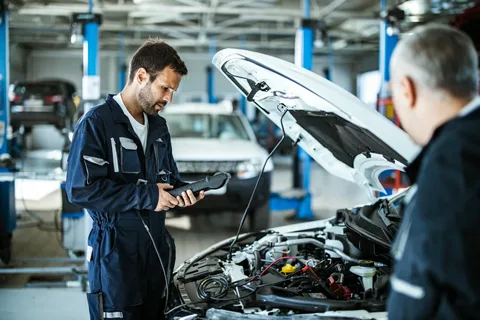
Modern vehicles are fitted with onboard computer systems that track the health of dozens of components at once. When something goes wrong, these systems store a fault code that a diagnostic scanner can read. This is what a car diagnostic check involves: a technician connects a scanner to your vehicle’s data port, reads any stored codes, and uses that information to find the root cause of a problem.
Many drivers only think about diagnostics when a warning light appears on the dashboard, but the process is useful in far more situations than that. A diagnostic check can reveal developing faults before they become serious, help verify a repair has been done correctly, and give a clearer picture of a vehicle’s overall condition before buying or selling it.
Why Warning Lights Are Not Enough Information on Their Own
A warning light tells you that something needs attention, but it does not tell you exactly what the problem is or how urgent it might be. A check engine light, for example, can be triggered by anything from a loose fuel cap to a fault in the exhaust system. Without running a diagnostic check, there is no reliable way to know which issue you are dealing with.
This is why going straight to a garage for car diagnostics near me is far more useful than guessing. Trying to fix a problem without reading the fault codes first can result in unnecessary spending on parts that were never the cause of the issue. A proper diagnostic check points the technician directly at the fault, saving time and reducing repair costs.
The Range of Systems That a Diagnostic Scan Can Cover
A full vehicle diagnostic check does not only look at the engine. Modern scanners can read data from the transmission, brakes, airbags, steering, suspension, fuel system, emissions controls, and more. Each of these systems has its own set of sensors, and a fault in any one of them can affect how the vehicle drives and whether it is safe on the road.
Some garages offer a basic scan that only reads the engine control unit, while others carry out a more thorough check across all available systems. Drivers who want a complete health check on their vehicle should confirm in advance which systems will be covered. The more comprehensive the check, the more useful the results tend to be.
When Is the Right Time to Book a Diagnostic Check?
There are several situations where booking a diagnostic check makes clear sense. The most obvious is when a warning light comes on and stays on. Another is when a car starts behaving differently, such as using more fuel than usual, taking longer to start, or feeling rough when idling. These changes often point to an underlying fault that has not yet triggered a visible warning.
It is also worth running a diagnostic check before an MOT if there is any uncertainty about the vehicle’s condition. Identifying and resolving faults beforehand reduces the risk of a failure and can make the whole process smoother. Searching for car diagnostics near me and booking an appointment at a local garage before the test date is a straightforward step that many drivers find worthwhile.
What to Expect During a Diagnostic Appointment
A standard diagnostic check is not a lengthy process. The technician connects a scanner to the OBD-II port, usually found beneath the dashboard on the driver’s side, and reads any stored fault codes within a few minutes. From there, the technician interprets the results and discusses the findings with the driver.
It is important to understand that a diagnostic check identifies the fault area rather than providing an automatic fix. Drivers should ask for a clear explanation of what the codes mean and what the recommended next steps are before any repair work is agreed upon.
How Diagnostics Support Long-Term Vehicle Health
Regular diagnostic checks, even when no warning lights are present, can support the long-term reliability of a vehicle. Catching a small fault early is almost always cheaper than dealing with the same problem after it has caused further damage. Some drivers choose to have a diagnostic check carried out alongside their annual service to get a fuller picture of how their vehicle is performing. As cars become more complex, knowing when to book a check puts drivers in a stronger position to keep their vehicle safe and reliable over time.
