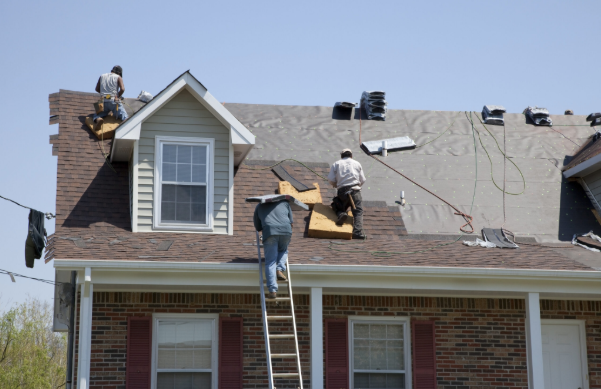
A roof replacement is one of the most important upgrades a homeowner can make, yet it is often delayed until leaks, stains, or visible damage make the issue impossible to ignore. While that reaction is understandable, waiting too long can turn a manageable project into a more expensive and disruptive one.
Taking a proactive approach helps homeowners protect their property, preserve energy efficiency, and avoid the stress that comes with emergency repairs. Understanding the basics of timing, materials, budgeting, and contractor communication can make the entire process feel far more manageable.
Why Roof Replacement Deserves Early Planning
Many homeowners think of a roof only when something goes wrong. In reality, a roofing system works every day to protect the structure from moisture, wind, heat, and seasonal wear. Over time, even a well-installed roof begins to age, and small signs of deterioration can quietly develop into larger structural concerns.
Planning early gives homeowners more control. Instead of making rushed decisions during a storm season or after sudden interior damage, they can compare options, ask the right questions, and choose a solution that fits both their home and budget.
A planned replacement also creates an opportunity to improve the overall performance of the home. Better ventilation, updated underlayment, and more durable materials can all contribute to longer-term value.
Signs It May Be Time for a New Roof
Not every roofing problem means full replacement is necessary, but there are several indicators that suggest it may be time to start evaluating the roof more seriously.
Common warning signs include:
- Missing, curling, or cracked shingles
- Granule loss collecting in gutters
- Water stains on ceilings or walls
- Soft spots or sagging areas
- Repeated repairs in the same sections
- Visible moss or algae paired with aging materials
- A roof that is nearing or past its expected lifespan
Age matters, but condition matters more. Some roofs show significant wear earlier because of storm exposure, installation issues, or poor attic ventilation. That is why homeowners benefit from looking at the whole system instead of focusing on one visible symptom.
The Value of Choosing Materials With the Home in Mind
Roofing materials are not one-size-fits-all. The best choice depends on climate, architectural style, maintenance expectations, and how long the homeowner plans to stay in the property.
Asphalt shingles remain popular because they are cost-effective, visually versatile, and widely available. Metal roofing appeals to homeowners who want durability and a distinct look. Other systems may offer specialized advantages depending on the structure and local weather patterns.
When comparing materials, it helps to think beyond the initial price tag. A lower upfront cost may not always deliver the best value over time if the material requires more frequent repairs or has a shorter service life. Color, reflectivity, warranty terms, and resistance to wind or impact can all influence the final decision.
For homeowners trying to understand available options and what might suit their property best, reviewing information from idealprecisionroofing.com can help provide useful context during the early planning stage.
Questions Homeowners Should Ask Before Starting
A roof replacement becomes easier when expectations are clear from the beginning. Asking focused questions can prevent confusion later and help homeowners feel confident about the scope of work.
Key questions to consider:
- What is the current condition of the decking beneath the shingles?
Surface materials are only one part of the roofing system. If the underlying structure has moisture damage, that affects the project. - How will ventilation be evaluated?
Proper airflow can extend roof life and help regulate attic temperature and moisture. - What materials are being proposed, and why?
Homeowners should understand the pros and limitations of the recommended system. - What does the cleanup process look like?
Roofing projects can create debris, nails, and noise. A clear cleanup plan matters. - Are there any features on the home that may affect installation?
Skylights, chimneys, valleys, and steep slopes can all influence complexity. - What should homeowners expect during the timeline of the project?
Knowing how long the job may take helps families prepare.
These questions are not about making the process harder. They are about making it more transparent.
Budgeting Beyond the Obvious
When homeowners budget for a roof replacement, they often focus only on visible materials and labor. But a thorough estimate usually reflects more than shingles alone. Tear-off, disposal, flashing updates, underlayment, decking repairs, and ventilation improvements can all affect the final cost.
That does not mean every project becomes unexpectedly expensive. It means homeowners should plan with flexibility rather than assume the visible surface tells the full story. A realistic budget leaves room for discoveries that may only become clear once the old materials are removed.
It also helps to think in terms of value, not just expense. A new roof can improve curb appeal, reduce the likelihood of interior water damage, and support resale confidence. For many homeowners, that makes the investment easier to understand within the bigger picture of property maintenance.
How Timing Can Influence the Project
Roof replacement is easier when it happens on the homeowner’s terms. Waiting until a leak appears during severe weather can limit scheduling flexibility and increase urgency. By contrast, planning ahead makes it possible to choose a more convenient installation window and prepare the home in advance.
Timing also affects peace of mind. A homeowner who knows the roof is aging but keeps postponing action often carries an ongoing sense of uncertainty every time heavy rain or wind arrives. Replacing the roof before failure occurs can remove that constant worry.
Seasonal considerations matter too, but the best time is often simply when the roof is ready and the homeowner has enough information to move forward responsibly.
Practical Steps to Prepare the Home
Once the project is scheduled, a little preparation goes a long way. Roofing work can be noisy and disruptive for a short period, so it helps to reduce avoidable stress.
Helpful preparation steps:
- Move fragile wall décor or ceiling-hung items indoors
- Clear vehicles from the driveway if access is needed
- Protect valuables in the attic from dust or debris
- Inform neighbors that work will be taking place
- Keep children and pets away from work zones
- Ask in advance about arrival times and daily cleanup
These small actions help the project run more smoothly and make the home feel more organized during installation.
Conclusion
A roof replacement is more than a construction project. It is a long-term decision about protecting the home, maintaining value, and reducing the risk of future problems. Homeowners who plan early, ask better questions, and think carefully about materials and timing tend to have a much better experience from start to finish.
The process does not need to feel overwhelming. With the right preparation and a clearer understanding of what matters most, homeowners can make informed decisions that support both immediate needs and long-term confidence. A thoughtful approach, backed by reliable context and realistic expectations, is often the best foundation for a successful roofing project.