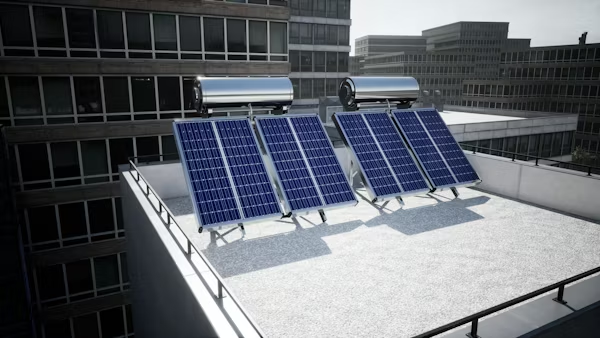
Solar Panels on Shipping Container refers to an existing idea of converting a steel container into a portable solar power station. This system utilizes solar panels in generating electricity, which is stored in the batteries and enables the use of electricity at any time, regardless of connection to the grid.
The key benefit of the product under analysis is its high mobility. The device is easy to transport and deploy in remote areas, after natural disasters, in the countryside, and industrial facilities located outside the grid network. By 2026, mobile solar containers will prove their efficiency due to the increased need for energy all around the globe.
According to the IEA, electricity consumption shows yearly increases, whereas power supply networks experience problems caused by blackouts, adverse weather, and the unstable situation with fuel.
Why mobile solar containers are gaining momentum in 2026
Growing electricity demand is one of the main reasons behind this shift. The International Energy Agency reports that global electricity consumption has been rising by more than 2.5 percent annually in recent years. That pressure is pushing industries toward more flexible and mobile energy systems.
How mobile solar containers work
A mobile solar container functions like a compact power station. Solar panels are mounted on the roof or designed to unfold beside the unit. Inside the container are lithium-ion batteries, inverters, and control systems.
Sunlight is converted into DC electricity by the panels. The inverter then changes it into usable AC power. Any excess energy is stored in batteries for nighttime use or cloudy conditions.
For example, a construction site in Dubai can operate tools and lighting using just one unit, without relying on a diesel generator.
Why adoption is accelerating in 2026
Energy flexibility has become essential. A mobile solar container can be deployed in a matter of hours, while traditional power infrastructure can take months or years.
Advances from companies like Tesla and Siemens in batteries and inverters have improved efficiency and reliability, making these systems more practical for real-world use.
Governments are also supporting renewable deployment. In 2025, the European Union expanded funding under its Green Deal to include off-grid and containerized solar solutions for remote areas.
What sets solar panels on shipping container systems apart
Mobility is the biggest advantage. These units can be transported by truck, ship, or rail, something fixed solar farms cannot do.
They are also designed as plug-and-play systems. Everything is pre-installed, which reduces setup time, labor costs, and technical complexity.
Durability is another key factor. Shipping containers are built for harsh environments, allowing them to withstand heat, dust, and heavy rain.
Key advantages at a glance
- Fully portable and easy to transport
- Rapid deployment with minimal setup
- Reduced dependence on diesel generators
- Lower long-term operating costs
- Strong, weather-resistant structure
Power generation capacity
Output depends on system size and configuration. Most mobile solar containers generate between 10 kW and 150 kW.
Smaller units can power clinics or offices, while larger setups can support mining operations or temporary industrial sites.
Battery storage allows energy to be used continuously for 8 to 24 hours, depending on design and demand.
Cost-effectiveness of mobile solar containers
While initial costs can be significant, long-term expenses are low. Unlike diesel generators, there is no fuel requirement and maintenance is minimal.
Over time, many users see major savings, especially in regions with high or unstable fuel prices. The financial advantage becomes more noticeable within a few years of operation.
Industries using mobile solar container systems
These systems are widely used across multiple sectors:
- Construction and remote infrastructure projects
- Mining operations in off-grid locations
- Disaster relief and emergency response
- Military and field operations
- Rural schools and healthcare facilities
- Outdoor events and temporary installations
During the COVID-19 pandemic, they were also used to power temporary medical units in several countries.
Deployment time
A mobile solar container can typically be operational within a single day. Once delivered, it is unfolded, connected, and begins generating power quickly.
This makes it especially useful in emergencies and rapid-response situations.
Scalability and system expansion
A single unit can power small facilities, but multiple containers can be linked together to form a microgrid. This allows larger industrial operations to scale energy production as needed.
FAQs
What is a mobile solar container?
It is a portable energy system built inside a shipping container, combining solar panels, batteries, and inverters.
How efficient are these systems?
Most modern systems achieve efficiency levels above 20 percent, depending on equipment and conditions.
Can they generate power at night?
Yes. Stored battery energy is used when sunlight is not available.
How long do they last?
Solar panels typically last around 25 years, while batteries last between 8 and 15 years.
Are they environmentally friendly?
Yes, they produce zero emissions during operation and reduce reliance on fossil fuels.
Do they require maintenance?
Minimal maintenance is needed, mainly cleaning panels and checking components.
Can they be expanded?
Yes, additional units can be added to increase capacity.
What is the cost range?
Most systems cost between $20,000 and $150,000, depending on size and features.
Are they suitable for rural areas?
Yes, they are especially useful in off-grid or underserved regions.
Do weather conditions affect performance?
Yes, but modern systems are designed to remain effective even in less-than-ideal conditions.
Conclusion
Solar panels on shipping container systems are reshaping how electricity is delivered in 2026. They address problems that traditional power systems struggle with, particularly speed, mobility, and independence.
Their flexibility is a major strength. A single unit can support different environments, from rural healthcare to industrial worksites. As battery technology continues to improve, their performance and reliability are expected to increase further.
They also change the economics of energy by reducing dependence on fuel supply chains and stabilizing long-term costs. This is especially important in regions facing frequent outages or rising fuel prices.
Overall, mobile solar containers are becoming a practical building block of decentralized energy systems, a trend already visible across multiple regions worldwide.
