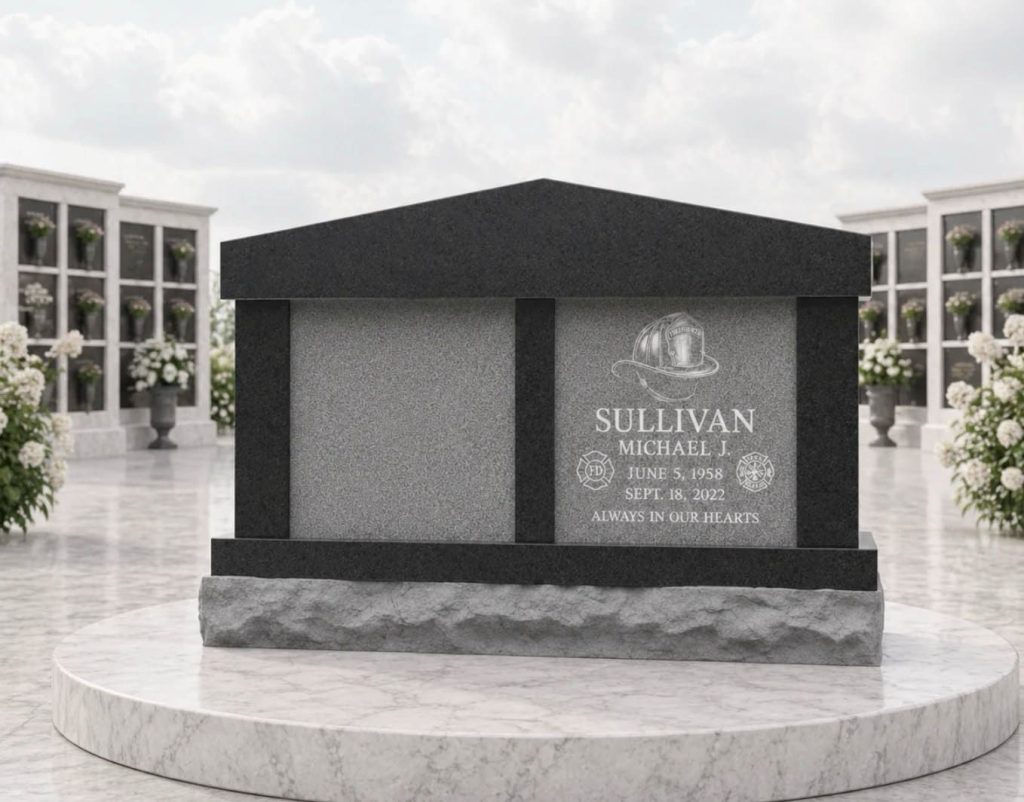
Memorial architecture has always been a profound reflection of how societies honor their departed. Across centuries, the ways we commemorate loved ones have evolved, deeply influenced by cultural shifts, spatial constraints, and shifting perspectives on mortality. In recent decades, an accelerating trend has emerged in the realm of memorialization: the rising preference for cremation paired with the elegant, space-efficient solution of columbariums. Among the various materials utilized for these structures, granite stands out as the undisputed standard for excellence. This article explores the growing popularity of granite columbariums, examining the historical context, the material advantages, and the architectural significance of these modern sanctuaries of remembrance.
The Historical Context of Memorialization
The concept of a columbarium is not a modern invention. The term itself is derived from the Latin word “columba,” meaning dove, as early Roman columbariums featured niches that closely resembled dovecotes. In ancient Rome, cremation was a standard practice, and these architectural structures provided a communal, respectful, and organized space to house the urns of the deceased. Over the centuries, however, shifting religious doctrines and cultural practices led to a decline in cremation in favor of traditional earth burials, which dominated Western memorialization for generations.
Today, the pendulum is swinging back. With growing global populations and rapidly shrinking urban spaces, sprawling traditional cemeteries are becoming unsustainable. Modern memorial architecture has revived the columbarium concept, elevating it from a simple necessity to an intricate art form. Families are no longer seeking merely a place of interment; they are looking for aesthetically pleasing, enduring monuments that offer a peaceful environment for mourning, reflection, and celebration of life.
Why Granite Remains the Ultimate Material
When designing a monument meant to last for eternity, the choice of material is of paramount importance. Granite has long been revered in memorial architecture for its unmatched durability and timeless beauty. Formed by the slow crystallization of magma below the Earth’s surface, granite is an exceptionally hard and resilient natural stone. It is highly resistant to weathering, scratching, and the degrading effects of environmental pollutants.
Here are the primary reasons why granite is the preferred material for modern memorial structures:
- Unparalleled Durability: Granite can withstand extreme temperature fluctuations, heavy rainfall, and harsh sunlight without losing its structural integrity or aesthetic appeal. It does not easily chip or erode.
- Aesthetic Versatility: Available in a wide array of natural colors—ranging from deep blacks and elegant grays to rich reds and vibrant blues—granite allows for highly customized and visually striking architectural designs.
- Low Maintenance: Unlike wood or softer stones that require frequent sealing or cleaning, granite surfaces, especially when polished, naturally repel dirt and moisture, making them incredibly easy to maintain over decades.
- Timeless Elegance: The natural veining and crystalline structure of granite provide a sense of permanence and dignity, which is essential for places of mourning and reflection.
The Space-Saving Solution for Urban Areas
One of the most pressing challenges in contemporary urban planning is land scarcity. Traditional cemeteries require vast expanses of land, which is becoming increasingly difficult to allocate in densely populated metropolitan regions. Columbariums offer an ingenious vertical solution to this spatial dilemma. By utilizing upward space rather than expansive ground plots, architects can house hundreds, if not thousands, of niches within a relatively compact footprint.
This is where specialized firms step in to bridge the gap between necessity and artistry. Companies like Memoria Columbaria are pioneering innovative designs that maximize spatial efficiency without compromising on the dignity or beauty of the memorial space. By integrating these structures into existing cemeteries, churchyards, or even standalone memorial gardens, communities can ensure that future generations will always have a physical place to visit and remember their ancestors, regardless of how crowded a city becomes.
Comparing Traditional Burials and Columbariums
To fully understand the shift in memorial preferences, it is helpful to contrast traditional burial methods with the modern granite columbarium approach. The table below outlines the key differences between these two options across several vital metrics, highlighting why modern society is gravitating toward architectural alternatives.
| Feature / Metric | Traditional Earth Burial | Modern Granite Columbarium |
| Space Requirement | High (Requires an individual plot of land) | Low (Vertical design maximizes density) |
| Environmental Impact | Moderate to High (Embalming fluids, land use) | Low (Less land disruption, natural stone) |
| Maintenance Needs | High (Lawn care, monument leveling over time) | Minimal (Granite is highly weather-resistant) |
| Average Cost | High (Casket, vault, plot, headstone, labor) | Lower (Niche space, urn, engraving) |
| Longevity | Susceptible to ground shifting and erosion | Extremely stable, designed to last centuries |
Designing a Place of Peace and Reflection
Memorial architecture is not merely about functionality; it is fundamentally about psychology and emotional resonance. The design of a columbarium must carefully balance the solemnity of death with the comforting embrace of memory. Architects pay close attention to spatial flow, natural lighting, and landscaping to create serene environments where grieving families can find solace. It is a delicate balance of scale, proportion, and texture.
Key design elements often incorporated into modern memorial sites include:
- Integrated Landscaping: Incorporating water features, native flora, and shaded seating areas to soften the stone architecture and promote a sense of tranquility.
- Thoughtful Lighting: Utilizing natural sunlight during the day and subtle, warm artificial lighting at night to create a welcoming and safe atmosphere for visitors.
- Personalized Niches: Offering various sizes and customizable granite faceplates that allow families to add unique engravings, photographs, or bronze emblems to tell a personal story.
- Accessible Layouts: Ensuring that pathways are wide, flat, and easily navigable for visitors of all ages and mobility levels, ensuring everyone can pay their respects.
The Future of Memorial Architecture
As we look toward the future, the intersection of architecture, nature, and technology will continue to shape how we memorialize the departed. We are beginning to see the integration of digital elements, such as QR codes etched directly into granite faceplates, allowing visitors to access online memorials, videos, and biographies of the deceased right from their smartphones. Furthermore, the emphasis on eco-friendly practices will only strengthen the appeal of sustainable memorialization.
As industry leaders continue to innovate, Memoria Columbaria remains at the forefront, crafting beautiful, enduring structures that honor the past while embracing the needs of the future. The evolution of these structures proves that while our methods of interment may change, the human need to remember and be remembered remains a constant driving force in architectural design.
A Lasting Tribute
The growing popularity of granite columbariums is a testament to society’s evolving approach to life, death, and remembrance. By combining the ancient concept of communal resting places with the unparalleled strength of natural granite, modern memorial architecture provides a sustainable, elegant, and dignified solution for honoring our loved ones.
As land becomes scarcer and preferences shift rapidly toward cremation, the granite columbarium stands as a timeless beacon of memory. It serves not just as a final resting place, but as a permanent, beautiful space where the legacy of the departed can be cherished, celebrated, and preserved for generations to come. The intersection of architectural brilliance and resilient natural stone ensures that these memorials will stand the test of time, offering comfort to families today and serving as historical landmarks for tomorrow.
