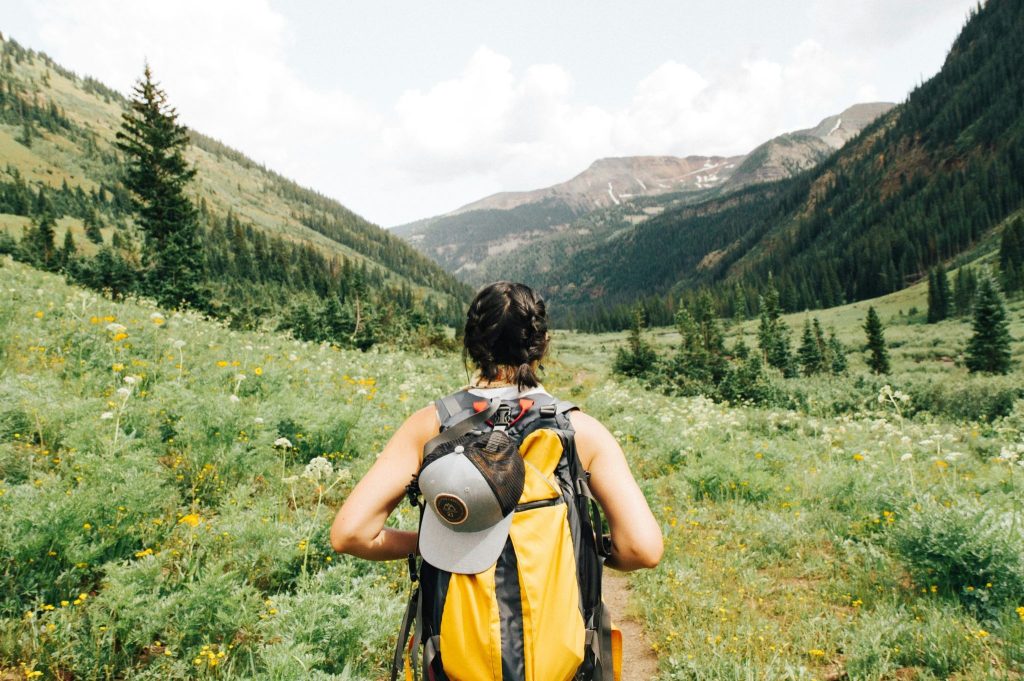
Summertime is a perfect time for a hike since it provides a great opportunity for enjoyment, appreciation of nature, and self-exploration. Extended hours of daylight, as well as convenient trails, allow both amateurs and professional hikers to fully appreciate summertime hiking. At the same time, proper planning can make the hiking experience more enjoyable. The following advice will be helpful when planning the hike.
Choose the Right Trail for Your Skill Level
Trail selection will lay the foundation for the whole adventure. Novice trekkers should opt for well-indicated trails with minimal elevation gain, whereas experienced trekkers may choose more challenging terrain. It is essential to know all the details about the route in advance – from its conditions, weather, to accessibility. There are a number of online sources which can help you learn about different aspects of various routes. It will help you to have an enjoyable time without having to push yourself too much.
Check Weather Conditions and Plan Accordingly
The summer season is characterised by unexpected weather changes, such as unexpected rains or extremely high temperatures, which could pose a threat to one’s health. It is recommended that hikers check their weather forecast one day before setting out and the morning of their planned hike. Starting at an early hour prevents hikers from facing extreme heat, whereas appropriate clothing ensures protection from the changing temperatures. Wearing light and moisture-absorbent clothes guarantees coolness, whereas using waterproof clothes prevents rain. Adequate hydration is essential; therefore, one should have extra water during hikes.
Pack Smart: Essential Tools and Gadgets
Pack smartly to ensure you have a great hiking trip. Make sure you pack equipment that is versatile and does more than one job. It’s important to carry navigation aids like a map, compass, or GPS receiver, even when you know your way around the trail. A first aid kit, sunscreen, insect repellent, and extra snacks should always be included. Many hikers also invest in versatile OTF knives that handle tasks like cutting rope, preparing food, or managing small repairs. Keep your backpack organised so you can access important items quickly. Thoughtful packing reduces unnecessary weight while ensuring you’re ready for unexpected situations.
Prioritise Safety and Navigation
Safety will always be your primary concern. Make sure that people know where you plan to hike, what path you will be taking, and when you expect to get back. Follow well-established paths to prevent yourself from becoming lost, and stay alert. It is quite possible to encounter wildlife during the summer months, so make sure you know how to handle this kind of situation, depending on your area. A signalling device, like a whistle, is a great hiking gadget in case help is needed. Navigation skills are just as important as physical endurance, so familiarise yourself with basic route-finding techniques before heading out.
Respect Nature and Practice Leave No Trace
Conservation of the natural environment guarantees that hikers in the future will still appreciate the same beauty. Practice the Leave No Trace guidelines by taking away all garbage, staying on designated trails, and reducing the damage you may cause. Do not collect plants or interfere with wildlife. Ensure campsites are even cleaner than when you arrived. Hiking responsibly not only conserves nature but also helps build a closer relationship with it.
In summary, creating the perfect summer hiking experience does not just occur; rather, it requires planning and consideration of numerous factors. Choosing the appropriate trail, being prepared for possible weather conditions, taking appropriate equipment, practising safety first, and respecting nature are some considerations to make. These guidelines will be helpful no matter where you go on your hike.
