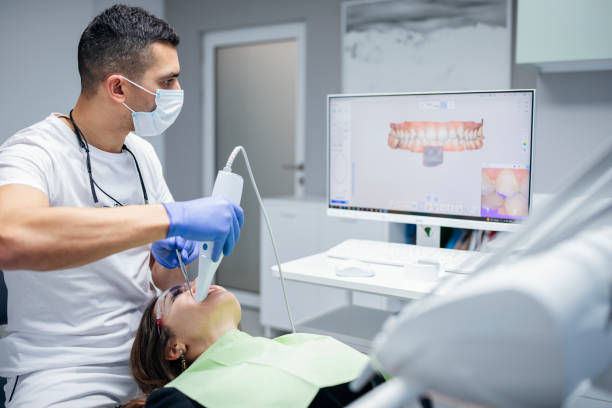
Dentistry has evolved significantly with the integration of modern visualization tools and advanced teaching methods. Dental professionals today rely on precise anatomical references to understand oral structures, explain procedures, and plan treatments. Among these tools, 3D tooth models have become essential for both education and clinical use. They help students grasp complex structures and allow practitioners to communicate more effectively with patients.
To support learning and treatment planning, professionals often use a detailed tooth model 3d that visually represents tooth anatomy, surrounding gums, and internal structures. These models provide a realistic understanding of dental morphology, making them valuable in classrooms, clinics, and laboratories.
As dentistry continues to advance, the demand for accurate, interactive, and durable models has increased. From dental schools to private practices, 3D models are improving how professionals teach, diagnose, and plan treatments.
Understanding 3D Tooth Models
A 3D tooth model is a physical or digital representation of teeth and surrounding oral anatomy. These models replicate the shape, structure, and positioning of teeth in a highly detailed format. They are designed to demonstrate both external features and internal components such as roots, pulp chambers, and periodontal structures.
Unlike traditional flat diagrams, 3D models allow users to view dental anatomy from multiple angles. This interactive capability makes them more effective for education and clinical demonstrations. Dental professionals can rotate, separate, and analyze parts of the model to better understand complex structures.
Key Components Typically Shown in 3D Tooth Models
- Crown and enamel layer
- Dentin and pulp chamber
- Root structure and canals
- Gingival tissues
- Periodontal ligament
- Bone support structures
- Occlusal surfaces and contact points
These details make 3D models particularly useful in both academic and professional environments.
Importance in Dental Education
Dental education requires students to develop a strong understanding of oral anatomy. Traditional textbooks and 2D illustrations often fail to fully convey spatial relationships between teeth and surrounding tissues. 3D tooth models bridge this gap by offering hands-on learning experiences.
Students can physically examine tooth shapes, root curvature, and alignment. This helps them better understand variations between different types of teeth such as incisors, canines, premolars, and molars.
Benefits for Dental Students
- Improves understanding of tooth morphology
- Enhances memory retention through visual learning
- Supports preclinical training exercises
- Helps practice dental procedures safely
- Builds confidence before working on real patients
- Encourages interactive classroom learning
Hands-on learning significantly improves comprehension, especially in subjects requiring spatial awareness.
Role in Patient Communication
One of the biggest challenges in dentistry is explaining procedures to patients. Many patients find it difficult to understand technical terminology or visualize what is happening inside their mouth. 3D tooth models simplify this process.
Dentists can use models to demonstrate conditions such as cavities, gum disease, or misalignment. This visual explanation improves patient understanding and helps them make informed decisions about treatment.
How 3D Models Improve Patient Understanding
- Show location of dental problems clearly
- Demonstrate treatment procedures step-by-step
- Explain orthodontic movement visually
- Illustrate implant placement positions
- Compare healthy vs. affected teeth
- Reduce patient anxiety through clarity
When patients understand their condition, they are more likely to follow treatment recommendations.
Applications in Treatment Planning
Accurate treatment planning is critical for successful dental outcomes. 3D tooth models assist dentists in analyzing tooth positioning, bite relationships, and structural alignment. These models are especially useful for complex cases involving multiple procedures.
Orthodontists use models to plan tooth movement, while prosthodontists rely on them for crown and bridge placement. Oral surgeons also use them to visualize extraction paths and implant positioning.
Common Clinical Applications
- Orthodontic case planning
- Dental implant positioning
- Crown and bridge preparation
- Root canal procedure visualization
- Extraction planning
- Periodontal treatment explanation
- Occlusion and bite analysis
These applications highlight the versatility of 3D dental models across specialties.
Types of 3D Tooth Models
There are various types of 3D tooth models designed for different purposes. Some focus on individual teeth, while others represent full dental arches. The selection depends on the intended use.
1. Individual Tooth Models
These models highlight one specific tooth in detail. They are useful for studying anatomy and practicing procedures like cavity preparation.
2. Full Mouth Models
These display complete upper and lower arches. They help in understanding occlusion, alignment, and orthodontic planning.
3. Sectional Models
Sectional models show cross-sectional views of teeth and gums. These are ideal for explaining root canals and internal structures.
4. Transparent Models
Transparent designs reveal internal anatomy such as pulp chambers and canals. These are widely used in teaching environments.
5. Pathology Demonstration Models
These models show dental diseases such as decay, fractures, and periodontal issues for educational purposes.
Each type serves a unique role in dental learning and patient care.
Advantages Over Traditional Learning Methods
Traditional dental teaching relied heavily on printed charts and verbal explanations. While useful, these methods often lack depth and interactivity. 3D models offer a more comprehensive approach.
Major Advantages
- Realistic anatomical accuracy
- Better depth perception
- Interactive learning experience
- Durable and reusable
- Suitable for demonstrations
- Helps simulate clinical scenarios
- Supports collaborative learning
These advantages make 3D models a preferred tool in modern dental education.
Use in Dental Laboratories
Dental laboratories also benefit from 3D tooth models. Technicians use them to design prosthetics, crowns, and dentures. Accurate models ensure proper fit and alignment before fabrication.
Laboratory technicians can evaluate spacing, contour, and occlusion using these models. This reduces errors and improves final outcomes.
Laboratory Uses
- Crown fabrication planning
- Denture design visualization
- Bridge alignment assessment
- Occlusion testing
- Implant-supported prosthetics planning
These applications enhance accuracy and efficiency in dental labs.
Integration with Digital Dentistry
Digital dentistry has introduced technologies such as intraoral scanners and CAD/CAM systems. 3D tooth models complement these advancements by providing physical references for digital designs.
Dentists can compare digital scans with physical models to ensure accuracy. This combination improves workflow and treatment precision.
Digital Integration Benefits
- Supports CAD/CAM restorations
- Helps verify digital impressions
- Improves treatment simulation
- Enhances interdisciplinary communication
- Reduces treatment errors
The combination of digital and physical tools strengthens modern dental practice.
Choosing the Right 3D Tooth Model
Selecting the appropriate model depends on intended use. Educational institutions may require full mouth models, while clinics may prefer demonstration models.
Factors to Consider
- Level of anatomical detail
- Material durability
- Size and portability
- Educational vs clinical use
- Transparency features
- Removable components
- Ease of cleaning and maintenance
Careful selection ensures the model meets professional needs.
Maintenance and Handling
Proper care extends the lifespan of dental models. Since these tools are frequently used, maintaining cleanliness and structural integrity is important.
Maintenance Tips
- Clean with mild disinfectant
- Avoid harsh chemicals
- Store in protective cases
- Handle removable parts carefully
- Keep away from heat sources
- Inspect regularly for damage
These simple steps help preserve model accuracy.
Future of 3D Dental Models
The future of dental education and treatment planning will continue to rely on advanced visualization. New materials and manufacturing techniques are making models more realistic and interactive.
3D printing technology allows customization for individual patient cases. Dentists can create patient-specific models for surgical planning and orthodontic simulation. This level of personalization improves outcomes and enhances communication.
Additionally, augmented reality and virtual simulation may integrate with physical models. This hybrid approach will further enhance dental education and clinical planning.
Conclusion
3D tooth models have transformed dental education, patient communication, and clinical planning. Their ability to represent complex anatomy in a clear and interactive format makes them invaluable for students and professionals alike. These models improve understanding, enhance treatment accuracy, and support better patient outcomes.
Modern dental practices and training institutions continue to rely on resources like a detailed tooth model 3d to demonstrate anatomy, explain procedures, and plan treatments effectively. As dentistry advances, these models will remain essential tools for improving education, communication, and clinical success.
FAQs
1. What is a 3D tooth model used for?
A 3D tooth model is used to demonstrate dental anatomy, explain procedures, and assist in treatment planning. It allows students and patients to visualize tooth structure, root positioning, and gum relationships. Dentists also use these models for orthodontic planning, implant placement, and educational demonstrations in clinical and academic settings.
2. Are 3D tooth models useful for dental students?
Yes, 3D tooth models are extremely useful for dental students. They provide hands-on learning and improve understanding of tooth morphology. Students can examine crown shapes, root structures, and occlusion patterns. This interactive approach enhances memory retention and prepares students for clinical practice before working on real patients.
3. How do dentists use 3D models for patient education?
Dentists use 3D models to visually explain dental problems and treatment options. They can show cavities, gum disease, or tooth alignment issues. This helps patients understand procedures like implants, root canals, or orthodontics. Visual explanations reduce confusion and help patients make informed decisions about their treatment.
4. What materials are 3D tooth models made from?
3D tooth models are typically made from durable plastic, resin, or polymer materials. Some models include transparent components to display internal anatomy. High-quality materials ensure long-term use in classrooms and clinics. These materials are also easy to clean, lightweight, and designed for repeated handling during demonstrations.
5. Can 3D tooth models be used for treatment planning?
Yes, 3D tooth models are commonly used for treatment planning. Dentists analyze tooth alignment, spacing, and bite relationships using these models. They are particularly helpful for orthodontics, implant placement, and restorative dentistry. Accurate visualization improves precision and helps professionals plan procedures more effectively.
