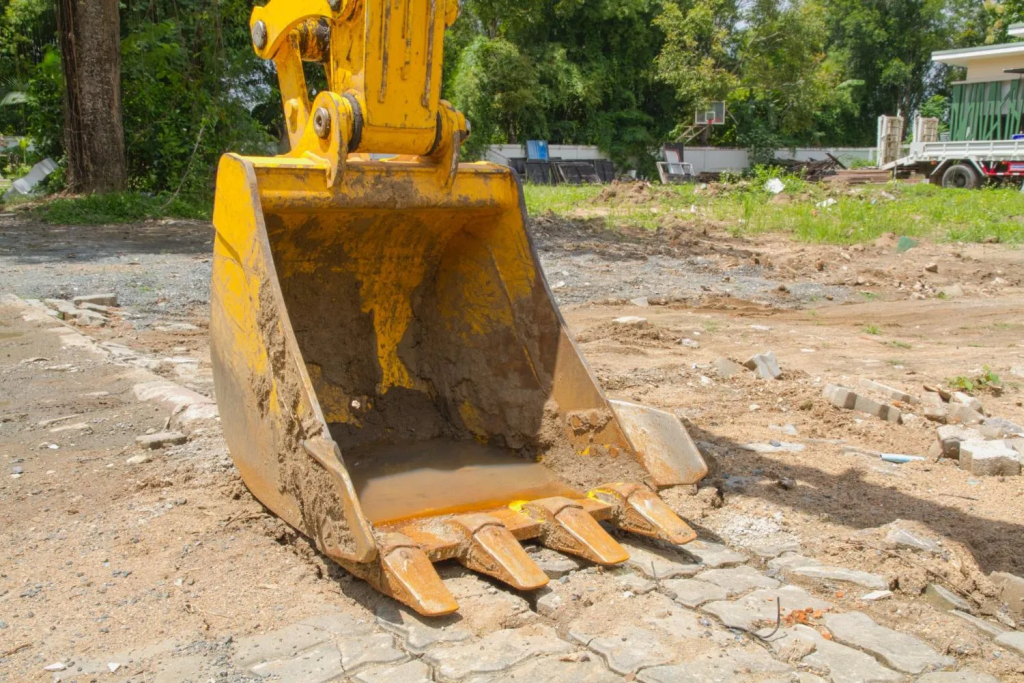
Home renovations are exciting — a chance to upgrade your space, improve functionality, and increase property value. But alongside the transformation comes a risk many homeowners overlook: unintentional property damage.
From cracked driveways to ruined landscaping, renovation projects often involve heavy equipment, materials, and constant movement. The good news is that with a bit of planning and awareness, most of this damage is completely preventable.
Understand where damage usually happens
Before any renovation begins, it’s important to identify the parts of your property that are most at risk. Damage doesn’t usually happen randomly — it tends to occur in areas exposed to repeated movement, heavy weight, or ongoing activity.
Common high-risk areas include driveways and walkways, lawns and garden beds, patios and decks, underground systems, and entry points and pathways.
If your project involves large equipment, certain spots become even more vulnerable. Areas where machinery is stationed, especially where stabilizers are placed, can experience intense pressure. Without proper support, this can lead to cracked concrete, sinking ground, or damaged paving.
This is why contractors often use protective measures like outrigger pads to spread weight more evenly and reduce stress on surfaces. Understanding where damage is most likely to occur allows you to plan ahead and put the right protections in place before work even begins.
Plan access routes carefully
One of the simplest, and most overlooked, ways to prevent property damage during renovations is to plan how people and equipment will move around your space.
Without clear direction, workers naturally take the most convenient path, which can lead to unnecessary wear on driveways, lawns, and entryways.
Instead, take time to map out specific access routes before work begins.
Start by designating clear pathways for workers to follow, You can also choose one main entry and exit point to limit traffic across your property. Yet another good idea is to keep movement away from fragile areas like garden beds or decorative features.
If heavy equipment is involved, planning becomes even more important. Large machines require stable, open areas to operate safely. Identifying where they will enter, move, and be positioned helps prevent last-minute decisions that can cause damage.
A little planning upfront can save significant time, money, and frustration later — turning a potentially chaotic process into a much more organized and controlled renovation.
Cover and shield key surfaces
Renovations bring dust, debris, and the occasional accident, so protecting key surfaces early can prevent costly damage.
That’s why you should focus on areas most exposed to impact or heavy use. Those areas might include driveways and patios, decks and outdoor areas, indoor floors and entryways, and windows, doors, and furniture.
Simple solutions like tarps, plastic sheeting, or plywood can make a big difference. For areas exposed to heavy equipment, stronger protection may be needed. When machinery is involved, contractors often use outrigger pads to spread weight evenly and prevent pressure damage to surfaces.
Taking these steps early helps minimize repairs and makes cleanup much easier once the project is finished.
Communicate with your contractors
Clear communication is key to preventing property damage during renovations. Before work begins, discuss how your contractors plan to protect your home and outdoor areas.
Make sure to ask about surface protection and equipment placement. Also, point out vulnerable areas like gardens, driveways, or utilities. And finally, confirm cleanup and repair responsibilities.
If heavy equipment will be used, check that proper precautions, such as ground protection, is in place. A quick conversation upfront can prevent misunderstandings and save you from costly repairs later.
Monitor the project as it progresses
Even with a solid plan, it’s important to keep an eye on the renovation as it unfolds. Regular check-ins help you catch small issues before they turn into costly damage.
Look out for cracks or sinking in driveways and walkways, damage to lawns or garden areas, as well as equipment placed on unprotected surfaces.
Staying involved doesn’t mean micromanaging; it simply ensures your property stays protected throughout the project. On top of that, addressing small issues quickly prevents them from becoming expensive repairs.
Think ahead to cleanup and restoration
After the renovation is complete, some level of cleanup and restoration is usually needed. Planning for this stage ensures your property returns to its best condition.
This might include reseeding grass or repairing garden beds, power washing driveways or patios, fixing minor cracks or surface wear, and reorganizing outdoor spaces.
A little post-project care goes a long way in restoring your home’s overall appearance.
Protect now, save later
Renovations are temporary, but property damage can leave lasting effects if not managed properly. By planning ahead, protecting key areas, and ensuring the right tools, like outrigger pads, are used, you can avoid unnecessary stress and costs.
At the end of the day, a successful renovation isn’t just about what you build — it’s also about what you protect along the way.
