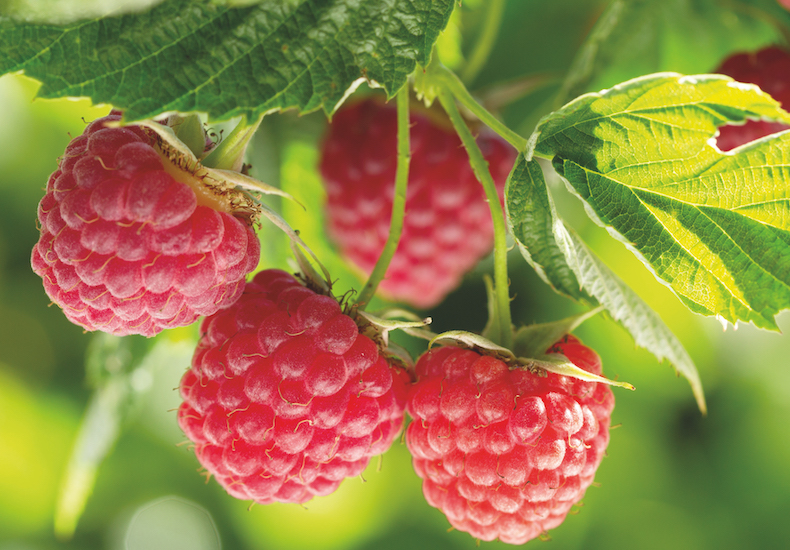
Nothing beats the satisfaction of picking fresh, juicy raspberries from your own garden. These vibrant berries are not only delicious but also surprisingly easy to grow with the right care. Whether you’re a seasoned gardener or a beginner, cultivating raspberry plants can be a rewarding experience that yields bountiful harvests. This article shares essential tips for growing healthy raspberry plants, ensuring your garden bursts with sweet, flavorful berries season after season.
Why Grow Raspberries?
Raspberries are a versatile and nutritious addition to any garden. Packed with vitamins, antioxidants, and fiber, they’re perfect for snacking, baking, or adding to smoothies. Growing your own raspberries allows you to enjoy fresh, pesticide-free fruit while saving money compared to store-bought options. Plus, strawberry plants sants are hardy and productive, making them an excellent choice for gardeners looking to maximize their harvest with minimal effort.
Choosing the Right Raspberry Variety
Before planting, select a raspberry variety suited to your climate and preferences. There are two main types: summer-bearing, which produce one large crop in early summer, and everbearing (or fall-bearing), which yield smaller crops in summer and fall. Popular varieties include:
- Heritage: An everbearing type with sweet, red berries, ideal for beginners.
- Tulameen: A summer-bearing variety known for large, flavorful fruit.
- Autumn Bliss: A fall-bearing option with juicy, dark red berries.
Check with local nurseries or extension services to find varieties that thrive in your region’s climate and soil conditions.
Selecting the Perfect Planting Site
Raspberries thrive in a sunny, well-drained location. Choose a spot that receives at least six hours of direct sunlight daily, as sunlight boosts fruit production. Avoid low-lying areas where water pools, as raspberries dislike soggy roots. A slightly acidic soil (pH 5.5–6.5) is ideal—test your soil and amend it with compost or sulfur if needed to adjust the pH. Ensure good air circulation to prevent fungal diseases, but avoid overly windy spots that can damage canes.
Preparing the Soil
Healthy soil is the foundation of a thriving raspberry patch. Before planting, enrich the soil with organic matter like compost or well-rotted manure to improve fertility and drainage. Work the soil to a depth of about 12 inches, removing weeds, rocks, or debris. Adding a layer of mulch, such as straw or wood chips, after planting helps retain moisture, suppress weeds, and regulate soil temperature.
Planting Raspberry Canes
The best time to plant raspberries is in early spring or late fall when the plants are dormant. Follow these steps for successful planting:
- Purchase Healthy Canes: Buy disease-free canes from a reputable nursery. Look for sturdy, well-rooted plants.
- Space Properly: Plant canes 2–3 feet apart in rows, with 6–8 feet between rows to allow for growth and easy access.
- Dig the Right Depth: Create a hole or trench deep enough to accommodate the roots, typically 4–6 inches deep. Spread the roots out and cover with soil, ensuring the crown sits just above the soil line.
- Water Thoroughly: Water deeply after planting to settle the soil and encourage root establishment.
Supporting Your Raspberry Plants
Raspberry canes need support to stay upright and produce healthy fruit. Install a trellis, fence, or wire system to keep canes off the ground and improve air circulation. A simple T-shaped trellis with wires at 2 and 4 feet high works well. Tie the canes loosely to the support using soft twine or plant ties, allowing room for growth. Proper support reduces disease risk and makes harvesting easier.
Watering and Feeding
Consistent moisture is key to juicy raspberries. Water plants deeply once or twice a week, providing about 1–2 inches of water, especially during dry spells or fruiting periods. Avoid overwatering, as soggy soil can lead to root rot. Mulching helps retain moisture and reduces watering needs.
Fertilize raspberries in early spring with a balanced fertilizer (e.g., 10-10-10) or compost to promote growth. Avoid over-fertilizing, as too much nitrogen can lead to excessive foliage at the expense of fruit. A second light feeding after the first harvest can support everbearing varieties.
Pruning for Productivity
Pruning is essential for healthy raspberry plants and bountiful harvests. The approach depends on the variety:
- Summer-Bearing Raspberries: In late winter or early spring, remove all weak or damaged canes. Cut back the remaining canes to 4–5 feet and thin them to 4–6 strong canes per foot of row.
- Everbearing Raspberries: For two crops, prune only the top portions of canes that fruited in fall. For a single, larger fall crop, cut all canes to the ground in late winter.
Always remove dead or diseased canes and clear debris to prevent pests and diseases.
Managing Pests and Diseases
Raspberries are relatively hardy but can face issues like aphids, spider mites, or fungal diseases such as powdery mildew. Monitor plants regularly and take these steps:
- Pests: Use insecticidal soap or neem oil for aphids or mites. Encourage natural predators like ladybugs.
- Diseases: Ensure good air circulation and avoid overhead watering to prevent fungal issues. Remove and destroy affected canes immediately.
- Weeds: Keep the area weed-free to reduce competition for nutrients and water.
Harvesting Your Raspberries
Raspberries are ready to pick when they’re fully colored, plump, and easily detach from the plant. Harvest every 2–3 days during peak season, ideally in the morning when berries are cool. Gently twist the fruit to avoid crushing it. Fresh raspberries last a few days in the fridge, or you can freeze them for long-term storage.
Winter Care for Long-Term Success
Prepare your raspberry plants for winter to ensure they return strong each spring. After the growing season, remove spent canes (for summer-bearing varieties) and mulch heavily around the base with straw or leaves to protect roots from freezing temperatures. In colder climates, consider covering young plants with burlap for extra insulation.
Maximizing Your Harvest
To boost your raspberry yield, maintain consistent care throughout the season. Regular watering, proper pruning, and timely fertilization encourage vigorous growth and larger berries. Companion planting with pollinator-friendly flowers, like marigolds or lavender, can attract bees and improve fruit set. Rotate planting sites every 7–10 years to prevent soil-borne diseases and maintain productivity.
Conclusion
Growing juicy raspberry plants is a delightful way to bring fresh, homegrown fruit to your table. With the right variety, a sunny site, and proper care, you can enjoy abundant harvests for years to come. From planting and pruning to watering and pest management, these tips will help you cultivate thriving raspberry plants that reward you with sweet, vibrant berries. Start your raspberry garden today and savor the fruits of your labor with every delicious bite.

