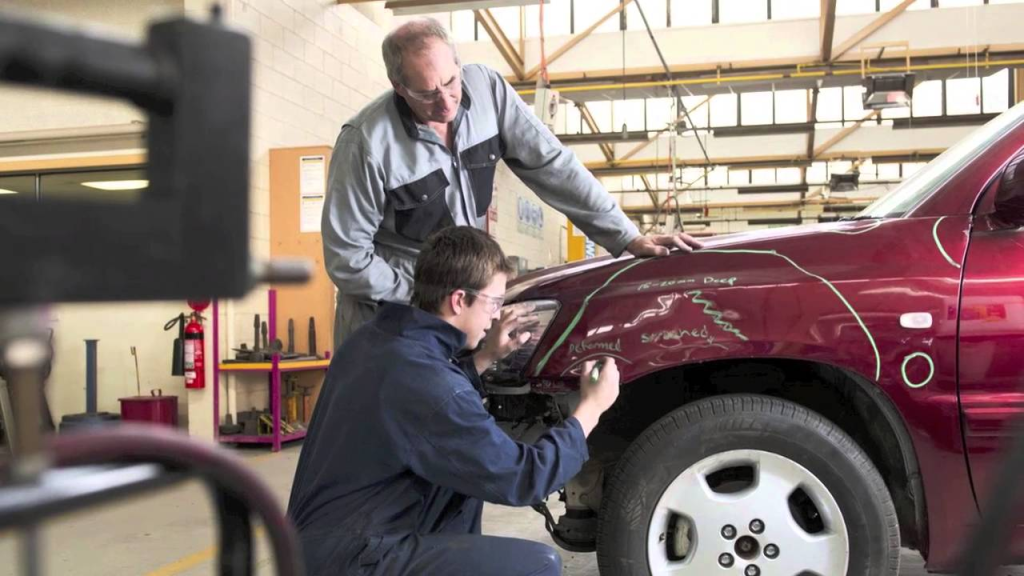
Minor car damage is something most drivers will deal with at some point. A small dent in a car park, a scuff from a tight street, or a scratch from a passing cyclist are all common problems. For a long time, the only option was to book the car into a traditional body shop, leave it for several days, and pay a large bill. That process is now changing.
What Are Mobile Car Body Repairs?
Mobile car body repairs involve a trained technician coming directly to the driver’s home, workplace, or any other location to carry out the repair on the spot. Rather than the driver taking the car somewhere, the service comes to them. This kind of service covers a wide range of common damage types, including dents, scratches, scuffs, bumper damage, and stone chips.
The tools and materials used by mobile technicians have improved significantly in recent years. Many repairs that once required specialist equipment found only in large workshops can now be done with portable kits. Paint matching technology, for example, has become accurate enough to blend repairs seamlessly with the original colour of the car.
Why Are More Drivers Choosing This Option?
One of the main reasons drivers are moving towards mobile car body repairs is the convenience. There is no need to arrange alternative transport while the car is being fixed. There is no waiting around at a workshop or making two trips across town. The repair takes place wherever the driver already is, and most jobs are completed within a few hours.
Cost is another important factor. Traditional body shops have high running costs, which are often passed on to customers. Mobile services tend to have lower overheads, which means the price of the repair is usually much lower. For minor damage that does not affect the safety or performance of the car, many drivers find it hard to justify the larger expense of a traditional repair.
What Types of Damage Can Be Fixed?
Mobile repairs are best suited to smaller areas of damage. Common jobs include:
- Bumper scuffs and cracks
- Small dents caused by car park incidents
- Surface scratches and key marks
- Stone chips on bonnets and doors
- Paint fading or localised paint damage
More serious structural damage, or damage that affects the safety of the vehicle, is generally beyond the scope of a mobile repair. In those cases, a traditional workshop will still be the right choice. However, for the everyday minor damage that most cars pick up over time, a mobile repair is often a practical and affordable solution.
How Does Paint Matching Work?
One concern many drivers have is whether the repaired area will look different from the rest of the car. Modern paint matching systems use the car’s manufacturer colour code, usually found on a plate inside the vehicle, to mix paint that matches the original as closely as possible. Skilled technicians apply the paint in layers and blend it carefully into the surrounding area.
The result, when done well, is a repair that is very difficult to tell apart from the original paintwork. This is one of the reasons why demand for mobile car body repairs has grown. Drivers can get a professional-looking finish without the cost and disruption of a traditional body shop visit.
Is It Worth It for Small Repairs?
For many drivers, the answer is yes. Small areas of damage can affect the value of a car when it comes to selling or part-exchanging it. Leaving scratches or dents untreated can also allow rust to develop over time, leading to more serious and expensive problems later on.
Getting minor damage repaired promptly, at a reasonable cost and without major disruption, makes practical sense. The growth in mobile repair services reflects a clear shift in what drivers want: fast, affordable solutions that fit around their schedule rather than the other way around.

