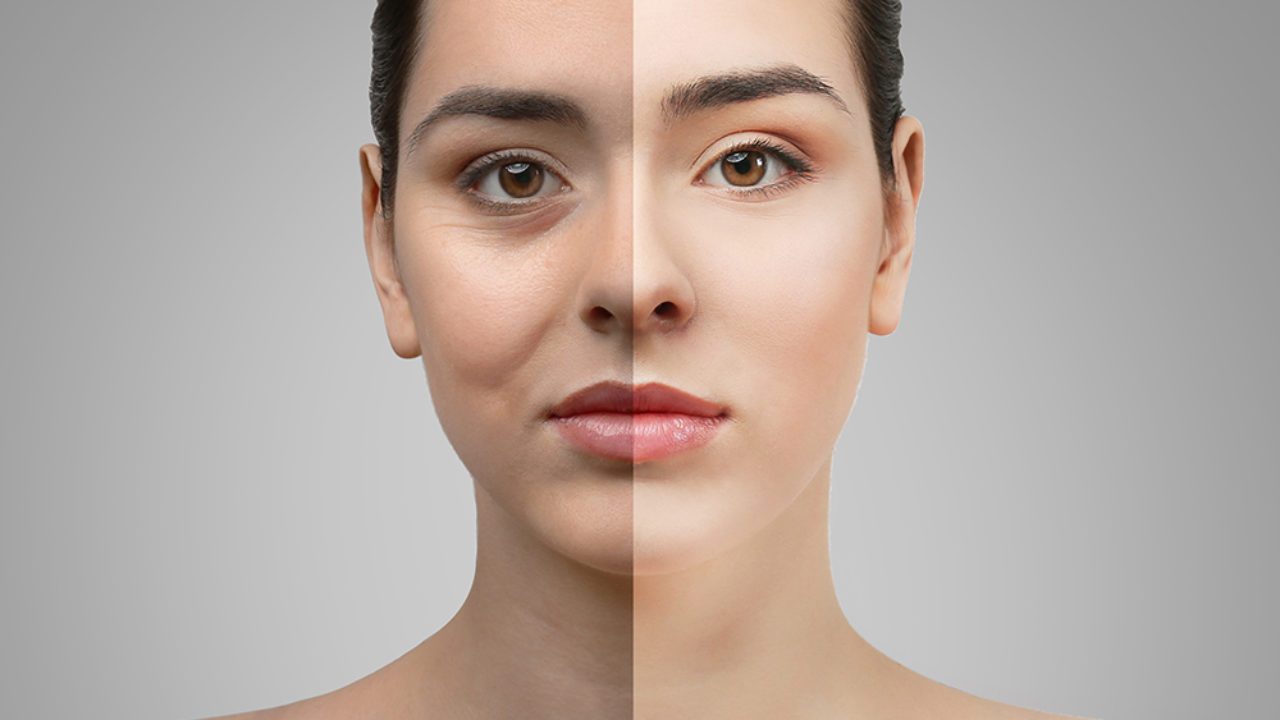
Eyelid surgery is medically known as blepharoplasty, a procedure that improves the appearance or function of the eyelids. Many people ask what eyelid surgery is called when researching treatments for drooping skin, puffiness, or bags under the eyes.
The surgery removes or adjusts extra skin, fat, or muscle around the eyes to create a smoother and more open look.
Doctors may perform it for cosmetic reasons or to improve vision when sagging skin blocks sight. The procedure can involve the upper eyelids, lower eyelids, or both depending on the patient’s needs.
Key Takeaways
- Eyelid surgery is medically called blepharoplasty, a surgical procedure used to improve the look or function of the upper and lower eyelids. It removes or adjusts excess skin, fat, or muscle around the eyes.
- The procedure can treat concerns such as drooping upper lids, eye bags, and loose skin that affects vision or appearance. Many patients seek it as both a cosmetic improvement and an operation to lift eyelids that restores a more alert look.
- Surgeons may perform upper blepharoplasty, lower blepharoplasty, or both depending on the patient’s needs. Lower eyelid surgery is often used for eye bag surgery to reduce puffiness and smooth the under eye area.
- Recovery usually involves mild swelling and bruising for several days, with most people returning to normal activities within about a week. Choosing an experienced specialist helps ensure safe results and a natural appearance.
Understanding Eyelid Surgery and Its Medical Name
The medical term used when discussing what eyelid surgery is called is eyelid blepharoplasty. It is a surgical procedure that improves the eyelid area by removing extra skin or fat. The surgery can treat the upper lids, lower lids, or both.
Blepharoplasty surgery is often done by a board certified specialist who works with facial surgery. This may be a plastic surgeon or an oculoplastic surgeon trained in eye area procedures. Their goal is to improve the eyelids while keeping a natural look.
Why People Choose Blepharoplasty
The skin around the eyes is thin and often shows aging first. Over time, the upper lids may droop and the lower eyelids may develop bags under the eyes. These changes can make a person look tired.
People often choose this cosmetic procedure for several reasons:
- Extra skin on the upper lids that blocks vision
- Visible bags under the eyes that stay all day
- Loose skin that hides the natural eyelid crease
- A desire for a brighter and more alert look
Some patients combine eyelid surgery with treatments like a brow lift or laser resurfacing. This can improve the overall look of the upper face.
Types of Blepharoplasty Procedures
Eyelid surgery can focus on the upper eyelids, the lower eyelids, or both. Each option treats a different concern around the eye area.
Upper Eyelid Surgery
Upper blepharoplasty removes loose skin from the upper lids. The surgeon places the cut along the natural eyelid crease so scars stay hidden.
This method is also known as blepharoplasty of the upper eyelid. It can remove fat and tighten tissue to restore a smooth eyelid shape.
Lower Eyelid Surgery
Lower blepharoplasty treats puffiness and bags under the eyes. The surgeon removes or moves fat that causes swelling in this area.
The incision may sit below the lashes or inside the eyelid. This helps reduce visible scars while correcting under eye puffiness.
Combined Upper and Lower Procedures
Some patients choose surgery on both the upper and lower eyelids at the same time. Treating the upper and lower eyelids together can create balanced results.
What Happens During the Procedure
Before surgery, the doctor reviews the patient’s health and goals. The surgeon checks the eyelid skin, muscle strength, and eye health.
During the blepharoplasty procedure, the surgeon uses anesthesia to keep the patient comfortable.
Common anesthesia options include:
- Local anesthesia with light sedation
- General anesthesia for more complex cases
- Care from a trained surgical team
The surgical procedure usually takes one to two hours. After removing extra tissue, the surgeon closes the incisions carefully to help healing.
Recovery and Healing Expectations
Most patients return home on the same day as surgery. Mild swelling and bruising around the eyes are common in the first week.
Typical recovery symptoms include:
- Swelling and bruising around the eyelids
- Light sensitivity or mild dry eyes
- Tight feeling near the incision area
Cold compresses and rest can help during early healing. Many patients return to daily activities within about one week.
People who research Dr. Kopelman’s Blepharoplasty in Manhattan often focus on surgeon experience and recovery support. Choosing a specialist who understands eyelid anatomy helps improve safety and results.
Who Is a Good Candidate for Eyelid Surgery
Healthy adults with clear goals are often good candidates for eyelid blepharoplasty. Doctors review medical history and eye health before surgery.
Common candidates include:
- Adults with drooping upper lids affecting vision
- People with lasting bags under the eyes
- Patients seeking mild facial rejuvenation
- Individuals with healthy eyes and stable vision
A consultation with a board certified surgeon helps determine the best treatment plan.
Important Considerations Before Surgery
Patients should understand both the benefits and limits of eyelid surgery. Blepharoplasty surgery can improve eyelid shape but does not stop aging.
Important points to review include:
- A medical exam before surgery
- Possible side effects such as swelling and bruising
- Whether the surgery could be covered by insurance if vision is affected
With proper planning and a skilled surgeon, eyelid surgery can restore a natural and refreshed appearance. Careful recovery and follow up visits help support safe healing and lasting results.
