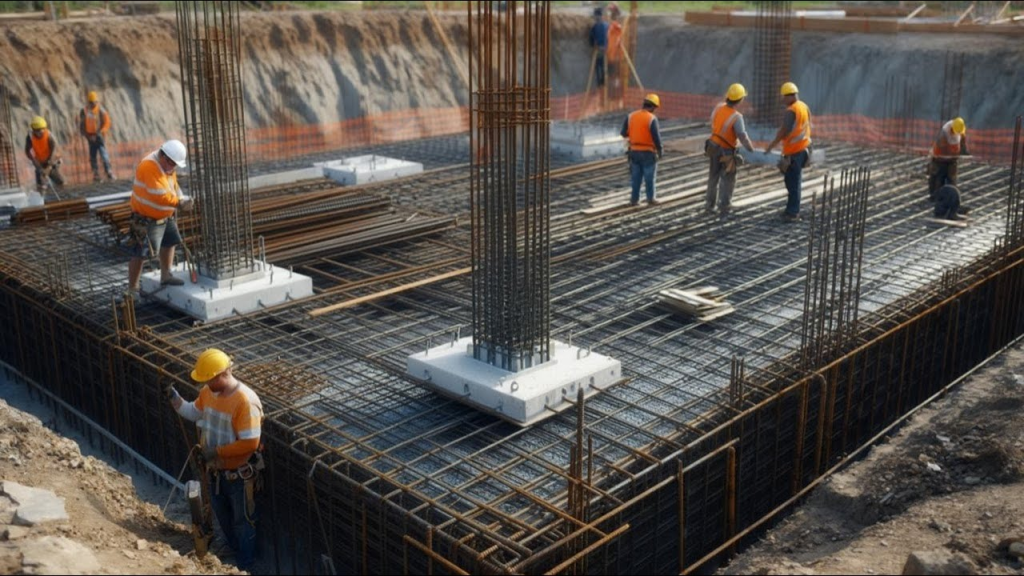
Every successful building project begins beneath the surface. While walls, roofs, and architectural finishes often receive the most attention, the true strength of any structure depends on its foundation. A properly constructed foundation provides stability, distributes weight evenly, and protects buildings from movement caused by weather, moisture, or shifting ground conditions.
In residential, commercial, and industrial construction, foundations play a major role in ensuring safety and long-term durability. Without proper planning and installation, even well-designed buildings can face structural issues over time. Modern construction projects now rely heavily on professional groundwork specialists who understand soil conditions, drainage systems, and load-bearing requirements before construction begins.
Choosing experienced foundation contractors near me can help property owners avoid future structural problems by ensuring the groundwork is completed correctly from the beginning.
Why Foundations Matter in Construction
Foundations act as the base that supports the entire structure above. Their primary role is to transfer the weight of the building safely into the ground while maintaining stability during environmental changes. Whether constructing a home extension, commercial unit, or large industrial facility, a strong foundation reduces the risk of settlement, cracking, and structural movement.
A poorly built foundation may lead to expensive repairs in the future. Common problems linked to weak foundations include uneven floors, cracked walls, water penetration, and shifting structures. In severe cases, foundation failure can compromise the overall safety of a building.
Modern engineering standards now place significant importance on accurate site preparation and foundation design. Construction professionals carefully assess factors such as:
- Soil type and condition
- Groundwater levels
- Drainage systems
- Building load requirements
- Local environmental conditions
- Future expansion possibilities
These assessments help ensure that the foundation is suitable for the structure being built.
Different Types of Foundations Used Today
Construction projects use different foundation systems depending on the building design and site conditions. Selecting the correct type is essential for long-term structural performance.
Strip Foundations
Strip foundations are commonly used in residential construction. They consist of continuous strips of concrete placed beneath load-bearing walls. This method is cost-effective and suitable for stable ground conditions.
Strip foundations are often chosen for:
- House extensions
- Small residential buildings
- Garden structures
- Low-rise developments
Their simplicity makes them one of the most widely used foundation systems in domestic construction.
Raft Foundations
Raft foundations distribute the building load across a large concrete slab. This method is particularly useful where soil conditions are weaker or less stable.
Raft foundations help reduce differential settlement and are commonly used for:
- Commercial properties
- Large residential developments
- Areas with soft soil
- Buildings with heavy structural loads
Because the entire structure rests on one slab, the load is spread evenly across the ground.
Pile Foundations
Pile foundations are designed for locations where surface soil cannot support the structure adequately. Deep piles are driven or drilled into stronger ground layers below the surface.
Pile foundations are commonly used for:
- High-rise buildings
- Bridges
- Industrial facilities
- Coastal developments
- Sites with unstable soil
This system provides exceptional support for heavy structures and difficult ground conditions.
Trench Fill Foundations
Trench fill foundations involve filling excavated trenches with concrete to create a stable base quickly. This method reduces the amount of brickwork needed below ground level and speeds up construction.
They are frequently used in modern housing projects because they offer efficiency and durability.
The Role of Soil Investigation
Before foundation work begins, soil investigation is one of the most important steps in the construction process. Ground conditions vary significantly between locations, and understanding these differences helps engineers determine the most suitable foundation type.
Soil testing identifies important factors such as:
- Load-bearing capacity
- Moisture content
- Soil composition
- Drainage characteristics
- Risk of ground movement
For example, clay soils expand and contract depending on moisture levels, which can affect structural stability. Sandy soils may drain well but require different support systems. Without proper analysis, foundation design may not adequately match the site’s requirements.
Accurate soil investigation also helps reduce construction delays and unexpected costs during the project.
Drainage and Water Management Around Foundations
Water is one of the biggest threats to foundations. Poor drainage can weaken soil, increase pressure on foundation walls, and create moisture-related damage over time. Effective drainage systems are therefore essential for maintaining structural integrity.
Modern construction projects often include:
- Surface drainage channels
- Soakaway systems
- Perimeter drains
- Waterproof membranes
- Grading and landscaping solutions
These systems help direct water away from the structure and prevent long-term damage. Proper water management also reduces the likelihood of flooding around the property.
In areas with high rainfall or poor soil drainage, additional waterproofing measures may be required to protect underground structures and basements.
Common Signs of Foundation Problems
Even strong foundations can develop issues over time due to environmental changes, poor construction practices, or aging materials. Recognising early warning signs can help property owners address problems before they become severe.
Some common signs include:
- Cracks in walls or ceilings
- Uneven or sloping floors
- Doors and windows sticking
- Gaps around window frames
- Water intrusion in basements
- Exterior brickwork cracks
Not all cracks indicate major structural issues, but professional assessment is important when symptoms become more noticeable or widespread.
Regular inspections can help identify minor issues before they turn into costly repairs.
How Modern Technology Improves Foundation Construction
Construction technology has improved significantly in recent years, making foundation work more accurate and efficient. Advanced machinery and engineering methods now allow contractors to complete projects faster while maintaining higher safety standards.
Modern technologies include:
Laser Leveling Equipment
Laser-guided systems help ensure accurate excavation depths and level surfaces. Precision improves the overall stability of the foundation.
Ground Scanning Technology
Underground scanning tools help identify buried utilities, unstable soil areas, and hidden obstacles before excavation begins.
Reinforced Concrete Systems
Modern reinforcement techniques improve strength and durability, particularly for large or complex projects.
Sustainable Construction Methods
Many projects now focus on environmentally responsible construction practices, including reduced waste, recycled materials, and efficient resource management.
These advancements improve reliability while helping projects meet modern building regulations.
The Importance of Skilled Groundworkers
Foundation work requires careful planning, technical expertise, and attention to detail. Skilled groundworkers understand how different materials, soil conditions, and weather patterns affect structural performance.
Professional groundwork teams typically manage:
- Site clearance
- Excavation
- Drainage installation
- Concrete pouring
- Reinforcement placement
- Ground leveling
Proper coordination between engineers, surveyors, and groundwork specialists ensures that the project progresses safely and efficiently.
Experienced contractors also help ensure compliance with local building regulations and safety standards throughout the construction process.
Factors That Affect Foundation Costs
Foundation costs vary depending on several factors. While some projects involve straightforward excavation and concrete work, others require extensive ground preparation and specialist engineering solutions.
Key cost factors include:
- Soil condition
- Foundation type
- Site accessibility
- Drainage requirements
- Building size
- Depth of excavation
- Local regulations
Unexpected ground conditions can sometimes increase costs during construction. This is why detailed planning and site surveys are essential before starting any project.
Although foundation work may represent a significant portion of construction costs, investing in quality workmanship often reduces future maintenance expenses.
Long-Term Benefits of Proper Foundations
A properly constructed foundation provides long-term advantages for both property owners and developers. Beyond structural stability, quality foundations contribute to energy efficiency, moisture protection, and overall building longevity.
Some major benefits include:
- Reduced structural movement
- Improved safety
- Lower maintenance costs
- Better property value
- Enhanced moisture protection
- Increased durability
Buildings with strong foundations are also more resilient against environmental stress and changing weather conditions.
As construction standards continue to evolve, the demand for durable and professionally installed foundations remains essential across all types of development projects.
Conclusion
Foundations remain one of the most important elements in any construction project. From soil investigation and excavation to drainage and reinforcement, every stage plays a vital role in ensuring structural stability and long-term performance. Proper planning and skilled workmanship help reduce future risks while supporting safer, more durable buildings.
Property owners searching for reliable foundation contractors near me should focus on experience, technical knowledge, and quality workmanship to ensure their construction projects are built on stable and secure ground.
FAQs
1. Why are foundations important in construction?
Foundations support the weight of a structure and transfer it safely into the ground. They help prevent settlement, structural movement, and damage caused by unstable soil or environmental conditions. A strong foundation improves safety, durability, and the overall lifespan of a building.
2. What type of foundation is best for residential homes?
The best foundation depends on soil conditions, building size, and local regulations. Strip foundations are commonly used for residential homes because they are cost-effective and suitable for stable ground. However, raft or pile foundations may be necessary for weaker soil conditions.
3. How do contractors determine the right foundation type?
Contractors and engineers perform soil investigations and site assessments before construction begins. They evaluate factors such as soil strength, moisture levels, drainage, and structural load requirements to select the most suitable foundation system for the project.
4. What causes foundation problems over time?
Foundation issues can result from poor drainage, soil movement, tree roots, water damage, or inadequate construction practices. Environmental changes such as drought or heavy rainfall may also affect soil stability and contribute to structural movement.
5. Can foundation issues be repaired?
Yes, many foundation problems can be repaired using specialist techniques such as underpinning, crack repairs, drainage improvements, or structural reinforcement. Early detection is important because addressing minor issues quickly often prevents more extensive and expensive repairs later.
