Key Takeaways
- Outdated wiring significantly increases fire risks and should be replaced with modern systems.
- Overloaded circuits frequently cause electrical hazards—proper device distribution is essential.
- Routine electrical inspections and upgrades protect your home and loved ones from accidents.
Table of Contents
- Introduction
- Outdated Wiring Systems
- Overloaded Circuits
- Faulty Outlets and Switches
- Lack of Ground Fault Circuit Interrupters (GFCIs)
- Inadequate Electrical Panels
- Regular Professional Inspections
- Conclusion
Introduction
Electrical problems in homes are more than just minor annoyances; they often carry hidden dangers that can put families and property at significant risk. Malfunctions within a home’s electrical system are responsible for thousands of annual house fires and numerous cases of electric shock nationwide. Therefore, being alert to the warning signs and understanding the most common electrical issues empowers homeowners to act before these issues become emergencies. Electrical repair services Raleigh can provide peace of mind through thorough inspections and prompt repairs when problems arise. By tackling electrical safety proactively, you avoid inconvenient outages, create a safer environment for your loved ones, and help prevent costly emergencies. Creating a systematic approach to electrical safety can make all the difference—homeowners who are diligent with maintenance and prompt repairs see fewer problems and enjoy greater safety, security, and comfort over the long term.
Outdated Wiring Systems
Older homes, especially those built before the 1970s, frequently contain wiring systems that no longer meet modern safety standards. Knob-and-tube wiring or aluminum wiring, for instance, were standard decades ago but are now known to pose significant safety issues. Not only are they ill-suited to handle the energy requirements of today’s devices and appliances, but their insulation can become brittle and cracked, leading to accidental shorts, sparks, or even dangerous arcs beneath the walls. Such problems are complex until they manifest as dimming lights, flickering, or, in severe cases, electrical fires. Further, insurance providers may charge higher premiums or refuse coverage for homes with these outdated systems. Upgrading your home’s wiring to modern copper is a crucial investment in safety and efficiency, reducing the likelihood of tripped circuits or overheating. Suppose you’re unsure about your home’s age or type of wiring. In that case, it’s wise to schedule an assessment with a licensed electrician who can recommend necessary upgrades or immediate repairs.Modernizing electrical systems can also make a property more attractive to insurers and help avoid coverage exclusions tied to safety risks. This is especially important when getting landlord cover when switching from residential to rental use, as insurers often require proof that the property meets current electrical and safety standards.
Overloaded Circuits
Circuit overloads are among the leading causes of residential electrical fires, yet they can be difficult to spot before significant damage occurs. Overloads happen when too many appliances or electronics are plugged into a single circuit or outlet, demanding more electricity than the circuit was designed to supply. In response, circuit breakers may automatically trip to prevent overheating—a signal that the system is under stress. While an occasional tripped breaker informs you of a problem, repeated overloads can gradually degrade the wiring, generating hidden heat behind walls. Some homeowners try to increase available outlets by plugging numerous power strips or extension cords into one outlet, but this only amplifies the problem. A safer approach is distributing appliances and electronics over multiple circuits according to their power demands. If your current arrangement leaves you short on outlets, having additional outlets or circuits professionally installed by an electrician is far safer. This ensures electricity is routed safely and reduces the risk of potentially fatal electrical fires.
Faulty Outlets and Switches
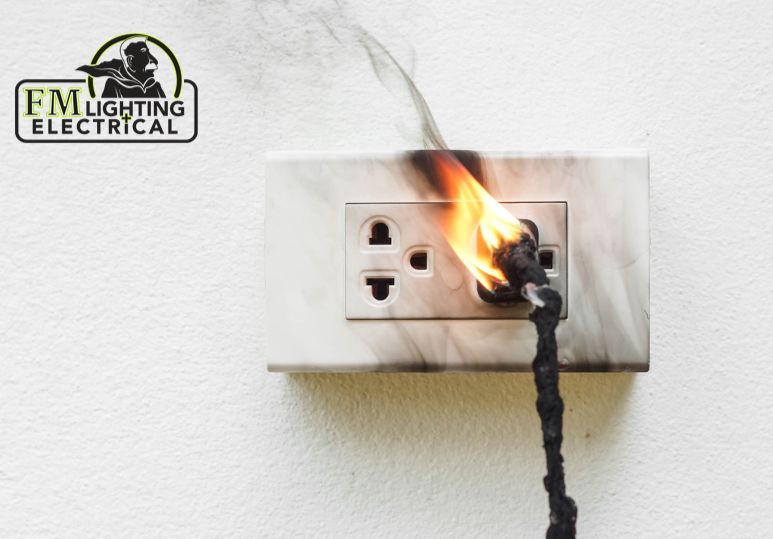
Wear and tear on outlets and switches is inevitable, especially in highly trafficked areas or older homes. Warning signs of deteriorating outlets include discoloration, melting, sparks, persistent buzzing, or an acrid smell reminiscent of burning plastic or electrical fire. Users may also notice that switches or outlets feel warm to the touch, work intermittently, or require significant force to operate. These symptoms should never be ignored, as faulty outlets and switches can shock anyone who touches them or start fires inside the walls. Inspect outlets and switches regularly for looseness, charring, or any irregularities. If you notice any of these red flags, promptly replace them or call a professional if you are uncomfortable working with electricity. Ignoring damaged outlets or switches puts users in immediate danger and can result in long-term damage to your home’s wiring system.
Lack of Ground Fault Circuit Interrupters (GFCIs)
Ground Fault Circuit Interrupters (GFCIs) are essential for reducing the risk of electric shock, particularly in moist or wet environments like bathrooms, kitchens, laundry rooms, garages, and outdoor spaces. GFCIs work by continuously monitoring the electrical current flowing through a circuit. If even a tiny imbalance is detected—often due to moisture exposure or accidental contact with water—the GFCI immediately cuts power, stopping the flow of electricity and preventing injuries. The National Electrical Code mandates GFCI installation for all new and remodeled homes in these high-risk spaces, but older homes may lack adequate GFCI protection. Retrofitting your home with GFCI outlets is a straightforward, low-cost measure that dramatically increases safety. This is especially true for families with children or elderly residents who are more vulnerable to electric shocks. Ensuring your home has functional GFCIs in the right places is one of the simplest ways to prevent electrical accidents.
Inadequate Electrical Panels
The electrical panel, or breaker box, is the hub that distributes electricity throughout a home. Outdated or undersized panels—those that cannot accommodate today’s greater electricity demand or support new circuits—can pose a significant hazard. Homeowners may notice telltale signs such as breakers that frequently trip, humming or buzzing from the panel, evidence of corrosion, or difficulty resetting breakers. These issues often indicate that the panel is overloaded, poorly maintained, or has outlived its expected lifespan. Replacing or upgrading your electrical panel ensures your household can safely support everything from air conditioners and electric vehicles to advanced electronics and smart home appliances. Besides safety, an upgraded panel adds value and preparedness for future technology. Professional electricians can evaluate your panel and suggest cost-effective solutions to bring your home up to modern standards.
Regular Professional Inspections
Scheduling regular inspections by a professional electrician is an invaluable habit for homeowners who want to prevent electrical catastrophes. Experts use specialized tools and years of experience to detect early signs of wear, code violations, overloading, and other potential hazards that might not be obvious to the untrained eye. They’ll check for hidden hazards such as deteriorated wiring, loose connections, improper installations, or outdated equipment. Moreover, professionals can provide upgrades to ensure your home is up-to-date with local and national codes, and tailor recommendations for your family’s or house’s unique needs—whether that means advising on surge protection, recommending panel upgrades, or identifying risks related to regional climate. As a rule of thumb, schedule a professional inspection every three to five years, or immediately if you notice recurring electrical problems or after significant renovations. These inspections both prevent emergencies and safeguard your investment in your home.
Conclusion
Preventing electrical problems in your home is a multi-faceted process that blends personal vigilance with the expertise of professionals. By addressing outdated wiring, avoiding overloaded circuits, replacing or repairing worn outlets and switches, installing GFCIs where needed, and ensuring your electrical panel is up to date, homeowners can dramatically reduce the chances of fire, shock, or costly damage. Routine professional inspections offer assurance that hidden dangers are caught and corrected early, especially when living in areas prone to special risks. The reward is more than safety—the reassurance that your family and belongings are well protected. Contact a licensed electrician in your area for tailored tips, periodic maintenance, or emergency repairs. Proactive planning, regular upgrades, and professional support are the foundation of a resilient, safe, and comfortable home.
