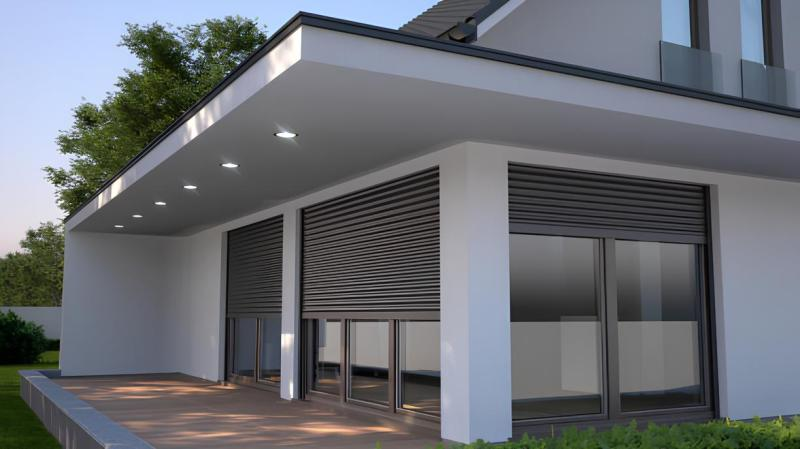
Modern properties require more than attractive designs and functional layouts. Security, energy efficiency, and durability now play a major role in how buildings are planned and maintained. Whether for residential garages, retail stores, industrial units, or commercial facilities, physical protection systems have become essential components of everyday property management. Among the most practical solutions available today are roller shutters, which combine safety, privacy, insulation, and operational convenience in one system.
Across towns and busy commercial areas, property owners are increasingly looking for reliable ways to safeguard buildings without compromising appearance or accessibility. This growing demand reflects changing priorities in both residential and commercial construction, where practical features are expected to work alongside modern architectural standards.
Understanding the Purpose of Roller Shutters
Roller shutters are protective barriers made from interconnected slats that roll vertically into a compact housing unit above an opening. They are commonly installed on doors, windows, loading bays, garages, and storefronts. Depending on the application, shutters may be operated manually or through electric motors equipped with remote controls and automation systems.
Their popularity continues to rise because they provide multiple advantages simultaneously. Beyond security, they can also improve weather resistance, reduce outside noise, and help regulate indoor temperatures.
Common Applications of Roller Shutters
Different environments require different types of protection. Roller shutters are widely used in:
- Retail shops and shopping centres
- Warehouses and industrial facilities
- Residential garages
- Schools and public buildings
- Restaurants and cafés
- Office buildings
- Storage units and workshops
Because shutters can be customised in size, material, and operation style, they suit both small residential openings and large industrial entrances.
Security as a Primary Concern
One of the biggest reasons for installing shutters is improved security. Businesses often contain valuable stock, equipment, and sensitive information, while homeowners seek protection for vehicles, tools, and personal belongings. Standard doors and glass windows can sometimes be vulnerable to forced entry, particularly in isolated or poorly monitored areas.
High-quality shutter systems create a strong physical barrier that discourages criminal activity. Reinforced materials such as steel or aluminium make it significantly harder for intruders to gain access quickly. In many situations, visible security measures alone are enough to reduce the likelihood of attempted break-ins.
Deterrence and Peace of Mind
Security is not only about stopping theft. It also provides reassurance to occupants and property owners. A well-protected building allows business operators to close premises confidently at night while enabling homeowners to feel safer during travel or extended absences.
Many modern systems now include:
- Automatic locking mechanisms
- Remote operation features
- Smart control integration
- Backup power systems
- Alarm compatibility
These additional features improve both convenience and overall protection.
Energy Efficiency and Environmental Benefits
Another important advantage of shutters is their contribution to energy efficiency. Buildings constantly lose or gain heat through doors and windows. During colder months, indoor warmth escapes easily, while summer heat can increase cooling demands. Insulated shutter systems help reduce this energy transfer.
By creating an additional barrier between indoor and outdoor environments, shutters assist in maintaining stable temperatures. This can reduce reliance on heating and air conditioning systems, potentially lowering energy consumption over time.
Noise Reduction Advantages
Urban environments often expose buildings to significant levels of traffic, construction, and pedestrian noise. Shutters can help minimise external sound transmission, creating quieter indoor spaces for homes, offices, and commercial operations.
This benefit is especially useful for:
- Ground-floor apartments
- City-centre businesses
- Schools and educational facilities
- Healthcare environments
- Recording studios and workshops
The combination of insulation and sound reduction makes shutters more than just security products.
Materials Used in Modern Shutter Systems
The effectiveness of a shutter largely depends on the materials used during manufacturing. Different materials offer varying levels of strength, weight, and corrosion resistance.
Steel Shutters
Steel remains one of the strongest options available. It provides exceptional durability and high resistance to physical impact. Steel shutters are commonly used in industrial environments and commercial properties where security requirements are particularly demanding.
Advantages include:
- High strength
- Long lifespan
- Strong resistance to forced entry
- Suitable for heavy-duty applications
However, steel systems are generally heavier and may require more powerful motor systems for automated operation.
Aluminium Shutters
Aluminium is lighter while still offering excellent durability. It is highly resistant to corrosion, making it suitable for coastal or humid environments. Aluminium shutters are often preferred for residential properties and modern commercial buildings due to their sleek appearance and lower maintenance needs.
Benefits include:
- Lightweight structure
- Corrosion resistance
- Smooth operation
- Modern aesthetic appearance
The choice between steel and aluminium usually depends on the specific security and environmental requirements of the property.
Maintenance and Long-Term Performance
Like all mechanical systems, shutters require regular maintenance to remain effective. Neglected systems may develop operational issues that affect both safety and reliability. Fortunately, routine care is generally straightforward when performed consistently.
Basic Maintenance Practices
Property owners can improve shutter longevity through:
- Cleaning tracks and surfaces regularly
- Checking for signs of wear or corrosion
- Lubricating moving parts
- Testing automatic controls
- Inspecting locking systems
Professional servicing is also recommended periodically, especially for heavily used commercial installations. Preventive maintenance helps identify small issues before they develop into expensive repairs.
The Role of Automation in Modern Shutters
Automation has transformed the way shutters operate. Manual systems are still widely used, but electric and smart-controlled shutters now dominate many modern installations. Automated systems improve accessibility and simplify daily operations for businesses and homeowners alike.
For commercial properties, automation can save valuable time when opening or securing multiple entrances. Residential users benefit from convenience, particularly when operating garage or driveway shutters during poor weather conditions.
Smart Technology Integration
Recent advancements allow shutters to connect with broader smart-building systems. Features may include:
- Smartphone control
- Scheduled opening and closing
- Voice assistant compatibility
- Security monitoring integration
- Emergency override systems
These innovations demonstrate how physical security systems are increasingly merging with digital technologies.
Weather Protection and Durability
Weather conditions can significantly affect buildings over time. Strong winds, heavy rain, and flying debris may damage exposed doors and windows. Shutters provide an extra layer of defence against environmental stress.
In regions where storms or severe weather occur regularly, protective shutters help reduce structural damage risks. Even in less extreme climates, they can protect glass surfaces from accidental impacts and everyday wear.
In areas where businesses and homeowners prioritise durable exterior protection, many property owners explore solutions such as roller shutters kent to improve security and environmental resistance while maintaining practical daily access.
Choosing the Right Shutter System
Selecting the most suitable shutter depends on several factors. Every property has unique operational needs, architectural styles, and security requirements. Careful planning helps ensure the system performs effectively for many years.
Important Considerations
Before installation, property owners often evaluate:
- Building type and usage
- Frequency of operation
- Security expectations
- Local weather conditions
- Available space for installation
- Manual versus automatic operation
- Maintenance requirements
Professional assessments are commonly used to determine the ideal specifications for each environment.
Commercial and Industrial Benefits
Businesses often rely heavily on shutters because operational continuity depends on reliable security systems. Warehouses, distribution centres, and retail shops typically contain valuable equipment and inventory that require protection outside working hours.
Shutters also support smoother operational workflows by controlling access to specific areas. In industrial environments, large roller systems help secure loading bays while allowing rapid movement of goods during business hours.
Supporting Business Continuity
Security failures can result in:
- Financial losses
- Operational delays
- Insurance complications
- Damage to reputation
- Increased repair costs
Reliable shutter systems reduce these risks while contributing to safer and more efficient workplace environments.
Residential Uses Continue to Expand
While shutters were once associated mainly with industrial settings, residential adoption has grown steadily. Homeowners now use shutters for garages, patios, windows, and garden storage areas. Modern designs blend functionality with visual appeal, making them suitable for contemporary homes.
Families also appreciate the additional privacy and insulation benefits, especially in densely populated neighbourhoods. Improved manufacturing techniques have made residential shutters quieter, smoother, and more aesthetically pleasing than older systems.
Conclusion
Security, efficiency, and durability remain central concerns for modern property owners. As buildings become more technologically advanced and operational demands continue to increase, practical protective systems are becoming increasingly important. Roller shutters offer a balanced solution by combining physical protection, environmental resistance, insulation, and convenience within a single installation.
From industrial warehouses to residential garages, shutters continue to evolve through smarter controls, improved materials, and enhanced design flexibility. Their ability to meet both functional and aesthetic demands explains why they remain a trusted feature across many sectors.
As property protection standards continue to evolve, solutions like roller shutters kent demonstrate how modern shutter systems can support long-term safety, efficiency, and operational reliability for a wide range of buildings.
FAQs
1. What are roller shutters mainly used for?
Roller shutters are primarily used for security and protection. They help secure buildings against theft, vandalism, weather damage, and unwanted access. They are commonly installed on shops, garages, warehouses, offices, and residential properties due to their durability and practical functionality.
2. Are electric roller shutters better than manual ones?
Electric roller shutters offer greater convenience, especially for large or frequently used entrances. They allow remote operation, smoother movement, and smart automation features. Manual shutters can still be effective for smaller applications where frequent opening and closing is less necessary.
3. How long do roller shutters usually last?
Well-maintained roller shutters can last many years, often exceeding two decades depending on usage and material quality. Regular servicing, cleaning, and proper operation significantly improve their lifespan while reducing the likelihood of costly repairs or operational failures over time.
4. Can roller shutters help reduce energy costs?
Yes, insulated roller shutters can improve thermal efficiency by reducing heat transfer through doors and windows. This helps maintain indoor temperatures more effectively, which may lower heating and cooling demands throughout the year in both residential and commercial buildings.
5. Do roller shutters require regular maintenance?
Routine maintenance is important for reliable performance. Cleaning tracks, lubricating moving parts, and inspecting locks or motors help prevent wear and operational problems. Professional servicing is also recommended periodically, particularly for heavily used commercial or industrial shutter systems.
