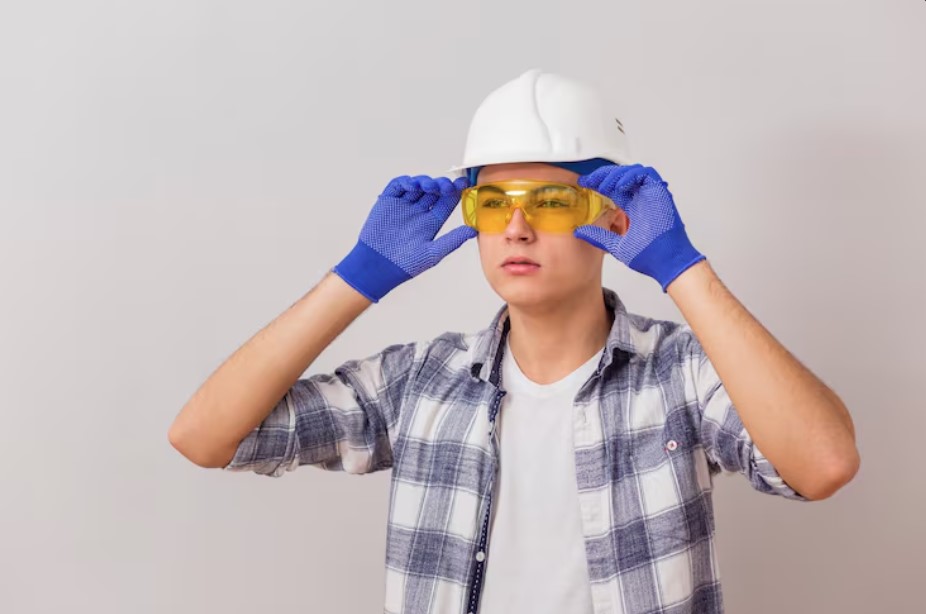
Clear vision is essential when working in laboratories, manufacturing facilities, cleanrooms, pharmaceutical plants, and other environments where protective eyewear is required. Workers need to see equipment, materials, warning indicators, and their surroundings clearly while keeping their eyes protected from workplace hazards.
However, protective goggles can sometimes affect visibility because of fogging, scratches, dirt, condensation, poor fit, or unsuitable lens coatings. Understanding how to maintain clear vision safety goggles can help workers stay comfortable while maintaining the required level of eye protection.
Why Clear Vision Matters in Protective Eyewear
Protective eyewear is designed to reduce exposure to workplace hazards, but it should also allow workers to perform their tasks effectively.
Poor visibility can make it harder to:
- Operate machinery
- Handle chemicals
- Inspect products
- Read equipment displays
- Perform precision tasks
- Move safely around the workplace
Maintaining good protective goggles visibility is therefore an important part of both PPE selection and daily maintenance.
Common Causes of Poor Goggle Visibility
Several factors can affect visibility while wearing protective goggles.
Fogging
Fogging is one of the most common visibility problems. It can occur when warm, humid air meets a cooler lens surface.
Workers who move between areas with different temperatures may be particularly likely to experience condensation.
Scratched Lenses
Repeated cleaning with abrasive materials or using damaged eyewear can create scratches. Scratched lenses can scatter light and reduce visual clarity.
Dirt and Contamination
Dust, fingerprints, cleaning residue, and other contaminants can accumulate on lenses and interfere with vision.
Poor Fit
Goggles that do not fit correctly may move during work or sit at an angle that affects the wearer’s field of view.
Unsuitable Lens Characteristics
Different workplaces may require different lens coatings, colors, or materials. Selecting eyewear that is not suitable for the working environment can affect visibility and usability.
Choose Goggles With Appropriate Lens Characteristics
Good goggle lens clarity starts with selecting suitable eyewear.
When evaluating protective goggles, consider:
- Optical quality
- Field of vision
- Lens material
- Anti-fog properties
- Scratch resistance
- Coatings
- Lighting conditions
The right combination will depend on the application and hazards present in the workplace.
How to Reduce Fogging
Fogging can significantly reduce visibility and may encourage workers to adjust or remove their goggles.
Several practices can help reduce the problem.
Select Anti-Fog Eyewear
Goggles with appropriate anti-fog coatings can help reduce condensation on the lens surface.
Check the Fit
Poorly fitted eyewear can affect airflow and contribute to condensation. A secure and appropriate fit can improve comfort and visibility.
Follow Cleaning Instructions
Cleaning products that damage or remove lens coatings can reduce anti-fog performance. Always follow the manufacturer’s instructions.
Consider the Work Environment
Temperature, humidity, physical activity, and other PPE can influence fogging. Organizations should consider these conditions when selecting eyewear.
Clean the Lenses Correctly
Regular cleaning is one of the simplest ways to maintain clear protective eyewear.
However, incorrect cleaning can cause more damage than it prevents.
Workers should:
- Follow the manufacturer’s cleaning instructions.
- Use approved cleaning solutions where required.
- Avoid abrasive materials.
- Handle lenses carefully.
- Allow eyewear to dry appropriately.
- Store goggles in a clean location.
Paper towels, clothing, or other rough materials may scratch some lenses. Always use a cleaning method appropriate for the specific product.
Inspect Goggles Before Use
A quick inspection before wearing protective goggles can help identify problems that could affect visibility.
Check for:
- Scratches
- Cracks
- Cloudiness
- Dirt
- Damaged coatings
- Loose components
- Damaged straps
- Distorted lenses
If damage significantly affects visibility or protection, the goggles should be removed from service according to the organization’s PPE procedures.
Consider Lighting Conditions
Even high-quality goggles may not provide ideal visibility in every lighting environment.
Workers should consider whether they operate under:
- Bright artificial lighting
- Low-light conditions
- Outdoor lighting
- High-glare environments
- Changing light levels
Lens tint and optical characteristics should be appropriate for the environment and task. Tinted lenses should not be used simply because they look more comfortable; their suitability should be based on the work being performed.
Make Sure Goggles Fit Properly
Fit has a direct impact on safety eyewear visibility.
Goggles should remain stable during normal movement without creating excessive pressure. If eyewear slips or sits incorrectly, the field of vision can be affected.
Workers should check that:
- The goggles remain securely positioned.
- The strap is appropriately adjusted.
- The frame does not obstruct vision.
- The goggles work comfortably with other PPE.
- The lenses remain correctly aligned with the eyes.
A good fit can improve both protection and usability.
Consider Compatibility With Other PPE
Protective goggles may need to be worn alongside respirators, masks, face shields, hoods, helmets, or other equipment.
Poorly coordinated PPE can create pressure points, shift the goggles, or obstruct the wearer’s field of view.
Before adopting a specific eyewear model, organizations should test it with the other PPE employees are expected to wear.
This is particularly important in controlled environments where workers may use multiple layers of protective equipment.
Don’t Ignore Damaged or Aging Eyewear
Protective eyewear should not be kept in service indefinitely.
Over time, lenses may become scratched, coatings may deteriorate, straps may lose elasticity, and frames may become damaged.
Replacing worn eyewear can help maintain both protection and visibility.
Organizations should establish clear replacement criteria rather than waiting until goggles become unusable.
Clear Vision and Cleanroom Environments
In cleanrooms, maintaining visibility can be particularly important because employees may perform precise tasks while wearing multiple pieces of PPE.
Protective eyewear must balance visibility with the requirements of the controlled environment.
For example, materials, coatings, cleaning methods, and PPE compatibility may need to be evaluated alongside optical performance.
Klaritex’s anti-fog cleanroom eyewear guide provides additional information on managing fogging and maintaining visibility in controlled environments.
When to Replace Protective Goggles
Goggles should generally be replaced when they are damaged or when their condition prevents them from providing the intended level of protection or visibility.
Potential replacement indicators include:
- Deep scratches
- Cracked lenses
- Persistent cloudiness
- Damaged seals
- Broken frames
- Worn straps
- Deteriorated coatings
- Reduced visibility that cannot be corrected through cleaning
Always follow the manufacturer’s replacement recommendations and workplace PPE procedures.
Build Visibility Into PPE Selection
Maintaining clear vision should begin before the goggles are purchased.
During safety eyewear visibility assessments, organizations should consider the tasks workers perform, environmental conditions, required protection, lighting, other PPE, and expected duration of use.
Testing suitable products with employees can also help identify practical visibility or comfort issues before a large-scale purchase.
Conclusion
Maintaining clear vision while wearing protective goggles requires the right combination of lens quality, proper fit, cleaning, maintenance, and workplace-appropriate selection.
By addressing fogging, scratches, dirt, poor fit, and incompatible PPE, organizations can improve protective goggles visibility while maintaining the necessary level of eye protection.
Whether used in industrial workplaces, laboratories, pharmaceutical facilities, or cleanrooms, clear vision safety goggles should provide both effective protection and reliable visibility.
For specialized protective eyewear and cleanroom PPE solutions, explore Klaritex.

