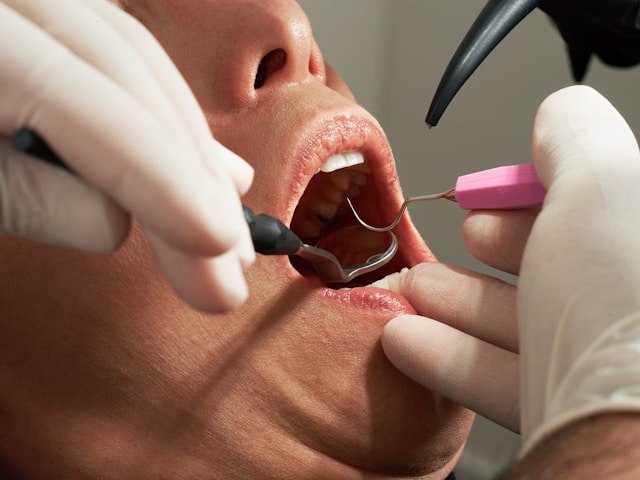
Losing a tooth can affect confidence, chewing ability, and the health of surrounding teeth. While bridges and dentures are common, dental implants offer a permanent, natural-feeling alternative. This guide covers the procedure, recovery, and long-term care of dental implants, from consultation to maintenance, to help you decide if they are right for you. Parents looking for gentle and professional dental care can trust a Kids Dentist Boca Raton FL to provide a comfortable and friendly experience for children at Pediatric Dentist Boca Raton.
What Are Dental Implants?
A dental implant is a modern solution for replacing missing teeth. It consists of three main parts:
- The Implant: A small, screw-like post, typically made of biocompatible titanium, that is surgically placed into the jawbone. It acts as a replacement for the natural tooth root.
- The Abutment: A connector piece that is attached to the top of the implant. It sits just above the gumline and serves as the base for the new tooth.
- The Crown: The final, visible part of the restoration. This is a custom-made artificial tooth designed to match the color, shape, and size of your natural teeth.
Once the implant fuses with the jawbone—a process called osseointegration—it provides a strong, stable foundation for the crown, creating a replacement tooth that looks, feels, and functions just like a natural one.
The Benefits of Choosing Dental Implants
Many people choose dental implants over other tooth replacement options for several key reasons:
- Durability and Longevity: With proper care, dental implants can last a lifetime. The titanium post is resistant to decay and becomes a permanent part of your jaw.
- Natural Look and Feel: Because implants are anchored in the bone, they don’t slip or shift like dentures can. You can eat, speak, and smile with confidence, knowing your replacement tooth is secure.
- Preservation of Jawbone: When a tooth is lost, the underlying jawbone can begin to deteriorate over time. Dental implants stimulate the bone, helping to prevent bone loss and maintain your facial structure.
- Protection for Adjacent Teeth: Unlike a dental bridge, which requires altering the adjacent healthy teeth to support the restoration, an implant stands on its own. This leaves your natural teeth untouched and intact.
- Easy Maintenance: Caring for a dental implant is as simple as caring for your natural teeth. Regular brushing, flossing, and dental check-ups are all that’s needed to keep it in great condition.
- This unique ability of the dental implants to integrate with the bone is a massive win for your overall dental health because it prevents bone loss in the jaw, a common issue with missing teeth or traditional bridges. According to this professional dentist in Vienna VA, by stimulating the bone, implants keep your facial structure intact and ensure your long-term oral hygiene is easier to maintain compared to other tooth replacement options.
The Dental Implant Procedure Explained
The journey to getting a dental implant is a multi-step process that takes place over several months. While the timeline can vary for each patient, it generally follows a structured path to ensure the best possible outcome.
Step 1: Initial Consultation and Assessment
Your first step is a thorough consultation with your dentist. During this appointment, your dentist will evaluate your oral health to determine if you are a good candidate for implants. This assessment typically includes:
- A Comprehensive Dental Exam: Your dentist will examine your teeth and gums to check for any underlying issues that need to be addressed first, such as gum disease or decay.
- Dental X-rays and 3D Imaging: These images provide a detailed view of your jawbone, allowing the dentist to assess its density and volume. This is crucial for planning the precise placement of the implant.
- Treatment Planning: If you are a suitable candidate, your dentist will create a personalized treatment plan. This plan will outline the entire process, including the number of appointments, the expected timeline, and the total cost. This is also a great time to ask any questions you may have.
In some cases, a patient may not have enough healthy bone to support an implant. If this is the case, your dentist may recommend a bone graft, a procedure to augment the jawbone, before proceeding with the implant surgery.
Step 2: Implant Placement Surgery
The implant placement is a surgical procedure that is typically performed under local anesthesia, so you won’t feel any pain. The process involves:
- Accessing the Jawbone: The dentist makes a small incision in the gum tissue to expose the underlying bone.
- Creating the Pilot Hole: Using specialized drills, a precise hole is created in the jawbone where the implant will be placed.
- Placing the Implant: The titanium implant post is carefully screwed into the bone.
- Closing the Incision: Once the implant is secure, the gum tissue is stitched closed over the implant.
After the surgery, the healing process, known as osseointegration, begins. This is when the implant fuses with the jawbone, creating a strong and stable foundation. This critical phase can take anywhere from three to six months.
Recovery and Aftercare
Proper care after your surgery is essential for successful healing and the long-term health of your implant.
Immediate Post-Op Care
In the first few days following your implant surgery, it’s normal to experience some swelling, bruising, minor bleeding, and discomfort. Your dentist will provide specific instructions to manage these symptoms, which may include:
- Pain Management: Over-the-counter pain relievers are usually sufficient, but your dentist may prescribe stronger medication if needed.
- Diet: Stick to soft foods for the first few days to avoid putting pressure on the surgical site. Think smoothies, yogurt, and soup.
- Oral Hygiene: It’s important to keep your mouth clean, but you’ll need to be gentle around the surgical area. Your dentist may recommend a special saltwater or antimicrobial rinse.
- Rest: Avoid strenuous physical activity for a few days to allow your body to heal.
Long-Term Maintenance
Once your implant has fully integrated and the final crown is placed, caring for it is straightforward. To ensure your implant lasts for many years, follow these simple guidelines:
- Practice Good Oral Hygiene: Brush twice a day and floss daily, paying special attention to the area around the implant.
- Attend Regular Dental Check-ups: Visit your dentist for routine cleanings and exams every six months. Professional cleanings help remove plaque and tartar that you can’t reach at home.
- Avoid Harmful Habits: Don’t use your teeth (implants or natural) to open packages or chew on hard items like ice or pens, as this can damage the crown.
Are Dental Implants Right for You?
While dental implants offer significant benefits, they may not be the best solution for everyone.
Candidacy Requirements
Ideal candidates for dental implants generally have:
- Good Oral Health: Healthy gums and no untreated tooth decay.
- Sufficient Jawbone Density: Enough bone to securely anchor the implant.
- Good Overall Health: Conditions like uncontrolled diabetes or autoimmune diseases can affect healing.
- A Commitment to Oral Hygiene: A willingness to maintain good oral care habits long-term.
Experienced dentists like those in OKC can perform a detailed evaluation to confirm if you meet these requirements.
Alternatives to Implants
If you’re not a suitable candidate for dental implants, or if you prefer a different option, there are several alternatives available:
- Dental Bridges: A bridge uses the two teeth adjacent to the gap as anchors to hold a replacement tooth in place. This is a fixed, non-removable option.
- Partial Dentures: A removable appliance that fills the gap left by one or more missing teeth. It consists of replacement teeth attached to a gum-colored base.
- Full Dentures: If you are missing all of your teeth in an arch, a full denture is a removable option to restore your smile and function.
Conclusion
Dental implants offer a permanent, comfortable solution for missing teeth, restoring the ability to eat and speak while preserving oral health. To learn if implants are right for you, consult a qualified dental professional for a personalized assessment.