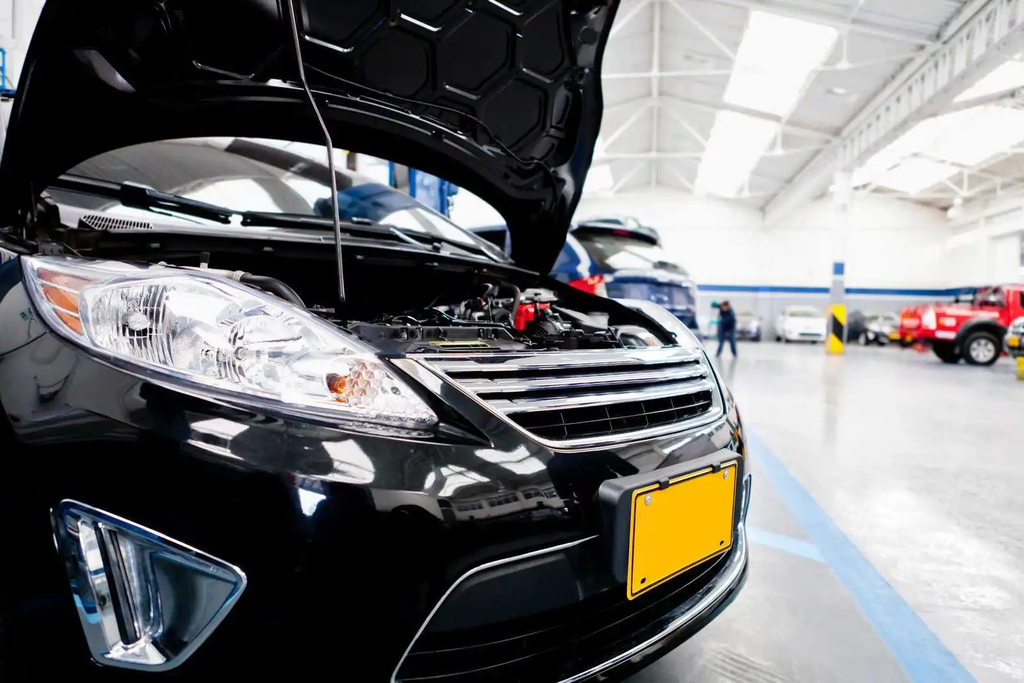
Vehicle ownership requires more than simply driving regularly and filling the fuel tank. Cars rely on numerous mechanical, electrical, and electronic systems that must work together to provide dependable transportation. Over time, normal driving can cause components to wear, fluids to become contaminated, and certain systems to lose efficiency. Regular maintenance and timely repairs from reliable Auto Repair Kingwood, TX professionals can help identify these issues before they develop into expensive problems.
Routine vehicle care is especially important for people who rely on their cars for commuting, family activities, work, and daily responsibilities. A consistent maintenance approach can improve reliability, support safety, and help drivers avoid unexpected breakdowns.
The Importance of Regular Vehicle Maintenance
Regular maintenance helps keep important vehicle systems operating as intended. Even when a car appears to be working normally, some components may be experiencing gradual wear that is not immediately noticeable.
Preventing Small Problems From Becoming Major Issues
Minor problems can become more serious when they are ignored. A small fluid leak, unusual sound, worn belt, or weak battery may eventually affect other components. Addressing these concerns early can reduce the possibility of extensive damage.
Preventive maintenance also gives drivers an opportunity to identify issues before they result in a vehicle becoming difficult or impossible to drive.
Maintaining Consistent Performance
A well-maintained vehicle generally provides more predictable performance. Regular checks can help ensure that the engine, brakes, tires, suspension, and other major systems remain in suitable condition.
Consistent maintenance can also help drivers notice changes in vehicle behavior sooner, making it easier to investigate potential problems.
Protecting the Engine and Other Major Components
The engine is one of the most important parts of a vehicle. It contains many moving components that require proper lubrication, cooling, and maintenance to operate effectively.
The Role of Fluids
Engine oil reduces friction between moving components and helps manage heat. Other fluids support systems such as the transmission, brakes, steering, and cooling system.
Checking fluid levels and replacing fluids when necessary can help protect important components. Low, dirty, or contaminated fluids may contribute to increased wear and reduced performance.
Inspecting Belts and Hoses
Belts and hoses can deteriorate because of age, heat, pressure, and regular use. Cracked or weakened components may eventually fail and cause significant problems.
During routine inspections, technicians can check these parts for visible signs of wear and recommend replacement when appropriate.
Improving Vehicle Safety
Maintenance is not only about preventing expensive repairs. It also plays an important role in keeping vehicles safe.
Brake System Maintenance
The braking system experiences significant stress during everyday driving. Brake pads, rotors, calipers, and other components gradually wear down.
Ignoring squealing, grinding, vibrations, or reduced braking performance can increase safety risks and potentially result in more expensive repairs. Regular inspections allow worn components to be addressed before they create larger problems.
Tire and Suspension Checks
Tires provide the connection between a vehicle and the road. Uneven wear, improper inflation, damaged tread, and alignment problems can affect handling and braking.
Suspension components also influence stability and ride quality. Regular inspections can identify worn parts and help maintain proper vehicle control.
Recognizing Early Warning Signs
Drivers are often the first people to notice changes in vehicle performance. Paying attention to unusual symptoms can help prevent serious issues.
Unusual Sounds and Vibrations
Grinding, squealing, knocking, rattling, or humming sounds may indicate mechanical concerns. Similarly, unusual vibrations while accelerating, braking, or turning can point toward problems involving wheels, tires, suspension, brakes, or drivetrain components.
These signs should not simply be ignored because the vehicle continues to operate.
Warning Lights and Dashboard Messages
Modern vehicles use dashboard indicators to alert drivers when certain systems require attention. A warning light may indicate anything from a minor issue to a problem requiring immediate inspection.
Getting the vehicle properly diagnosed can help determine the actual cause instead of relying on assumptions.
How Professional Repairs Save Money
Regular service may seem like an additional expense, but preventive care can help reduce larger costs over time.
Avoiding Emergency Repairs
Unexpected breakdowns can be inconvenient and expensive. A vehicle that suddenly stops operating may require towing, emergency service, and multiple repairs.
Routine inspections can identify worn or failing components before they cause an unexpected breakdown. This gives drivers more control over when and how repairs are completed.
Extending Component Lifespan
Proper maintenance can reduce unnecessary stress on vehicle components. When fluids are maintained, tires are properly cared for, and worn parts are replaced at suitable intervals, other systems may experience less strain.
This can help extend the useful life of important components and contribute to better long-term value.
Choosing the Right Repair Approach
Not every vehicle problem requires the same solution. Accurate diagnosis is important before beginning any major repair.
The Value of Proper Diagnosis
Replacing parts without identifying the actual cause of a problem can lead to unnecessary expenses. Professional diagnostic procedures can help narrow down the source of an issue.
A clear diagnosis allows the repair process to focus on the affected system rather than replacing components based on guesswork.
Regular Service for Older Vehicles
Older vehicles may require more frequent attention because components have experienced more years and miles of use. However, age alone does not mean a vehicle cannot remain dependable.
Consistent inspections and timely repairs can help older cars continue performing reliably when properly maintained.
Creating a Practical Maintenance Schedule
A maintenance schedule makes it easier to keep track of important services. Drivers can record oil changes, tire rotations, brake inspections, fluid services, battery checks, and other recommended work.
Follow Vehicle-Specific Recommendations
Maintenance requirements can vary depending on the vehicle’s age, mileage, driving conditions, and usage. Following the appropriate service intervals can help ensure important components receive attention when needed.
Drivers who frequently travel in heavy traffic, carry heavy loads, or make many short trips may need to pay particular attention to maintenance.
Keep Service Records
Keeping records of previous repairs and maintenance can make future service easier. A maintenance history helps identify completed work and provides useful information when new problems appear.
It can also help owners plan upcoming maintenance rather than waiting until a component fails.
Conclusion
Regular vehicle maintenance is an important part of responsible car ownership. Addressing minor concerns early, checking essential systems, maintaining fluids, monitoring warning signs, and following suitable service intervals can help improve reliability and reduce the risk of expensive breakdowns. For drivers seeking dependable auto repair Kingwood, TX, professional maintenance can provide valuable support in keeping vehicles safe and efficient. Working with an experienced Kingwood mechanic can also help identify developing problems, complete necessary repairs, and keep a vehicle running smoothly for years to come.
