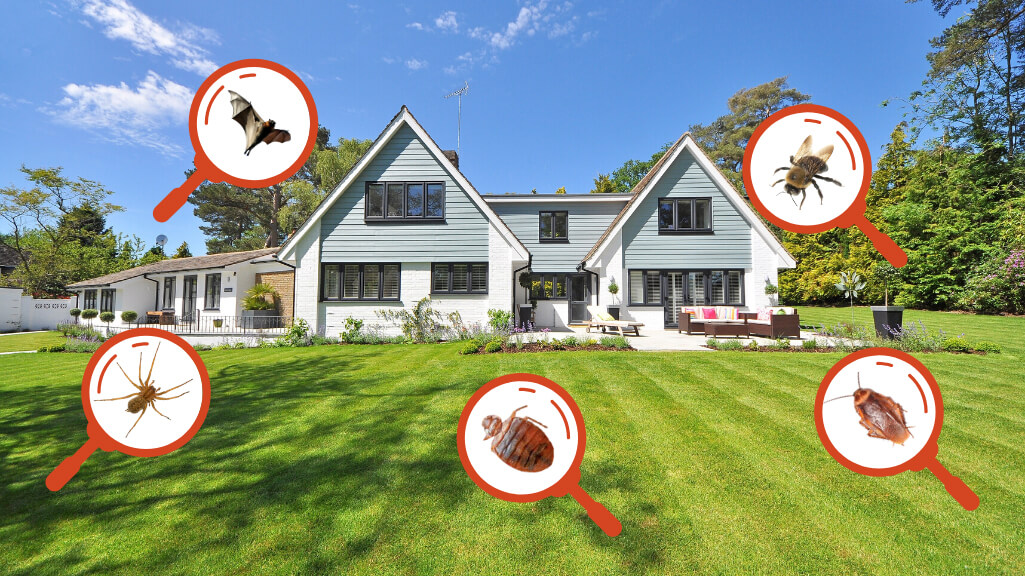
Understanding Why Pest Control Matters in Modern Communities
Keeping homes and workplaces free from pests has become increasingly important in modern residential areas. Insects and rodents are not only unpleasant to deal with, but they can also spread diseases, damage property, and create unsafe living conditions. Whether it is ants in the kitchen, rats in storage areas, or wasps nesting near windows, infestations can quickly grow if ignored.
Many homeowners attempt to solve pest problems on their own using sprays or traps from local stores. While these methods may provide temporary relief, they often fail to address the root cause of the infestation. Professional services use targeted solutions, detailed inspections, and preventative strategies to manage pest activity effectively.
For homeowners dealing with recurring infestations, seeking expert help for pest control stanford le hope can support safer and more reliable long-term pest management.
Professional pest control is not simply about removing visible pests. It also involves identifying entry points, reducing environmental risks, and preventing future infestations. With changing weather conditions and increased urban development, pests continue to adapt and find new places to survive, making proactive management more important than ever.
Common Pests Found in Residential Properties
Different pests become active depending on the season, property type, and environmental conditions. Some infestations remain hidden for weeks before homeowners notice signs of activity.
Rodents
Rats and mice are among the most destructive household pests. They chew electrical wiring, contaminate food supplies, and reproduce rapidly. Rodents often enter homes through small gaps around pipes, vents, and foundations.
Common warning signs include:
- Scratching sounds in walls or ceilings
- Small droppings near food areas
- Gnaw marks on furniture or cables
- Unpleasant odours in hidden spaces
Ants
Ant infestations are especially common during warmer months. Once ants locate a food source, they leave scent trails that attract more colony members into the property.
Kitchen counters, sugary spills, and pet food areas often become targets. Although some ants appear harmless, large infestations can become difficult to control without proper treatment.
Wasps and Bees
Wasps frequently build nests near roofs, sheds, garages, and garden structures. Their aggressive behaviour can create risks for families, especially for individuals with allergies.
Professional removal is often recommended because disturbing a nest without protective equipment may trigger dangerous swarming activity.
Cockroaches
Cockroaches thrive in dark, damp environments such as kitchens, bathrooms, and basements. They are known carriers of bacteria and allergens that may affect respiratory health.
Signs of cockroach activity include:
- Dark droppings near cupboards
- Strong musty odours
- Egg cases in hidden corners
- Night-time insect movement
How Pest Infestations Affect Health and Property
Many people underestimate the impact pests can have on daily life. Beyond inconvenience, infestations may lead to long-term structural and health-related issues.
Health Risks
Pests carry bacteria, viruses, and allergens that may spread through surfaces and food contamination. Rodents and insects can trigger asthma symptoms, allergic reactions, and skin irritations.
Some pests are also associated with serious illnesses, including:
- Salmonella
- Hantavirus
- Lyme disease
- E. coli contamination
Children, elderly individuals, and people with weakened immune systems are often more vulnerable to these risks.
Structural Damage
Termites, rodents, and other pests can weaken property structures over time. Wooden beams, insulation materials, and electrical systems may suffer extensive damage before the infestation becomes visible.
Ignoring small warning signs can eventually lead to costly repairs. Early detection plays a major role in limiting long-term expenses.
Why Professional Pest Control Is More Effective
While DIY products are widely available, professional pest control services offer several advantages that improve results and reduce future risks.
Accurate Identification
Different pests require different treatment methods. A professional inspection helps identify:
- The pest species
- Nesting areas
- Entry points
- Environmental causes of infestation
Using the wrong treatment often allows pests to return quickly.
Safe Treatment Methods
Modern pest management focuses on safe and controlled applications. Professionals understand how to minimise risks to children, pets, and the surrounding environment while still achieving effective results.
This balanced approach helps ensure that treatments remain both practical and responsible.
Long-Term Prevention
One of the biggest benefits of professional pest control is prevention. Instead of treating only visible pests, experts aim to stop future infestations before they begin.
Preventative strategies may include:
- Sealing access points
- Reducing moisture levels
- Removing nesting opportunities
- Monitoring pest activity over time
Seasonal Pest Problems and Prevention Tips
Pest activity changes throughout the year. Understanding seasonal patterns can help homeowners prepare before infestations develop.
Spring and Summer
Warmer temperatures encourage insects such as ants, flies, and wasps to become more active. Open windows, outdoor gatherings, and increased humidity create ideal conditions for pest movement.
Helpful prevention tips include:
- Keeping food sealed properly
- Cleaning outdoor bins regularly
- Repairing damaged window screens
- Removing standing water from gardens
Autumn and Winter
As temperatures drop, rodents often seek warmth indoors. Attics, garages, and wall cavities become common hiding places.
To reduce winter infestations:
- Seal cracks around doors and foundations
- Store food in airtight containers
- Clear clutter from storage spaces
- Trim vegetation close to buildings
The Role of Cleanliness in Pest Prevention
Clean environments are far less attractive to pests. Even minor changes in household habits can reduce the chances of infestation significantly.
Kitchen Hygiene
Food crumbs, grease, and moisture provide ideal conditions for insects and rodents. Regular cleaning is one of the simplest ways to discourage pest activity.
Important habits include:
- Wiping surfaces daily
- Emptying bins frequently
- Cleaning under appliances
- Fixing leaking pipes promptly
Outdoor Maintenance
Gardens and exterior areas can also attract pests if neglected. Overgrown vegetation, wood piles, and blocked gutters create hiding places and breeding grounds.
Simple outdoor maintenance can make a major difference in preventing infestations.
Signs That Professional Help May Be Needed
Some infestations become severe before homeowners realise the problem exists. Recognising early warning signs allows quicker action and reduces the likelihood of widespread damage.
Persistent Pest Activity
If pests continue returning despite repeated DIY treatments, the infestation may be larger than expected. Professional inspections can uncover hidden nesting areas and breeding sites.
Unusual Sounds or Smells
Scratching noises inside walls or strong unpleasant odours often indicate rodent activity. These signs should never be ignored because infestations can spread rapidly.
Visible Property Damage
Chewed wires, damaged insulation, or holes in walls may point to ongoing pest problems that require immediate attention.
Eco-Friendly Approaches to Pest Management
Environmental awareness has encouraged many pest control providers to adopt safer and more sustainable practices. Eco-friendly methods focus on minimising chemical exposure while still delivering effective treatment.
Integrated Pest Management (IPM)
Integrated Pest Management combines multiple strategies to reduce infestations responsibly. Instead of relying entirely on pesticides, IPM focuses on:
- Monitoring pest behaviour
- Removing food and water sources
- Using targeted treatments only when necessary
- Encouraging long-term prevention
This approach supports both environmental protection and effective pest reduction.
Reduced Chemical Dependency
Modern treatments are often designed to target pests precisely while limiting unnecessary exposure to humans and pets. This helps create safer indoor environments without compromising effectiveness.
Conclusion
Pest problems can quickly affect health, comfort, and property value if left untreated. Whether dealing with rodents, insects, or seasonal infestations, early action is essential for maintaining a safe and hygienic environment. Professional pest management not only removes existing infestations but also helps prevent future problems through inspection, monitoring, and long-term solutions.
Choosing reliable support for pest control stanford le hope can help homeowners manage infestations more effectively while improving safety, cleanliness, and peace of mind throughout the year.
FAQs
1. How often should a property receive pest inspections?
The frequency depends on the location, property type, and previous infestation history. Many residential properties benefit from annual inspections, while businesses or high-risk environments may require more regular monitoring to prevent recurring pest activity and maintain hygiene standards.
2. Are professional pest control treatments safe for pets and children?
Most modern pest control methods are designed with safety in mind. Professionals use controlled applications and provide guidance about temporary precautions when necessary. Following the technician’s instructions helps ensure treatments remain safe for everyone in the household.
3. What attracts rodents into homes during winter?
Rodents search for warmth, food, and shelter when temperatures drop. Small entry points around pipes, doors, and foundations allow them to enter properties easily. Accessible food sources and cluttered storage areas can also encourage nesting activity indoors.
4. Can pests return after treatment?
Yes, pests may return if preventative measures are not maintained. Professional services often include recommendations for sealing entry points, improving cleanliness, and reducing environmental conditions that attract pests, helping lower the risk of future infestations.
5. Why is DIY pest control sometimes ineffective?
Store-bought treatments may only remove visible pests without addressing nests or breeding areas. Incorrect product use can also worsen infestations. Professional pest control identifies the root cause and applies targeted methods designed for long-term results.
