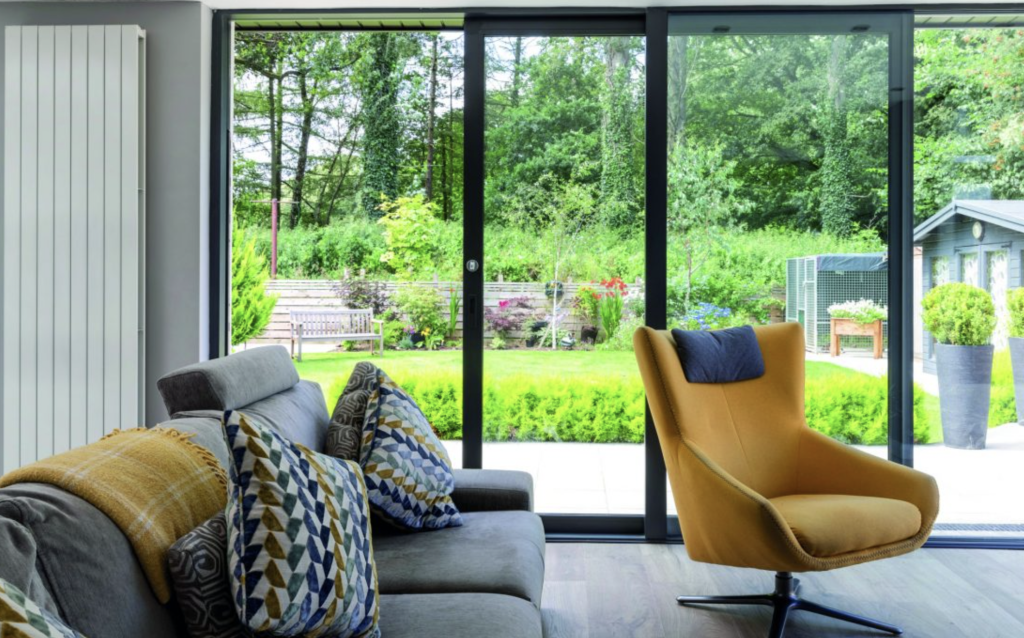
A summerhouse can serve many purposes, from a relaxing garden retreat to a practical workspace or hobby room. While the structure itself plays an important role, the windows are equally significant in determining comfort, energy efficiency, and overall appearance. Well-designed windows allow natural light to enter, improve ventilation, and create a welcoming atmosphere throughout the year.
Modern homeowners are increasingly paying attention to window quality when upgrading outdoor structures. Durable frames, effective glazing, and suitable opening mechanisms all contribute to the long-term usability of a garden building. Whether a summerhouse is used occasionally during warmer months or regularly throughout the year, selecting the right windows can make a noticeable difference.
When planning improvements for outdoor buildings, many homeowners explore options for summerhouse windows that combine practicality with attractive design. The right choice can help maintain comfort while complementing the overall style of the garden.
Why Windows Matter in a Summerhouse
Windows are often one of the most visible and functional parts of a summerhouse. They influence both the exterior appearance and the interior experience. Large windows can create a bright and airy environment, while smaller designs may offer increased privacy and insulation.
A well-positioned window arrangement can also maximise natural sunlight during different times of the day. This reduces the need for artificial lighting and makes the space feel larger and more comfortable.
Beyond aesthetics, quality windows provide protection from weather conditions. Properly sealed frames help prevent drafts, water leaks, and heat loss, which is particularly important in colder seasons.
Common Types of Summerhouse Windows
There are several window styles available for summerhouses, each suited to different preferences and building designs.
Fixed Windows
Fixed windows do not open but are ideal for allowing natural light into the building. They are often used in modern summerhouse designs where ventilation is less important than visibility and aesthetics.
Casement Windows
Casement windows are among the most common choices. Hinged at the side, they open outward and provide excellent ventilation. Their simple operation and secure locking systems make them practical for garden buildings.
Sliding Windows
Sliding windows are a useful option where space is limited. Since they move horizontally rather than opening outward, they can suit compact outdoor areas.
Top-Hung Windows
Top-hung windows open outward from the bottom while remaining hinged at the top. They allow ventilation even during light rain and can offer additional privacy.
The Importance of Natural Light
Natural light can completely transform a summerhouse interior. Bright spaces generally feel more open, comfortable, and inviting. This is particularly useful if the structure is used as a home office, reading room, or art studio.
Windows positioned to capture sunlight during the morning or afternoon can improve the atmosphere significantly. However, excessive direct sunlight may sometimes create overheating during warmer months. Choosing appropriate glazing or incorporating blinds and curtains can help manage indoor temperatures.
The balance between light and shade is an important consideration during the planning stage.
Materials Used in Summerhouse Windows
The material of a window frame affects maintenance, durability, insulation, and appearance. Different options suit different budgets and design preferences.
Timber Frames
Timber windows are popular for traditional garden buildings because of their natural appearance. They blend well with wooden summerhouses and create a classic look.
However, timber requires regular maintenance to protect against moisture and weather damage. Painting or staining may be needed periodically to maintain durability.
uPVC Frames
uPVC windows are widely chosen due to their low maintenance requirements and strong insulation properties. They resist rot, corrosion, and fading, making them suitable for year-round outdoor use.
They are also available in various finishes and colours to suit different garden styles.
Aluminium Frames
Aluminium windows provide a sleek and modern appearance. They are lightweight, strong, and resistant to rust. Slim frames can also maximise glass area and natural light.
Although often more expensive initially, aluminium windows can offer excellent long-term durability.
Energy Efficiency and Insulation
Many people now use summerhouses throughout the year rather than only during summer. As a result, insulation has become increasingly important.
Double-glazed windows help reduce heat loss and improve indoor comfort during colder weather. They also minimise outside noise, which can be valuable in busy residential areas.
Energy-efficient windows can help regulate indoor temperatures by:
- Retaining warmth during winter
- Reducing overheating in summer
- Preventing drafts
- Limiting condensation buildup
Proper insulation can make a summerhouse more practical for work, hobbies, or relaxation in all seasons.
Ventilation and Airflow
Good airflow is essential in outdoor structures. Without proper ventilation, moisture can accumulate inside the building, leading to condensation and potential mould growth.
Opening windows help maintain fresh air circulation and reduce humidity levels. Cross-ventilation can be particularly effective when windows are placed on opposite sides of the building.
Ventilation is especially important if the summerhouse is used for activities such as painting, exercising, or gardening-related storage.
Security Considerations
Although summerhouses are primarily leisure spaces, security should not be overlooked. Garden buildings may contain furniture, tools, electronics, or valuable equipment.
Modern window systems often include secure locking mechanisms that improve protection against forced entry. Toughened or laminated glass can also increase safety and durability.
Some useful security features include:
- Multi-point locking systems
- Reinforced glazing
- Internal window beading
- Key-operated handles
- Strong frame materials
These additions can help provide peace of mind, especially for detached garden structures.
Matching Windows with Summerhouse Design
The style of a window should complement the overall appearance of the summerhouse. Traditional buildings may suit classic timber frames with decorative detailing, while contemporary structures often benefit from larger glass panels and minimalist frames.
Colour coordination is another important factor. Neutral shades generally blend well with garden surroundings, while darker frames can create a more modern appearance.
Window placement also affects the building’s visual balance. Symmetrical arrangements often create a tidy and organised look, while asymmetrical designs may appear more contemporary.
Maintenance and Long-Term Care
Regular maintenance helps extend the lifespan of summerhouse windows. Dirt, moisture, and weather exposure can gradually affect both frames and glazing if neglected.
Basic maintenance tasks include:
- Cleaning glass and frames regularly
- Checking seals for wear or damage
- Lubricating hinges and locks
- Inspecting for condensation issues
- Repainting timber frames when needed
Routine inspections can identify small problems before they become costly repairs.
Seasonal Challenges for Outdoor Windows
Summerhouse windows experience changing weather conditions throughout the year. Heavy rain, strong sunlight, wind, and cold temperatures can all affect performance over time.
In winter, poor insulation may lead to condensation or heat loss. During summer, excessive sunlight may increase indoor temperatures. Choosing quality glazing and durable materials can help reduce these seasonal issues.
Protective treatments and weather-resistant seals also contribute to long-term reliability.
Creating a Comfortable Multi-Purpose Space
Modern summerhouses are no longer limited to occasional relaxation. Many people now use them as:
- Home offices
- Fitness rooms
- Art studios
- Reading spaces
- Entertainment areas
- Guest accommodation
The right windows support these functions by improving comfort, lighting, and ventilation. A well-designed environment can make the space more enjoyable and practical throughout the year.
Environmental Considerations
Sustainability has become an important factor in modern building improvements. Energy-efficient windows can reduce heat loss and lower energy consumption in heated summerhouses.
Some manufacturers also use recyclable materials and responsibly sourced timber. Choosing durable products with a long lifespan can minimise waste and reduce the need for frequent replacements.
Properly insulated windows may also contribute to a more environmentally conscious outdoor living space.
Signs That Windows May Need Replacing
Over time, windows may become less effective due to wear and weather exposure. Recognising the warning signs early can help prevent larger structural issues.
Common indicators include:
- Drafts around frames
- Difficulty opening or closing windows
- Condensation between glazing panes
- Visible rot or corrosion
- Water leaks during rain
- Increased outside noise
Replacing outdated windows can improve both appearance and performance.
Conclusion
The right windows can significantly improve the comfort, appearance, and practicality of a summerhouse. From insulation and ventilation to security and natural light, every feature contributes to how the space functions throughout the year.
Carefully chosen materials, glazing, and designs help create an outdoor structure that remains comfortable in changing weather conditions while complementing the surrounding garden environment.
Homeowners looking to improve outdoor spaces often consider upgrading summerhouse windows to achieve better insulation, increased durability, and a more attractive finish for year-round use.
FAQs
1. What type of window is best for a summerhouse?
The best window type depends on the intended use of the summerhouse. Casement windows are popular because they provide good ventilation and security. Fixed windows work well for increasing natural light, while sliding designs are useful in smaller spaces where outward opening windows may not be practical.
2. Are double-glazed windows necessary for a summerhouse?
Double glazing is highly beneficial if the summerhouse is used regularly throughout the year. It helps improve insulation, reduces heat loss, minimises outside noise, and creates a more comfortable indoor environment during colder months. It can also help reduce condensation problems inside the building.
3. How often should summerhouse windows be maintained?
Basic maintenance should ideally be carried out several times a year. Cleaning frames and glass, checking seals, and inspecting hinges or locks can help prevent long-term damage. Timber frames may require additional treatment or repainting periodically to maintain protection against weather exposure.
4. Can old summerhouse windows be replaced easily?
In many cases, old windows can be replaced without major structural changes. Accurate measurements and compatible frame materials are important to ensure a proper fit. Replacing damaged or outdated windows can improve insulation, security, and the overall appearance of the summerhouse.
5. How can windows improve ventilation in a summerhouse?
Opening windows allow fresh air to circulate through the building, reducing humidity and preventing condensation buildup. Proper airflow is particularly important during warmer months or when the summerhouse is used frequently for work, hobbies, or relaxation. Cross-ventilation designs can further improve indoor comfort.

