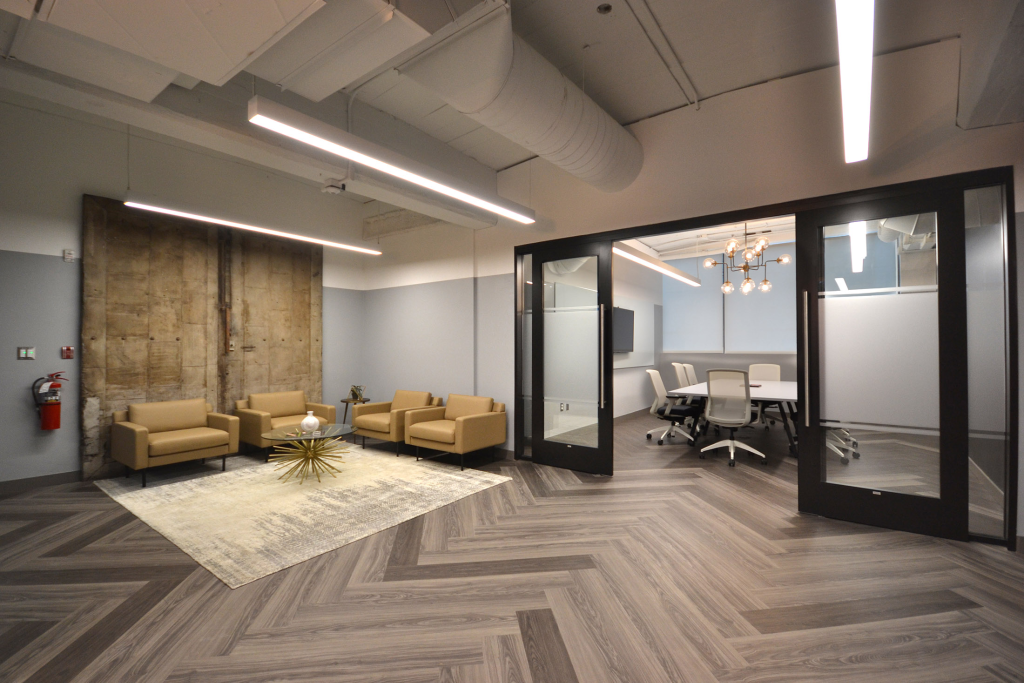
The appearance and functionality of a commercial space play a major role in how customers, employees, and visitors experience a business. Flooring is one of the most important yet often overlooked elements in commercial interiors. It affects safety, durability, cleanliness, comfort, and overall aesthetics. From offices and retail stores to warehouses and healthcare facilities, the right flooring solution can significantly improve operational efficiency and visual appeal.
Modern businesses often invest in durable and stylish solutions such as commercial flooring kent because commercial flooring must withstand heavy foot traffic while maintaining a professional appearance. Selecting suitable materials and designs requires careful consideration of maintenance needs, environmental conditions, and long-term performance.
Understanding Commercial Flooring
Commercial flooring refers to flooring systems specifically designed for business and public environments. Unlike residential flooring, commercial surfaces must tolerate frequent use, moving equipment, spills, and varying environmental conditions.
Different industries require different flooring characteristics. For example:
- Offices prioritize comfort and noise reduction
- Retail spaces focus on visual appeal and durability
- Hospitals require hygienic and easy-to-clean surfaces
- Warehouses need impact resistance and load-bearing strength
- Educational facilities need low-maintenance and slip-resistant flooring
The right flooring solution helps businesses reduce repair costs, improve workplace safety, and create welcoming environments.
Common Types of Commercial Flooring
Vinyl Flooring
Vinyl flooring is one of the most widely used options in commercial environments because of its affordability, durability, and versatility. It is available in various styles, including wood-look and stone-look finishes.
Benefits of vinyl flooring include:
- Water resistance
- Easy maintenance
- Comfortable underfoot
- Cost-effectiveness
- Strong resistance to wear
Luxury vinyl tiles (LVT) are especially popular in offices, hotels, and retail stores because they combine durability with an elegant appearance.
Carpet Tiles
Carpet tiles are commonly used in office buildings and conference spaces. They help reduce noise levels while creating a comfortable atmosphere for employees and visitors.
One major advantage of carpet tiles is their modular design. Damaged sections can be replaced individually without removing the entire floor.
Key advantages include:
- Sound insulation
- Comfort
- Design flexibility
- Easy replacement
- Improved warmth
Modern carpet tiles also come with stain-resistant and environmentally friendly features.
Laminate Flooring
Laminate flooring provides the appearance of natural wood at a lower cost. It is suitable for moderate-traffic commercial areas and offers quick installation.
Businesses often choose laminate flooring because it:
- Mimics real wood effectively
- Requires less maintenance
- Resists scratches
- Offers budget-friendly solutions
However, laminate flooring may not perform well in areas with excessive moisture exposure.
Ceramic and Porcelain Tiles
Tile flooring remains a popular option in restaurants, healthcare facilities, and bathrooms because of its water resistance and durability.
Porcelain tiles are particularly strong and suitable for high-traffic areas. These materials are easy to clean and available in numerous textures and finishes.
Advantages include:
- Long lifespan
- Moisture resistance
- Fire resistance
- Hygienic surfaces
- Strong visual appeal
Tiles can also contribute to improved indoor cleanliness due to their non-porous surfaces.
Epoxy Flooring
Epoxy flooring is commonly used in industrial and commercial environments such as warehouses, garages, and manufacturing facilities.
This flooring system involves applying resin coatings over concrete surfaces to create a smooth and durable finish.
Benefits include:
- Chemical resistance
- Impact resistance
- Easy cleaning
- Slip-resistant options
- Long-term durability
Epoxy flooring also provides a professional and polished appearance suitable for modern industrial settings.
Factors to Consider Before Choosing Commercial Flooring
Foot Traffic Levels
The amount of daily foot traffic directly impacts flooring performance. High-traffic environments require durable materials capable of resisting wear and tear over time.
Retail stores, airports, hospitals, and shopping centres often require stronger flooring systems than smaller offices or meeting rooms.
Maintenance Requirements
Some flooring materials require extensive maintenance, while others only need routine cleaning. Businesses should evaluate maintenance costs before installation.
For example:
- Carpet may require regular deep cleaning
- Vinyl requires simple mopping
- Tile grout may need periodic sealing
- Epoxy surfaces require minimal maintenance
Choosing low-maintenance flooring can help reduce long-term operational expenses.
Safety and Slip Resistance
Commercial spaces must prioritize employee and visitor safety. Flooring with slip-resistant properties helps reduce accidents and injuries.
This is particularly important in:
- Restaurants
- Hospitals
- Factories
- Schools
- Shopping centres
Textured surfaces and anti-slip coatings can improve safety in moisture-prone areas.
Design and Branding
Flooring contributes significantly to interior aesthetics and brand identity. Modern commercial spaces often use flooring designs to create specific moods and experiences.
For example:
- Luxury hotels may prefer elegant stone finishes
- Corporate offices often use neutral carpet tiles
- Retail stores may choose bold patterns
- Cafes may incorporate rustic wood-look flooring
The visual impact of flooring can influence customer perception and employee morale.
Budget Considerations
Initial installation costs vary depending on materials, labour, and maintenance requirements. Businesses should balance affordability with durability and long-term value.
Cheaper flooring may result in higher replacement costs over time, while premium materials may offer better performance and longevity.
The Role of Flooring in Workplace Productivity
Commercial flooring does more than enhance appearance. It can also affect employee productivity and comfort.
Comfortable flooring reduces physical strain for workers who stand for long periods. Acoustic flooring solutions help minimize noise distractions in busy office environments.
Well-designed flooring also improves indoor air quality when low-emission materials are used. Cleaner and more comfortable environments can positively influence employee wellbeing and concentration.
Sustainable Commercial Flooring Trends
Sustainability has become increasingly important in modern construction and renovation projects. Many businesses now seek environmentally responsible flooring options.
Popular eco-friendly flooring materials include:
- Recycled carpet tiles
- Bamboo flooring
- Cork flooring
- Low-VOC vinyl products
- Reclaimed wood
Sustainable flooring helps reduce environmental impact while supporting healthier indoor environments.
Manufacturers are also introducing flooring products with improved recyclability and energy-efficient production methods.
Maintenance Tips for Commercial Flooring
Proper maintenance extends the lifespan of commercial flooring and preserves its appearance.
Daily Cleaning
Routine cleaning removes dirt, debris, and moisture that can damage flooring surfaces over time.
Recommended practices include:
- Sweeping or vacuuming daily
- Immediate spill cleanup
- Using entrance mats
- Damp mopping when necessary
Preventive Measures
Businesses can reduce flooring damage by implementing preventive strategies such as:
- Installing protective furniture pads
- Using floor mats in high-traffic areas
- Avoiding harsh chemicals
- Conducting routine inspections
Scheduled Professional Maintenance
Periodic professional cleaning and maintenance help restore flooring appearance and address hidden damage.
Examples include:
- Carpet steam cleaning
- Tile grout cleaning
- Floor polishing
- Surface resealing
Regular maintenance helps businesses avoid expensive repairs and replacements.
Future Trends in Commercial Flooring
Commercial flooring continues to evolve with advancements in technology and design. Modern flooring systems now combine aesthetics, durability, and smart functionality.
Emerging trends include:
- Antimicrobial flooring surfaces
- Smart flooring technology
- Acoustic-enhancing materials
- Modular flooring systems
- Sustainable manufacturing innovations
Businesses are increasingly seeking flooring solutions that improve hygiene, flexibility, and long-term efficiency.
Design trends are also moving toward natural textures, minimalist aesthetics, and multifunctional spaces that support modern work environments.
Conclusion
Commercial flooring plays a crucial role in shaping the functionality, safety, and visual appeal of modern business environments. The right flooring solution supports operational efficiency, improves comfort, and enhances the overall experience for employees and customers alike. From vinyl and carpet tiles to epoxy and ceramic surfaces, each material offers unique benefits suited to different commercial applications.
Businesses looking for durable and practical interior solutions often explore options like commercial flooring kent to create professional environments that balance performance, style, and long-term value.
FAQs
1. What is the most durable type of commercial flooring?
Epoxy flooring and porcelain tiles are among the most durable commercial flooring options. They resist heavy traffic, impacts, moisture, and chemical exposure. These materials are commonly used in industrial spaces, healthcare facilities, and busy public environments where long-lasting performance is essential.
2. How often should commercial flooring be replaced?
The replacement timeline depends on the flooring material, maintenance practices, and traffic levels. High-quality commercial flooring can last anywhere from 10 to 30 years. Regular cleaning, preventive maintenance, and professional inspections help extend the lifespan of commercial flooring systems.
3. Why is slip resistance important in commercial flooring?
Slip-resistant flooring reduces the risk of workplace accidents and injuries. This is especially important in environments exposed to moisture, spills, or heavy foot traffic. Choosing flooring with textured surfaces or anti-slip coatings helps businesses maintain safer environments for employees and visitors.
4. Are eco-friendly commercial flooring options available?
Yes, many sustainable flooring options are available for commercial spaces. Bamboo, cork, recycled carpet tiles, and low-VOC vinyl products are popular environmentally friendly choices. These materials help reduce environmental impact while contributing to healthier indoor air quality and sustainable building practices.
5. Which flooring option is best for office environments?
Carpet tiles and luxury vinyl flooring are commonly used in office settings. Carpet tiles help reduce noise and improve comfort, while luxury vinyl offers durability and easy maintenance. The best option depends on office traffic levels, design preferences, and maintenance requirements.
