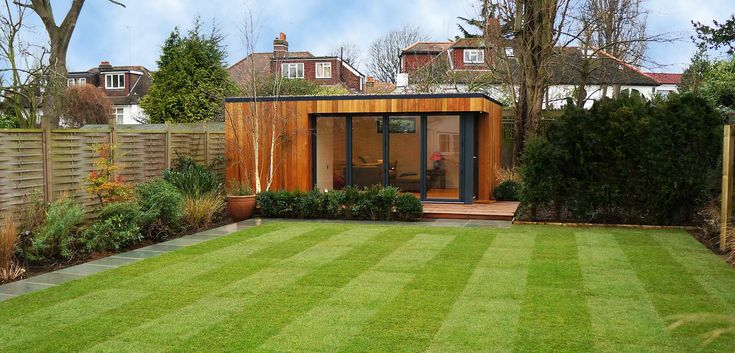
Outdoor living spaces have become an important part of modern home design. Homeowners today are looking for practical ways to improve comfort, increase usable space, and create peaceful environments without moving to a larger property. As a result, garden buildings have gained significant popularity across the UK, especially in suburban and rural areas where outdoor space is more accessible.
People now use outdoor structures for much more than simple storage. They are becoming home offices, relaxation areas, gyms, hobby rooms, and entertainment spaces. The flexibility of these structures makes them a valuable addition to many properties. In areas where homeowners want stylish and functional outdoor spaces, demand continues to grow steadily.
Many homeowners exploring outdoor upgrades are now considering summer houses essex as a practical way to extend their living environment while improving the appearance of their gardens.
Why Garden Buildings Are Becoming More Popular
Modern lifestyles have changed significantly over the past decade. More people now work remotely, spend time at home, and seek flexible spaces that can adapt to changing needs. Traditional home layouts often do not provide enough room for these activities, leading homeowners to explore outdoor alternatives.
Garden buildings offer several advantages:
- Additional usable space without major extensions
- Better separation between work and home life
- Increased property appeal
- Opportunities for relaxation and creativity
- Cost-effective alternatives to moving house
Unlike large-scale renovations, outdoor structures are usually less disruptive and can often be completed in a shorter timeframe. This convenience makes them attractive for households seeking quick yet effective property improvements.
Creating a Dedicated Home Office
One of the biggest reasons for the rise in outdoor buildings is the increase in remote and hybrid working arrangements. Working from a kitchen table or living room can become distracting over time. A separate workspace helps improve focus, productivity, and work-life balance.
Garden offices provide a professional environment away from household noise. Many homeowners customize these spaces with:
Comfortable Furniture
Ergonomic desks and chairs help improve comfort during long working hours. Proper furniture also contributes to healthier posture and increased productivity.
Natural Lighting
Large windows and glass doors allow sunlight to enter the space, creating a brighter and more pleasant atmosphere. Natural light can also reduce energy usage during daytime hours.
Heating and Insulation
Modern outdoor offices are designed for year-round use. Proper insulation and heating systems ensure comfort during colder months.
Technology Integration
Reliable internet connections, power outlets, and smart lighting systems allow garden offices to function just like indoor workspaces.
These features help transform outdoor structures into highly practical professional environments.
Outdoor Spaces for Relaxation and Wellness
Many homeowners use garden buildings as personal retreats. Daily routines can become stressful, and having a quiet outdoor area helps support mental wellbeing. A dedicated space away from the main house can encourage relaxation and healthier lifestyles.
Popular wellness-focused uses include:
- Reading rooms
- Yoga studios
- Meditation spaces
- Art or music rooms
- Home spas
These peaceful environments allow individuals to disconnect from distractions and focus on hobbies or self-care activities.
Natural surroundings also contribute positively to relaxation. Being close to greenery and fresh air can help reduce stress levels and improve overall mood.
Entertainment and Social Spaces
Outdoor buildings also serve as excellent entertainment areas. Families increasingly use them for social gatherings, movie nights, and celebrations. A separate outdoor room allows homeowners to host guests without disrupting the main house.
Garden Bars
Small garden bars have become a popular feature in many properties. These spaces can include seating areas, lighting, shelves, and beverage stations.
Gaming or Cinema Rooms
Technology-friendly garden rooms can be transformed into entertainment hubs with televisions, projectors, and sound systems.
Dining and Gathering Areas
Some homeowners use outdoor buildings alongside patios and decking to create complete social environments for dining and relaxation.
These flexible entertainment spaces help maximize enjoyment of outdoor areas throughout the year.
Increasing Property Appeal and Functionality
Adding functional outdoor buildings can enhance the overall attractiveness of a property. Buyers are increasingly interested in homes that offer versatile spaces, especially when indoor square footage is limited.
Several features contribute to this added appeal:
- Modern architectural design
- Practical multi-purpose use
- Improved garden appearance
- Additional storage or workspace
- Better lifestyle flexibility
Well-designed outdoor structures can complement existing landscaping and improve the visual balance of a garden.
While every property market differs, many homeowners view garden buildings as long-term investments that improve everyday living while potentially supporting future resale value.
Design Trends in Modern Garden Buildings
Outdoor structures have evolved considerably in recent years. Older wooden sheds have been replaced by contemporary designs that blend functionality with style.
Minimalist Architecture
Simple lines, neutral colours, and clean finishes are common in modern garden building designs. This aesthetic helps structures blend naturally with outdoor environments.
Large Glass Panels
Floor-to-ceiling windows and sliding glass doors create open, airy spaces while maximizing natural light.
Sustainable Materials
Environmentally conscious homeowners increasingly prefer responsibly sourced timber and energy-efficient insulation materials.
Multi-Functional Layouts
Flexible interiors allow spaces to serve multiple purposes. A garden room may function as a workspace during the day and a relaxation area in the evening.
These modern design approaches help outdoor buildings feel like genuine extensions of the home.
Planning Considerations Before Installation
Before adding any outdoor structure, homeowners should carefully evaluate several practical factors.
Available Space
The size and shape of the garden influence what type of building can be installed comfortably without overcrowding the outdoor area.
Intended Use
Understanding the primary purpose of the building helps determine required features such as insulation, lighting, ventilation, and electrical systems.
Local Regulations
Some structures may require planning permission depending on size, height, and placement. It is important to understand local guidelines before starting any project.
Budget
Costs vary depending on materials, customization, and interior features. Establishing a clear budget early helps avoid unexpected expenses.
Careful planning ensures the final structure meets both practical and aesthetic expectations.
Year-Round Use and Comfort
Modern outdoor buildings are no longer seasonal spaces used only during summer months. Advances in insulation and construction techniques allow them to remain comfortable throughout the year.
Key features that support year-round use include:
- Double-glazed windows
- Insulated flooring and roofing
- Weather-resistant materials
- Efficient heating systems
- Proper ventilation
These improvements make garden buildings practical during both warm summers and cold winters.
Homeowners can therefore enjoy consistent functionality regardless of weather conditions.
Balancing Indoor and Outdoor Living
One reason outdoor structures remain highly desirable is their ability to strengthen the connection between indoor and outdoor living. Many people want homes that feel open, calming, and connected to nature.
Garden rooms create transitional spaces that combine the comfort of indoor environments with the benefits of outdoor surroundings.
This balance offers several lifestyle advantages:
- More time spent outdoors
- Better use of garden areas
- Improved natural lighting exposure
- Enhanced relaxation opportunities
- Increased flexibility for family activities
As modern lifestyles continue evolving, adaptable living spaces are becoming increasingly valuable.
Sustainability and Energy Efficiency
Sustainability is another important factor influencing outdoor building trends. Many homeowners now prioritize environmentally responsible home improvements.
Energy-efficient garden buildings may include:
Eco-Friendly Insulation
High-quality insulation reduces heat loss and lowers energy consumption.
Solar Lighting
Outdoor solar-powered systems can reduce electricity usage while improving convenience.
Sustainable Timber
Responsibly sourced materials help reduce environmental impact.
Efficient Heating Systems
Modern electric heating solutions offer controlled energy usage during colder months.
These environmentally conscious choices support both sustainability goals and long-term cost savings.
The Future of Outdoor Living Spaces
The popularity of outdoor buildings is expected to continue growing in the coming years. Flexible living arrangements, remote work opportunities, and lifestyle-focused property improvements are all contributing factors.
Future trends may include:
- Smarter technology integration
- More energy-efficient construction
- Increased personalization
- Compact multifunctional designs
- Greater focus on wellbeing spaces
As homeowners seek more adaptable environments, outdoor structures are likely to remain a practical and stylish solution.
Conclusion
Outdoor garden buildings have become far more than simple backyard additions. They now serve as offices, entertainment rooms, wellness spaces, and multi-functional living areas that improve both comfort and property functionality. Their flexibility makes them suitable for a wide range of lifestyles and household needs.
With thoughtful planning, quality materials, and modern design approaches, these structures can provide long-term value and year-round usability. As interest in outdoor living continues to expand, more homeowners are discovering the advantages of adding functional spaces beyond the main house.
For homeowners looking to improve both practicality and outdoor aesthetics, summer houses essex continue to offer versatile solutions for modern living.
FAQs
1. What are the most common uses for outdoor garden buildings?
Outdoor garden buildings are commonly used as home offices, gyms, hobby rooms, relaxation spaces, entertainment areas, and guest rooms. Their flexibility allows homeowners to adapt the space according to changing needs, making them highly practical additions for modern households seeking extra functional space.
2. Do garden buildings require planning permission?
Many smaller garden buildings fall under permitted development rights, meaning planning permission may not be necessary. However, regulations can vary depending on the structure’s size, height, location, and intended use. It is always important to check local planning guidelines before beginning installation.
3. Can outdoor garden rooms be used during winter?
Yes, modern garden rooms are often designed for year-round use. Features such as insulation, double glazing, heating systems, and weather-resistant materials help maintain comfortable temperatures during colder months, allowing homeowners to use the space throughout all seasons effectively.
4. How can garden buildings improve property value?
Well-designed outdoor structures can enhance property appeal by adding functional living space and improving garden aesthetics. Buyers often appreciate flexible spaces that support remote work, relaxation, or entertainment, making such additions attractive in competitive housing markets.
5. What materials are commonly used in modern garden buildings?
Modern garden buildings are typically constructed using timber, insulated panels, glass, and weather-resistant materials. Many homeowners also choose sustainable materials and energy-efficient features to improve durability, reduce maintenance, and support environmentally responsible construction practices.
