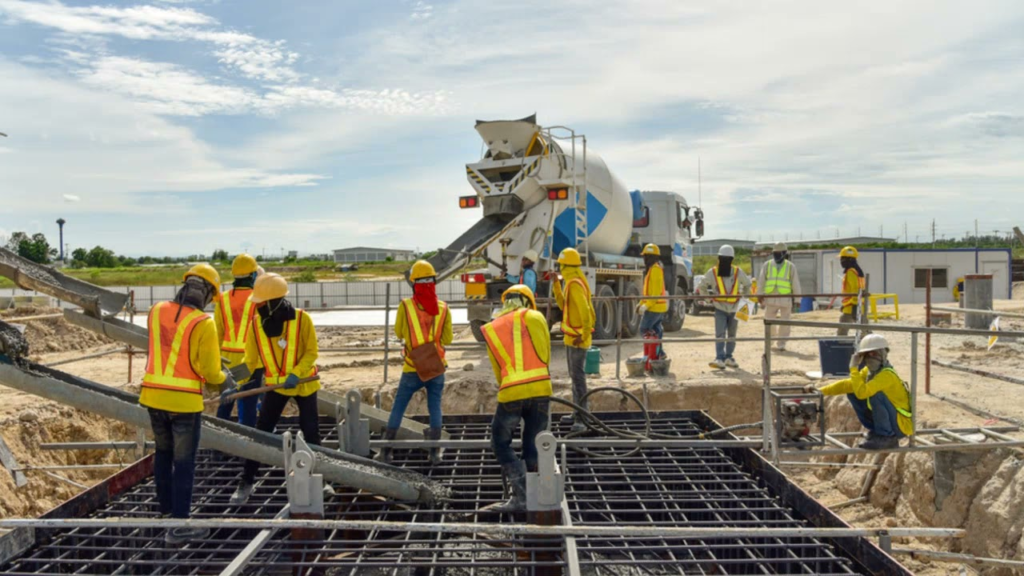
Commercial construction continues to shape modern cities through office buildings, retail centres, warehouses, schools, healthcare facilities, and industrial developments. At the heart of these projects lies one of the most dependable construction materials ever developed: concrete. Known for its durability, versatility, and structural strength, concrete plays a critical role in supporting infrastructure and ensuring long-term performance.
As commercial developments become more complex, contractors and developers increasingly focus on materials that deliver both reliability and efficiency. Concrete remains one of the few materials capable of meeting these demands across a wide range of applications. From foundations and flooring to loading bays and reinforced structural systems, commercial concrete solutions continue to evolve alongside modern engineering standards.
Why Concrete Remains Essential in Commercial Construction
Concrete has been used in construction for centuries, yet it continues to dominate modern commercial projects because of its adaptability and resilience. Commercial environments place heavy demands on structures, requiring materials capable of handling continuous stress, varying weather conditions, and high traffic volumes.
Unlike many alternative building materials, concrete offers exceptional compressive strength while requiring relatively low maintenance over time. This combination makes it ideal for large-scale projects where longevity and operational efficiency are priorities.
Modern concrete mixtures are also engineered to meet specific project requirements. Contractors can adjust strength, setting times, moisture resistance, and thermal performance depending on the intended use. This flexibility allows developers to achieve better structural outcomes while maintaining construction schedules.
Common Commercial Applications of Concrete
Commercial concrete is used in a wide variety of construction settings, including:
- Office buildings
- Shopping centres
- Industrial facilities
- Multi-storey car parks
- Educational institutions
- Distribution warehouses
- Healthcare buildings
- Public infrastructure projects
Each application requires careful planning to ensure the concrete mix matches the environmental and structural demands of the project.
Planning and Preparation in Concrete Construction
Successful commercial concrete work begins long before any material arrives on-site. Proper planning ensures that the concrete performs as intended throughout the building’s lifespan. Contractors must assess ground conditions, drainage requirements, load-bearing needs, and environmental exposure before selecting the appropriate concrete solution.
Site preparation is especially important in large commercial developments. Poor groundwork can lead to settlement issues, cracking, or uneven surfaces that compromise structural integrity. Engineers and contractors therefore work closely together to ensure foundations are properly reinforced and supported.
Weather conditions also influence concrete installation. Temperature, humidity, and rainfall can affect curing times and surface quality. Professional scheduling and monitoring help minimise these risks during construction phases.
In many regional developments, builders rely on dependable suppliers of commercial concrete sheffield to ensure consistent quality and timely delivery for demanding commercial projects.
Durability and Long-Term Performance
One of concrete’s greatest advantages is its long-term durability. Commercial buildings often experience heavy daily usage, requiring flooring and structural systems that can withstand significant pressure without rapid deterioration.
Concrete offers excellent resistance to:
- Heavy loads
- Fire exposure
- Moisture damage
- Chemical spills
- Extreme weather
- Abrasion and wear
These properties make it particularly suitable for warehouses, industrial facilities, and transport infrastructure where durability directly impacts operational costs.
Properly installed concrete can last for decades with minimal maintenance. Routine inspections, joint sealing, and occasional resurfacing can further extend its lifespan, helping property owners reduce repair expenses over time.
Reinforced Concrete in Structural Systems
Reinforced concrete combines concrete with steel reinforcement bars or mesh to increase tensile strength. This approach allows structures to support heavier loads while maintaining stability across large spans.
Commercial buildings frequently use reinforced concrete in:
- Structural columns
- Floor slabs
- Foundations
- Retaining walls
- Bridge decks
- Parking structures
The combination of steel and concrete creates a highly reliable structural system capable of meeting modern engineering requirements.
Sustainability in Modern Concrete Construction
Sustainability has become a major focus within the construction industry. Developers increasingly seek materials and methods that reduce environmental impact while maintaining performance standards.
Concrete manufacturers now incorporate various sustainable practices into production and application processes. These include:
- Recycling aggregates
- Reducing cement content
- Using supplementary cementitious materials
- Improving energy efficiency during production
- Minimising construction waste
Modern concrete mixes can also contribute to energy-efficient building designs by improving thermal mass performance. Structures with better thermal regulation may require less energy for heating and cooling over time.
Permeable concrete systems are another innovation gaining popularity in commercial developments. These systems allow water to pass through surfaces, reducing runoff and improving drainage management in urban areas.
The Importance of Proper Concrete Mixing
The quality of commercial concrete depends heavily on accurate mixing and material proportions. Even minor inconsistencies can affect strength, curing performance, and long-term durability.
Concrete mixtures typically include:
- Cement
- Water
- Sand
- Aggregates
- Chemical admixtures
The ratio of these materials must be carefully controlled to achieve the desired performance characteristics. For example, industrial flooring may require higher strength mixes than pedestrian walkways or decorative surfaces.
Admixtures are often added to improve workability, accelerate curing, or enhance resistance to environmental conditions. Advances in material science have significantly improved the performance of commercial concrete in recent years.
On-Site Delivery and Efficiency
Timely concrete delivery is critical for commercial projects operating under strict schedules. Delays can disrupt construction timelines and increase labour costs.
Efficient logistics help ensure that concrete arrives at the correct consistency and temperature for immediate placement. Contractors must coordinate closely with suppliers to avoid interruptions during large pours or structural installations.
Ready-mix concrete has become particularly valuable in commercial construction because it improves consistency while reducing on-site mixing requirements. This approach enhances efficiency and minimises material waste.
Concrete Flooring in Commercial Buildings
Commercial flooring systems face constant stress from foot traffic, machinery, equipment, and storage loads. Concrete flooring remains one of the most practical choices due to its durability and adaptability.
Concrete floors are commonly found in:
- Retail spaces
- Warehouses
- Factories
- Hospitals
- Educational facilities
- Logistics centres
Depending on the environment, flooring systems may be polished, coated, or reinforced to improve performance and appearance. Polished concrete floors, for example, have become increasingly popular in modern commercial interiors because of their low maintenance and contemporary aesthetic.
Industrial flooring may also include specialised coatings to resist chemicals, oils, or abrasion from machinery.
Safety Considerations in Concrete Construction
Safety remains a major priority during commercial concrete work. Large-scale pours, heavy equipment, and reinforced structural systems require careful coordination to protect workers and maintain compliance with regulations.
Key safety considerations include:
- Proper handling of materials
- Equipment inspection
- Fall prevention measures
- Site traffic management
- Adequate curing protection
- Structural load monitoring
Concrete curing is particularly important because premature loading or environmental exposure can weaken the final structure. Contractors often use protective coverings, moisture retention methods, and controlled curing schedules to ensure optimal results.
Technological Advancements in Concrete Work
Technology continues to transform commercial concrete construction. Digital tools and advanced equipment now improve accuracy, efficiency, and quality control throughout the construction process.
Some modern innovations include:
- Laser-guided levelling systems
- Concrete pumping technology
- 3D modelling software
- Smart sensors for curing monitoring
- Automated batching systems
These advancements help contractors reduce errors, improve productivity, and achieve more consistent outcomes across complex commercial projects.
Challenges Facing Commercial Concrete Projects
Despite its many advantages, commercial concrete construction also presents challenges. Contractors must address environmental conditions, labour demands, project scheduling, and material costs throughout the construction process.
Some common challenges include:
- Weather-related delays
- Rising material prices
- Labour shortages
- Transportation logistics
- Quality control management
Proper planning and communication between suppliers, engineers, and contractors are essential for overcoming these obstacles effectively.
Urban construction sites may present additional complications due to restricted access, noise regulations, and limited working space. Flexible scheduling and efficient delivery coordination therefore become increasingly important in city-based developments.
Conclusion
Commercial construction depends heavily on materials that deliver strength, reliability, and long-term performance. Concrete continues to meet these expectations across a broad range of applications, from industrial facilities to modern office developments. Its durability, versatility, and adaptability make it one of the most trusted materials in the construction industry.
As technology and sustainability practices continue to evolve, concrete solutions are becoming even more efficient and environmentally responsible. Developers and contractors increasingly recognise the importance of high-quality supply chains, proper planning, and skilled installation methods in achieving successful project outcomes.
Reliable sourcing of commercial concrete sheffield remains an important factor for contractors aiming to maintain quality, efficiency, and structural integrity throughout commercial building projects.
FAQs
1. Why is concrete widely used in commercial construction?
Concrete is widely used because it offers excellent strength, durability, and versatility. It can withstand heavy loads, harsh weather conditions, and continuous usage over long periods. These qualities make it suitable for commercial buildings, warehouses, industrial facilities, and public infrastructure projects.
2. What is reinforced concrete used for?
Reinforced concrete combines steel reinforcement with concrete to improve tensile strength and structural performance. It is commonly used in foundations, columns, floor slabs, retaining walls, and parking structures where additional support and stability are required for heavy commercial loads.
3. How does ready-mix concrete improve efficiency?
Ready-mix concrete improves efficiency by providing consistent quality and reducing on-site mixing requirements. It allows contractors to save time, minimise waste, and maintain better control over material performance, especially on large commercial construction projects with strict timelines.
4. Can concrete be environmentally friendly?
Modern concrete production incorporates several sustainable practices, including recycled materials, reduced cement usage, and improved manufacturing efficiency. Certain concrete systems also help manage stormwater and improve building energy performance, contributing to more sustainable commercial developments.
5. What factors affect concrete durability?
Concrete durability depends on material quality, mix design, installation methods, curing conditions, and environmental exposure. Proper planning and maintenance help prevent cracking, moisture damage, and structural deterioration, ensuring the concrete performs effectively throughout its intended lifespan.
