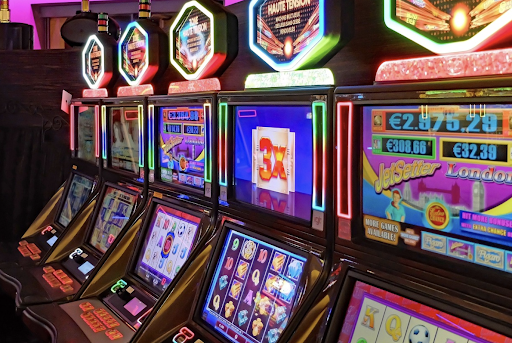
The landscape of entertainment has undergone a radical transformation over the last century, but few icons have transitioned from the physical to the digital world as successfully as the slot machine. What began as a mechanical curiosity in the late 19th century—a bulky device of gears and iron levers—has evolved into a sophisticated digital ecosystem defined by high-definition graphics, complex mathematical algorithms, and immersive storytelling. As we move through 2026, the concept of a “one-armed bandit” has been replaced by mobile-first experiences and virtual reality environments, yet the core appeal of the game remains unchanged. Understanding the mechanics, psychology, and variety of modern gaming is essential for anyone looking to navigate this fast-paced industry with clarity and confidence.
From Mechanical Gears to Random Number Generators
The history of the slot machine is a testament to human ingenuity in the pursuit of leisure. The first recognized machine, the Liberty Bell, was invented by Charles Fey in 1895. It featured three mechanical reels and a handful of symbols, paying out in nickels. However, the true revolution occurred in the late 20th century with the introduction of microprocessors. This shift allowed developers to move away from physical reels and toward the Random Number Generator (RNG).
In 2026, the RNG is the silent heart of every digital machine. It is a complex algorithm that produces thousands of mathematical sequences every second, ensuring that every spin is an entirely independent event. This technology removed the physical limitations of mechanical reels, allowing for thousands of “virtual stops” and the birth of the massive progressive jackpots we see today. For the modern player, this means that the outcome of a game is determined the exact millisecond the button is pressed, making the spinning animation a purely aesthetic—though highly engaging—display of data.
The Psychology of Sensory Engagement
It is no accident that gaming floors and digital apps are filled with vibrant colors, rhythmic soundtracks, and celebratory animations. The design of a modern slot experience is deeply rooted in behavioral psychology. Developers utilize a concept known as “sensory feedback loops” to create a sense of immersion. When a player wins, even a small amount, the brain releases dopamine in response to the flashing lights and the sound of falling coins.
Interestingly, designers also focus on “losses disguised as wins.” This occurs when a player bets two dollars but “wins” back one dollar. The machine celebrates with the same fanfare as a jackpot, and the brain often registers this as a positive event despite the net loss. This high level of engagement is further enhanced by the absence of clocks and windows in traditional casinos, or the infinite-scroll nature of mobile apps, all designed to distort the perception of time and keep the player focused on the “vibe” of the game.
A Spectrum of Variety: Classic, Video, and Progressive
As the industry has matured, it has branched into several distinct categories to cater to different player preferences. For those who appreciate nostalgia, “Classic Slots” replicate the simple three-reel format of the original fruit machines. These games prioritize straightforward gameplay and quick rounds, often featuring iconic symbols like cherries, bars, and lucky sevens.
“Video Slots” represent the most common form of the game in 2026. These typically feature five or more reels and hundreds of “paylines”—the specific patterns required for a win. Video slots are characterized by their cinematic quality; they often include elaborate storylines, licensed characters from movies and TV shows, and interactive bonus rounds that feel more like a video game than a traditional gambling device. Finally, “Progressive Slots” link machines across entire networks, taking a tiny fraction of every bet to build a massive, communal jackpot that can reach into the millions.
Innovation in 2026: Blockchain and Personalization
The current era of gaming is defined by two major technological pillars: blockchain and Artificial Intelligence (AI). Blockchain has introduced the concept of “Provably Fair” gaming. By using cryptographic hashes, players can verify the randomness of a spin on a public ledger, eliminating the “black box” mystery of traditional software and building unprecedented trust between the developer and the user. Furthermore, the rise of cryptocurrency has enabled near-instant payouts, a significant upgrade over the multi-day waiting periods associated with legacy banking systems.
Simultaneously, AI is being used to personalize the gaming experience. In 2026, modern platforms utilize machine learning to analyze a player’s habits and suggest games that match their specific “vibe”—whether they prefer high-volatility adventures with large, rare wins or low-volatility games that provide frequent, smaller rewards. This level of customization ensures that the digital environment feels tailored to the individual, rather than a generic storefront.
The Social Dimension of Digital Gaming
Contrary to the image of a solitary player at a machine, the modern era has seen a surge in social gaming. Features such as real-time leaderboards, multiplayer tournaments, and integrated chat functions have transformed the experience into a communal activity. “Watch-alongs” on streaming platforms have also become a major trend, where thousands of viewers gather to watch influencers navigate high-stakes sessions, creating a shared narrative around the wins and losses of the day.
This social integration is a key component of “gamification,” where traditional play is combined with social rewards, achievement badges, and tiered loyalty programs. By blending entertainment with a sense of belonging, developers have ensured that the game remains relevant to a generation that values community and interactive participation over passive consumption.
Conclusion: Navigating the Future of Leisure
In conclusion, the evolution of the slot machine is a reflection of our broader journey into the digital age. We have moved from the heavy iron levers of the 19th century to the decentralized, AI-driven platforms of 2026. While the technology has become infinitely more complex, the fundamental draw remains the same: a momentary escape into a world of possibility and excitement.
As we look toward the future, the boundaries between gaming, cinema, and social media will continue to blur. Whether through the immersive worlds of the metaverse or the transparency of the blockchain, the industry is committed to pushing the limits of what a digital reel can be. For the modern enthusiast, the key is to understand the mechanics behind the screen and to appreciate the blend of art and science that makes every spin a unique moment in the history of play. The digital reel is no longer just a game; it is a sophisticated masterpiece of modern engineering and a cornerstone of the global entertainment economy.

