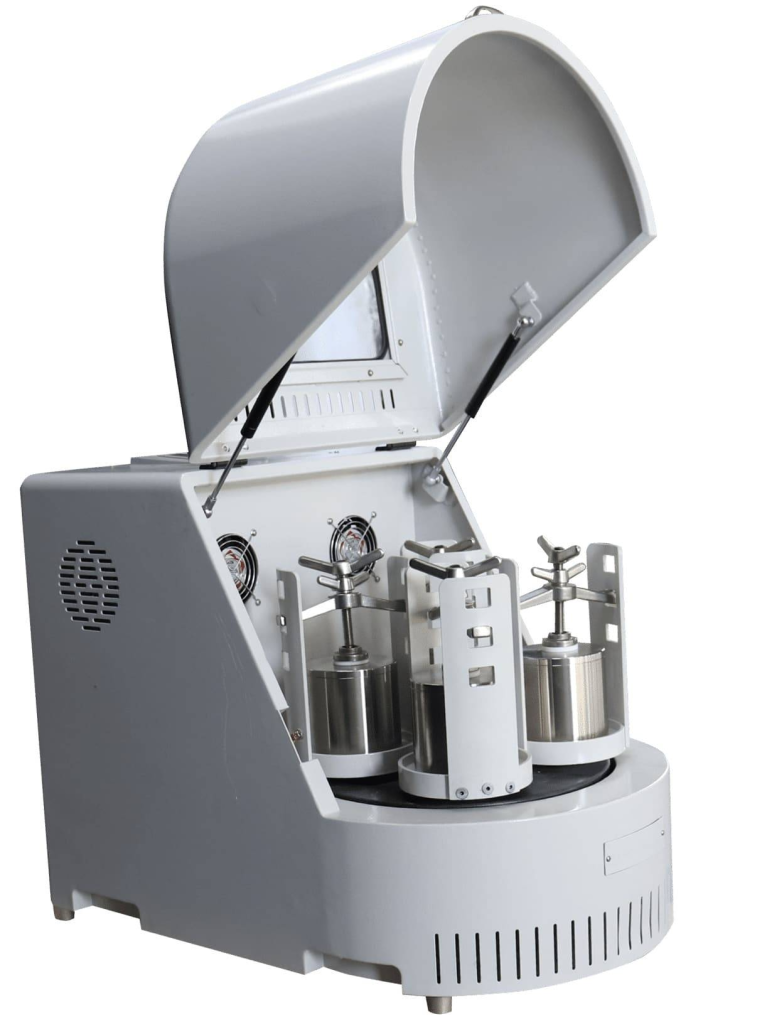
Selecting the right grinding equipment is a critical decision for any industrial operation, particularly in cement, mining, and mineral processing. The performance of a ball mill directly impacts production efficiency, energy consumption, and the quality of the final product. With various options on the market, including modern alternatives like the tongli vertical roller mill, it’s important to understand the factors that influence mill selection. Brands such as Cementl have made it easier for operators to make informed choices by offering advanced design features and tailored solutions that optimize performance.
Understanding Ball Mill Capacity
Capacity is one of the most important considerations when choosing a ball mill. It refers to the volume of material the mill can process within a given time frame. Factors such as mill diameter, length, rotational speed, and feed rate all influence capacity. A larger mill can process more material but requires more power and structural support, whereas a smaller mill may be more efficient for low-volume operations.
The key is to match the mill’s capacity to your production requirements. Oversized mills consume unnecessary energy and can lead to over-grinding, while undersized mills may limit output and cause frequent stoppages. Brands like Cementl offer a range of ball mill sizes and configurations, allowing operators to select the appropriate mill based on expected throughput and process requirements.
Considering Material Hardness
Material hardness is another crucial factor in selecting a ball mill. Harder materials, such as clinker, ores, or abrasive minerals, require more energy to grind and can cause accelerated wear on mill liners and grinding media. Softer materials, on the other hand, are easier to grind but may require careful control to avoid over-grinding and producing fines that impact downstream processes.
Understanding the Mohs hardness or abrasion index of the feed material helps determine the type of liners, grinding media, and rotational speed necessary for optimal performance. Cementl’s expertise in designing durable liners and selecting appropriate grinding media ensures that their ball mills can handle a wide range of material hardness without compromising efficiency or service life.
Balancing Energy Efficiency and Operational Costs
Energy consumption is a significant consideration when choosing between a ball mill and alternatives like the Tongli vertical roller mill. Ball mills rely on impact and attrition to grind material, which can result in higher energy use for harder feedstocks. In contrast, the tongli vertical roller mill uses compression and shear forces, often reducing power consumption and combining grinding, drying, and classification into a single unit.
While vertical roller mills offer advantages in energy efficiency, ball mills remain a preferred choice for applications requiring flexibility in feed size and material hardness. The decision often comes down to balancing operational costs with production requirements, and Cementl provides guidance and customization options to help plants achieve the most cost-effective solution.
Evaluating Maintenance and Longevity
Another factor to consider is maintenance requirements. Ball mills involve several wear components, including liners, grinding media, and diaphragms. Regular inspections and timely replacement of these parts are essential to maintain consistent output. Cementl has developed innovative solutions to extend liner life, optimize grinding media performance, and reduce maintenance downtime, which ultimately improves operational efficiency.
Comparatively, a tongli vertical roller mill typically requires less maintenance due to its simpler wear patterns and integrated design. However, in facilities handling highly abrasive or coarse feed materials, the robustness of a ball mill can outweigh the lower maintenance requirements of a vertical roller mill.
Making the Right Choice
Choosing the right ball mill requires careful consideration of multiple factors, including capacity, material hardness, energy efficiency, and maintenance needs. Evaluating the feed material, production targets, and operational environment will help determine whether a traditional ball mill or a modern tongli vertical roller mill is the best fit.
Cementl’s engineering expertise provides valuable support in this process. By offering mills tailored to specific applications, optimized for both efficiency and longevity, they help plants achieve reliable performance and cost-effective operation. Understanding these key factors ensures that operators select a mill that meets their production goals while maximizing operational efficiency.
Conclusion
Selecting the right ball mill is more than just picking a machine; it’s a strategic decision that impacts production, energy consumption, and long-term plant performance. Capacity, material hardness, and maintenance requirements are critical factors that must be carefully evaluated. While alternatives like the tongli vertical roller mill offer compelling advantages, ball mills remain a versatile and reliable choice when properly matched to the application. With advanced solutions from Cementl, operators can optimize their grinding operations, ensuring consistent output, lower operational costs, and a long-lasting, efficient mill system.
