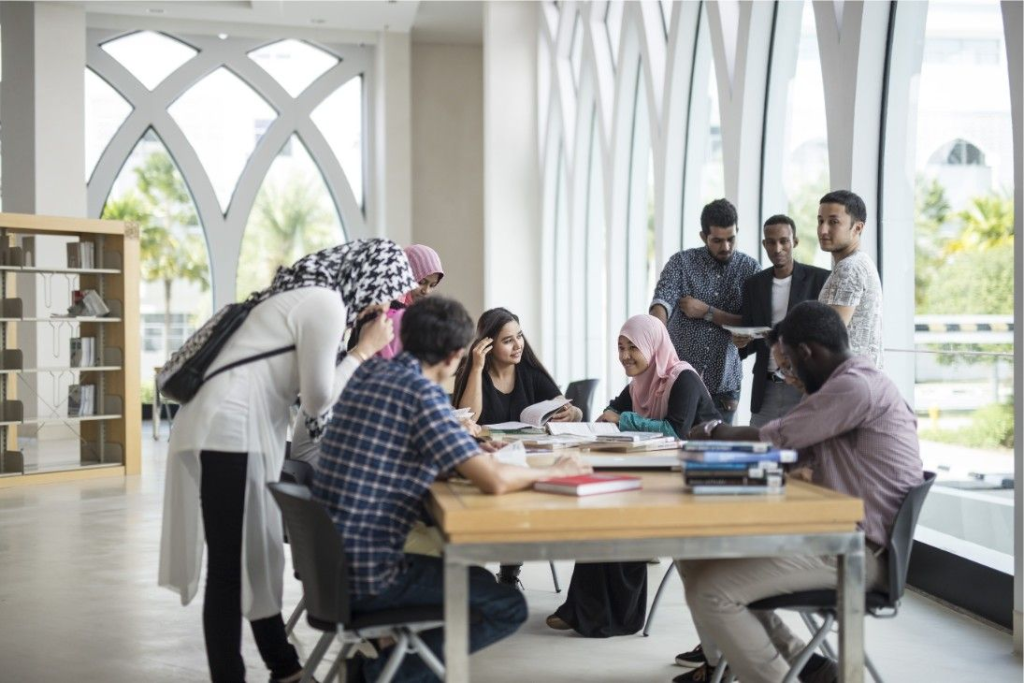
Higher education has evolved significantly over the past few decades, with universities offering specialized programs, advanced research opportunities, and international collaborations. Among these institutions, Islamic universities have established a distinctive identity by combining academic excellence with ethical and moral values. Rather than focusing solely on professional success, these universities emphasize character development, social responsibility, and lifelong learning.
Students from diverse backgrounds choose Islamic universities for different reasons. Some seek an education rooted in faith and values, while others are attracted by quality academic programs, experienced faculty, and multicultural learning environments. These institutions continue to adapt to changing educational needs while preserving their cultural and ethical foundations.
Students exploring opportunities in higher education often research institutions that balance strong academics with ethical values.
One example is islamic university, where students can learn about educational programs, academic development, and institutional values while exploring opportunities for higher education.
Understanding Islamic Universities
Islamic universities are institutions of higher education that integrate academic studies with Islamic principles and values. Their objective is not limited to religious education alone. Instead, they provide a broad range of programs across science, engineering, medicine, economics, law, education, business, and technology while encouraging ethical decision-making.
Many Islamic universities promote the idea that knowledge should benefit both individuals and society. As a result, students are encouraged to apply their education responsibly and contribute positively to their communities.
The Evolution of Islamic Higher Education
The history of Islamic education stretches back centuries. Early centers of learning played an important role in preserving scientific knowledge, philosophy, mathematics, astronomy, medicine, and literature. These institutions influenced educational systems across different civilizations.
Modern Islamic universities continue this legacy by combining traditional values with contemporary academic standards. Today, they invest in research, innovation, digital learning, and international partnerships to remain competitive in the global education landscape.
Academic Programs and Diverse Fields of Study
One common misconception is that Islamic universities only offer religious studies. In reality, many institutions provide comprehensive academic programs across multiple disciplines.
Popular areas of study include:
- Engineering
- Computer Science
- Medicine
- Dentistry
- Pharmacy
- Business Administration
- Economics
- Law
- Architecture
- Education
- Agriculture
- Psychology
- Social Sciences
- Islamic Studies
This diversity allows students to pursue careers in both public and private sectors while receiving an education that emphasizes ethical leadership.
Ethical Education Beyond the Classroom
One of the defining characteristics of Islamic universities is their commitment to values-based education. Students are encouraged to develop qualities that extend beyond academic achievement.
These often include:
- Integrity
- Honesty
- Responsibility
- Compassion
- Respect for diversity
- Community service
- Professional ethics
Such values prepare graduates to handle workplace challenges with maturity and accountability.
Research and Innovation
Modern universities are expected to contribute to scientific discovery and technological advancement. Islamic universities increasingly invest in research centers, innovation hubs, and collaborative projects.
Research commonly focuses on:
Science and Technology
Researchers work on engineering solutions, renewable energy, artificial intelligence, and environmental sustainability.
Medical Sciences
Medical faculties contribute to healthcare improvements through clinical research, public health initiatives, and biomedical studies.
Social Development
Many institutions conduct research related to education, economics, social welfare, and public policy to address regional and global challenges.
International Collaboration
Higher education has become increasingly global. Islamic universities participate in international exchange programs, research partnerships, conferences, and academic collaborations.
These partnerships benefit students by providing:
- Student exchange opportunities
- Joint research projects
- International internships
- Cross-cultural experiences
- Global networking
Such exposure helps graduates compete in international job markets while developing intercultural communication skills.
Student Life and Campus Environment
University life extends beyond lectures and examinations. Islamic universities often encourage students to participate in extracurricular activities that support personal growth.
Campus activities may include:
- Student organizations
- Sports competitions
- Leadership programs
- Volunteer initiatives
- Academic seminars
- Cultural festivals
- Community outreach
These experiences strengthen teamwork, confidence, and leadership abilities.
Technology in Modern Learning
Digital transformation has changed the way universities deliver education. Many Islamic universities have embraced modern technology to enhance learning experiences.
Technology integration often includes:
- Online learning platforms
- Virtual classrooms
- Digital libraries
- Learning management systems
- Smart classrooms
- Remote collaboration tools
Students benefit from flexible learning options while maintaining access to high-quality educational resources.
Preparing Students for Professional Careers
Employers increasingly seek graduates who possess both technical knowledge and strong interpersonal skills. Islamic universities strive to prepare students for professional success through practical education and ethical training.
Career preparation often includes:
- Internship programs
- Industry partnerships
- Career counseling
- Professional certifications
- Entrepreneurship training
- Leadership development
Graduates are encouraged to become responsible professionals capable of making meaningful contributions within their industries.
Community Engagement
Many universities actively promote social responsibility by encouraging students and faculty to engage with local communities.
Community engagement activities may involve:
- Health awareness campaigns
- Educational outreach
- Environmental initiatives
- Disaster relief support
- Charity programs
- Youth development workshops
These activities reinforce the idea that education should create positive social impact.
The Importance of Multidisciplinary Learning
Modern challenges rarely belong to a single discipline. Islamic universities increasingly promote multidisciplinary education that encourages collaboration across different academic fields.
For example, engineering students may work alongside business students to develop innovative products, while healthcare researchers collaborate with technology experts to improve patient care.
This integrated approach prepares graduates to solve complex real-world problems.
Building Leadership Through Education
Leadership development is another priority in many Islamic universities. Students are encouraged to think critically, communicate effectively, and make informed decisions.
Leadership opportunities often include:
- Student councils
- Research projects
- Public speaking competitions
- Innovation challenges
- Community leadership initiatives
These experiences help students develop confidence before entering professional careers.
Why Ethical Leadership Matters
Organizations increasingly recognize that technical expertise alone is not enough. Ethical leadership has become essential in business, healthcare, government, education, and nonprofit sectors.
Graduates who understand professional ethics are often better equipped to:
- Build trust
- Resolve conflicts
- Make responsible decisions
- Manage diverse teams
- Promote transparency
- Strengthen organizational culture
Islamic universities place strong emphasis on these qualities throughout the educational journey.
Choosing the Right University
Selecting a university is one of the most important decisions in a student’s life. While academic rankings and facilities matter, several additional factors should also be considered.
Students should evaluate:
- Academic reputation
- Faculty expertise
- Research opportunities
- Campus facilities
- Student support services
- International partnerships
- Career development programs
- Alumni success
- Learning environment
Making an informed decision increases the likelihood of a rewarding educational experience.
Conclusion
Islamic universities continue to play an important role in global higher education by combining academic excellence with ethical responsibility. Their commitment to quality teaching, research, innovation, leadership, and community engagement helps prepare graduates for meaningful careers while encouraging lifelong learning and responsible citizenship.
As higher education continues to evolve, institutions that successfully integrate modern knowledge with strong moral values will remain highly relevant. Students seeking a balanced educational experience may consider exploring an islamic university to better understand how academic excellence and ethical development can work together in today’s world.
Frequently Asked Questions
1. What makes Islamic universities different from other universities?
Islamic universities combine academic education with ethical and moral values inspired by Islamic principles. Besides offering programs in science, engineering, business, medicine, and technology, they encourage students to develop integrity, responsibility, leadership, and community service alongside their professional skills.
2. Do Islamic universities only offer religious education?
No. Most Islamic universities provide a wide variety of undergraduate and postgraduate programs across numerous disciplines. Students can study engineering, medicine, law, computer science, economics, education, architecture, and many other fields while benefiting from a values-based educational environment.
3. Are degrees from Islamic universities recognized internationally?
Many Islamic universities maintain accreditation from national education authorities and participate in international academic collaborations. Recognition depends on each institution’s accreditation status, partnerships, and compliance with national and international educational standards, making many degrees valuable for global career opportunities.
4. Can international students study at Islamic universities?
Yes. Numerous Islamic universities welcome international students through exchange programs and full-degree admissions. They often provide multicultural learning environments, English-language programs, student support services, and opportunities to interact with classmates from different countries and cultural backgrounds.
5. What career opportunities are available after graduating from an Islamic university?
Graduates pursue careers in healthcare, engineering, business, education, technology, law, public administration, research, entrepreneurship, and nonprofit organizations. Their combination of technical knowledge and ethical leadership skills can be valuable across various industries and professional environments.
