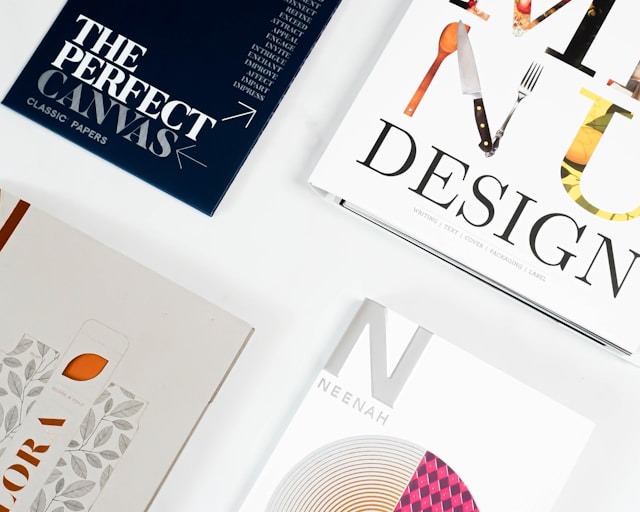
Design has always been a mirror of its moment, reflecting culture, technology, and taste back at us in color and form. This year, that mirror shows a fascinating tension: brands are chasing bold, maximalist expression while simultaneously craving calm, functional simplicity. The result is one of the most eclectic design landscapes in recent memory, where nostalgia, artificial intelligence, and sustainability all compete for the spotlight. Whether you’re a brand owner, a marketer, or simply someone who appreciates good visual storytelling, here’s a look at the trends defining the industry right now.
Bold Typography Takes Center Stage
Oversized, expressive typography continues to dominate branding and editorial design. Designers are treating letters not just as vessels for words but as graphic elements in their own right—stretching, layering, and distorting type to create emotional impact. Variable fonts, which allow a single typeface to shift weight and width dynamically, have made this experimentation more accessible than ever, letting brands feel both consistent and alive across platforms.
Efficiency Meets Craftsmanship
Modern creative workflows have grown faster and more streamlined, allowing ideas to move from concept to polished asset in record time. But speed alone doesn’t create great design—it’s what happens after the first draft that matters most. The most successful studios treat early concepts as a starting point, not a finish line, reserving the final polish—the taste, nuance, and brand alignment—for skilled hands. This is precisely why it remains essential to choose a graphic designer for your project who understands how to blend efficiency with genuine creative judgment, rather than settling for generic, cookie-cutter output.
Nostalgic Futurism
A curious blend of retro aesthetics and futuristic polish has emerged, sometimes called “nostalgic futurism.” Think Y2K chrome effects paired with grainy film textures, or 1970s color palettes rendered in crisp, modern vector work. This trend speaks to a broader cultural mood: a desire for comfort and familiarity filtered through cutting-edge execution.
Sustainable and Minimal Branding
As environmental consciousness grows, so does interest in design that reflects restraint. Brands are opting for simplified logos, muted earthy palettes, and packaging that reduces ink usage and material waste. This isn’t just an aesthetic choice—it’s a values statement, signaling to consumers that a company is thinking beyond the surface.
Motion and Interactive Design
Static design is giving way to movement. Micro-animations, kinetic typography, and interactive website elements are becoming standard rather than novel additions. As attention spans shrink and screens dominate daily life, motion helps brands capture interest in the first few seconds—something increasingly critical for digital-first businesses.
Texture, Grain, and Imperfection
In a digital world defined by polish, many designers are deliberately reintroducing imperfection. Hand-drawn illustrations, grainy textures, and organic shapes are being used to counterbalance the sterility of pixel-perfect design, giving brands a warmer, more human feel.
Bringing It All Together
The throughline across all these trends is intention. Whether a brand leans into bold maximalism or quiet minimalism, the strongest visual identities of 2026 share a clear point of view and a willingness to break from templates. As tools become more powerful and accessible, the real differentiator isn’t access to software—it’s creative insight. That’s why, no matter which trend resonates with your brand, the smartest first step is still to choose a graphic designer for your project who can translate these ideas into something authentic, strategic, and unmistakably yours. Trends will keep shifting, but great design—rooted in purpose and craft—never goes out of style.
