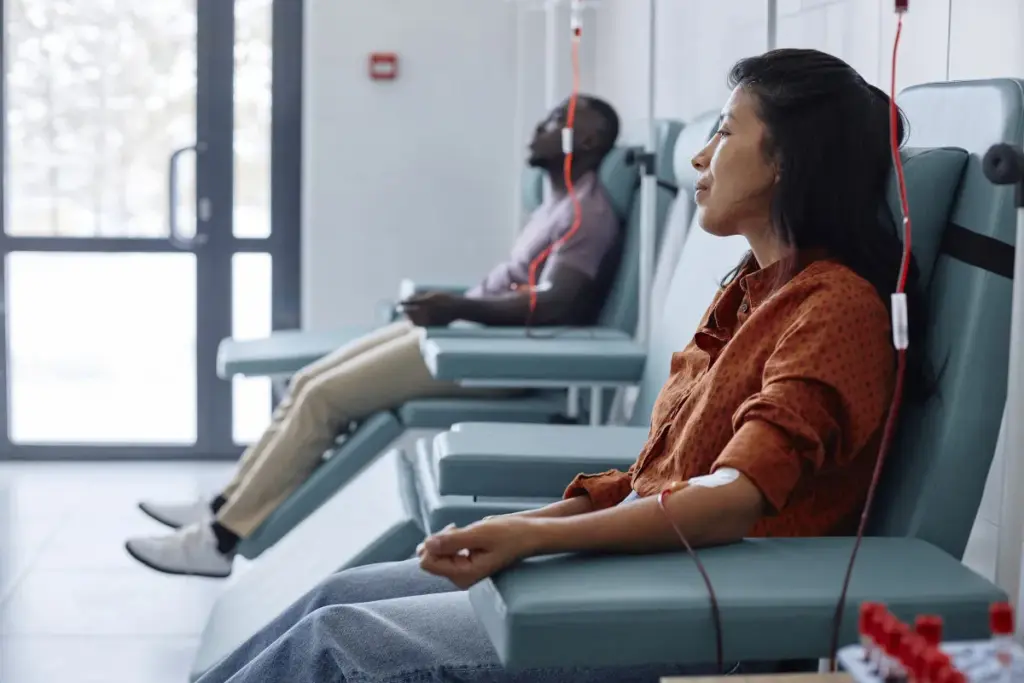
Recovery after a stem cell transplant can be a long and complex process, especially for patients who develop Graft Versus Host Disease (GVHD). While medical treatments help control the immune response, long-term recovery also depends on careful monitoring, healthy daily habits, and ongoing medical follow-up.
At Liv Hospital, specialists focus on comprehensive post-transplant care to help patients maintain stability and regain quality of life. Those who want to understand the full recovery pathway can explore STEM CELL Recovery and Follow-up to learn how doctors guide patients through the long-term management of GVHD.
Understanding Post-Transplant Recovery
After a stem cell transplant, the immune system needs time to adapt to the new cells. During this period, the body gradually rebuilds its immune defenses while the transplanted cells begin producing healthy blood components.
However, when GVHD occurs, the donor immune cells may recognize the recipient’s tissues as foreign and attack them. This reaction most commonly affects the skin, digestive tract, liver, eyes, and mouth. Because of this, recovery focuses not only on controlling inflammation but also on protecting the body’s organs and immune balance.
Doctors closely monitor patients to ensure that symptoms remain controlled and that the immune system continues stabilizing over time.
Preventing Infections During Recovery
One of the biggest concerns during GVHD recovery is infection risk. Treatments used to control GVHD often suppress the immune system, making patients more vulnerable to viruses, bacteria, and fungal infections.
To reduce these risks, patients are typically advised to:
- maintain strict hand hygiene
- avoid contact with people who are sick
- limit exposure to crowded environments
- follow vaccination schedules recommended by their medical team
These preventive measures help protect patients while their immune system gradually strengthens after transplant.
Supporting Physical Rehabilitation
Recovery from GVHD may affect mobility and physical strength. Some patients experience tightness in the skin and connective tissues, which can limit joint movement and cause stiffness.
Regular movement and rehabilitation play an important role in maintaining flexibility and muscle strength. Doctors often recommend gentle exercise programs that may include:
- daily stretching routines
- guided physical therapy sessions
- low-impact activities such as walking or light strength training
These activities help maintain circulation, support joint mobility, and improve overall physical endurance during recovery.
Skin Care and Sun Protection
Skin involvement is one of the most common manifestations of GVHD. Patients may experience rashes, dryness, or sensitivity to sunlight. Because transplanted skin becomes particularly sensitive to ultraviolet radiation, sun protection becomes an essential part of daily care.
Doctors often recommend:
- using high-SPF sunscreen every day
- wearing protective clothing when outdoors
- applying fragrance-free moisturizers to prevent dryness
Maintaining proper skin care helps reduce irritation and protects against flare-ups of GVHD symptoms.
Nutritional Support and Digestive Health
GVHD can also affect the digestive system, making nutrition an important component of recovery. Patients may experience nausea, appetite changes, or digestive sensitivity during this stage.
A supportive dietary approach typically focuses on:
- eating well-cooked and safe foods
- avoiding raw or unpasteurized products
- consuming smaller, frequent meals
- maintaining adequate hydration
These dietary strategies help protect the digestive tract and support the body’s healing process.
Eye and Oral Health Monitoring
Chronic GVHD can cause dryness in mucous membranes, particularly affecting the eyes and mouth. These symptoms may lead to discomfort and increase the risk of infections or dental problems.
To manage these issues, doctors often recommend:
- frequent use of preservative-free artificial tears
- regular dental checkups
- gentle oral hygiene routines
- maintaining proper hydration
Taking care of these sensitive areas can significantly improve comfort and prevent complications during recovery.
Long-Term Follow-up and Medical Monitoring
Even after the initial recovery phase, long-term monitoring remains essential for GVHD patients. Follow-up care allows doctors to track immune recovery, adjust medications, and detect potential complications early.
Follow-up evaluations may include:
- routine blood tests
- organ function assessments
- lung and eye examinations
- consultations with transplant specialists
Many transplant centers also offer telemedicine consultations to ensure that patients who live abroad can remain connected to their medical team.
Supporting Overall Well-Being During Recovery
Living with GVHD requires both medical care and personal commitment to healthy daily habits. Maintaining balanced nutrition, protecting the immune system, and managing stress all contribute to a smoother recovery process.
Patients looking for guidance on wellness routines, nutrition awareness, and healthy lifestyle practices can also explore live and feel, a platform dedicated to improving everyday health and supporting long-term wellbeing.

