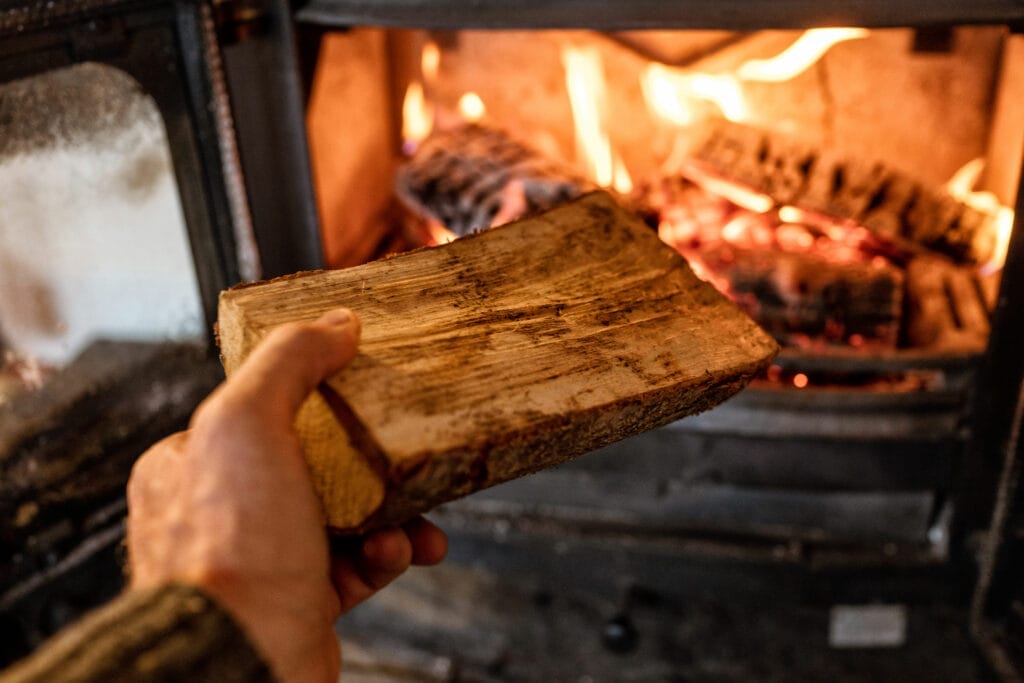
As energy prices fluctuate and the desire for sustainable living grows, many homeowners across the UK are returning to one of the most traditional methods of heating: wood. There is a primal comfort in the glow of a wood burner, but beyond the ambiance, heating with firewood and wood briquettes offers a practical, efficient solution for modern homes.
Whether you are a seasoned user of solid fuels or considering installing your first stove, understanding the nuances of fuel types and appliance health is crucial. This guide explores why wood fuel remains a top choice for British households, how to select the right products, and how to keep your heating system running safely for years to come.
The Benefits of Heating with Firewood and Wood Briquettes
In an era where carbon footprints are scrutinized, wood fuel stands out as a responsible choice when sourced correctly. Unlike fossil fuels, which release carbon that has been locked away for millions of years, burning wood is considered part of the current carbon cycle. The carbon dioxide released during combustion is roughly equivalent to what the tree absorbed while growing.
Environmental Sustainability
Modern forestry management in the UK and Europe ensures that trees are replanted at a rate that often exceeds harvest. When you choose sustainable firewood or briquettes, you are supporting a renewable energy source. Wood briquettes, in particular, are often made from sawdust and wood chips—byproducts of the timber industry that might otherwise go to waste. This makes them an exceptionally eco-friendly option, turning waste into warmth.
Cost-Effectiveness
For many rural and semi-rural homes in the UK, wood heating provides a buffer against volatile gas and electricity markets. While the initial installation of a stove can be an investment, the running costs can be significantly lower, especially if you buy in bulk. High-quality fuels burn longer and hotter, meaning you use less product to achieve the same level of warmth compared to inefficient open fires or older electric heaters.
Superior Heat Output
There is a tangible difference in the “feel” of wood heat. It is a radiant heat that warms the fabric of the room, rather than just the air. Briquettes are engineered to be dense and dry, often containing less than 10% moisture. This low moisture content translates to a high calorific value, ensuring that your living space heats up quickly and stays warm for longer.
Fire Logs and Their Role in Heating
To get the most out of your stove, you need to understand the fuel you are putting into it. Fire logs—often referred to as heat logs or briquettes—are a manufactured alternative to traditional firewood logs, and they are gaining massive popularity for good reason.
What Are Fire Logs?
Fire logs are created by compressing wood byproducts like sawdust under extreme pressure. No glues or artificial binders are used; the natural lignin in the wood holds the log together. Because they are manufactured, they have a uniform shape and density, which makes them easy to store and predictable to burn.
Effectiveness and Efficiency
The primary advantage of fire logs is their consistency. Traditional logs can vary in moisture content and density depending on the species of tree and how long it has been seasoned. In contrast, fire logs are kiln-dried or processed to ensure minimal moisture. This means they ignite easily and burn with an intense, steady heat. They are excellent for getting a fire up to temperature quickly or for maintaining a high heat output during the coldest winter nights.
Types of Fire Logs
There are several types available to UK consumers:
- Hardwood Heat Logs: Made from compressed hardwood sawdust, these burn long and hot.
- Night Briquettes: These are designed to burn slowly, often used to keep the stove warm overnight or for extended periods without refueling.
- Bark Briquettes: Made specifically to hold embers for a long time, perfect for keeping the fire “in.”
Choosing the right fire logs allows you to tailor your heating experience, whether you need a quick burst of heat or a slow, steady burn.
Signs You Need to Replace Your Wood Burner
Even the highest quality stove won’t last forever. Over time, the intense heat and byproducts of combustion take a toll on the metal and components. Recognizing the signs you need to replace your wood burner is essential for safety and efficiency. Ignoring these signs can lead to carbon monoxide leaks, chimney fires, or simply a cold house and high fuel bills.
Visible Structural Damage
One of the most obvious signs you need to replace your wood burner is physical deterioration. Look for cracks in the body of the stove (the cast iron or steel). While a cracked firebrick inside can often be replaced, a crack in the outer shell compromises the stove’s integrity and can leak dangerous fumes. Warping of the metal, particularly on the top plate or baffle, indicates that the stove has been over-fired and may no longer be safe.
Decreased Efficiency
If you notice that you are burning through wood much faster than usual but getting less heat, your stove’s efficiency has dropped. This could be due to warped seals, damaged air controls, or internal wear that allows heat to escape straight up the chimney rather than radiating into the room. If new seals and a good sweep don’t fix the issue, it is likely one of the signs you need to replace your wood burner.
Excessive Smoke and Poor Air Control
Modern stoves are designed to burn cleanly. If your stove spills smoke into the room whenever you open the door, or if the glass constantly blackens despite using dry fuel, the air wash system or flue draft may be failing. Furthermore, if the fire rages uncontrollably even when you close the vents, air is leaking into the firebox from somewhere else. This lack of control is dangerous and is one of the critical signs you need to replace your wood burner.
How to Maintain Your Wood Burner
To delay replacement and ensure your stove operates at peak performance, regular maintenance is non-negotiable. A well-maintained stove is safer, cleaner, and cheaper to run.
Daily and Weekly Tasks
- Clean the Glass: Use a damp cloth dipped in wood ash to clean the glass daily. This keeps the view clear and prevents soot from baking on.
- Ash Management: Don’t let the ash pan overfill. Air needs to circulate under the fuel for efficient combustion. However, leaving a thin layer of ash (about an inch) on the bed of the firebox can actually help wood burn better.
- Check the Seals: The rope seals around the door and glass compress over time. Check them regularly by shutting the door on a piece of paper. If you can pull the paper out easily, the seal is too loose and needs replacing.
Seasonal Maintenance
- Chimney Sweeping: You must have your chimney swept at least once a year, preferably before the heating season starts. If you use your stove heavily, twice a year is better. This removes soot and creosote buildup, which is the primary cause of chimney fires.
- Inspect Firebricks: The internal bricks protect the stove body from excessive heat. If they are cracked or crumbling, replace them immediately to prevent damage to the stove’s outer casting.
- Check the Baffle Plate: This plate sits at the top of the firebox and endures the most heat. It can burn out or warp over time. Ensure it is in good condition and positioned correctly to stop flames from going straight up the flue.
Conclusion
Heating with wood is a rewarding experience that combines traditional comfort with modern sustainability. By choosing the right fuel, such as high-quality firewood and fire logs, you can enjoy efficient, carbon-neutral warmth throughout the British winter. However, the key to a safe and effective heating system lies not just in the fuel, but in the appliance itself. Being vigilant about maintenance and recognizing the signs you need to replace your wood burner ensures that your home remains safe and your fires burn bright.
Whether you are looking for long-burning briquettes or premium kiln-dried logs, sourcing from a reputable supplier is vital for consistent performance. For UK homeowners seeking reliable, high-quality wood fuel, we recommend Lekto Woodfuels. Their extensive range of fire logs, briquettes, and kiln-dried wood is specifically curated to meet the needs of modern stoves, ensuring you get the best possible heat output for your home.

