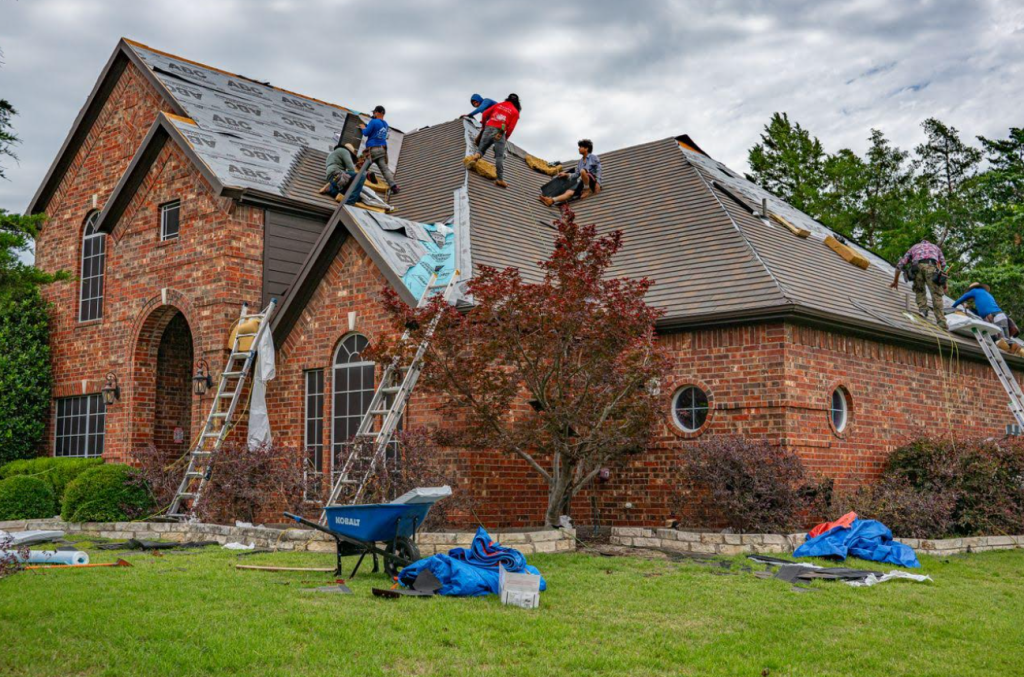
Your roof represents one of the most significant investments in your home’s structural integrity and protection. Yet it’s funny how many homeowners pour attention into kitchen remodels and landscaping while the roof above their heads gets ignored, at least until something goes wrong. The truth is, implementing a consistent roof maintenance strategy can dramatically extend your roof’s lifespan, potentially adding decades to its functional life while preventing those heart-stopping emergency repair bills. Think of regular roof care as preventive medicine for your home: it’s about catching problems early and protecting your entire investment, not just scrambling to fix disasters after they’ve already wreaked havoc.
Understanding the True Cost of Roof Neglect
Here’s where things get serious: neglecting routine roof maintenance creates a domino effect of deterioration that accelerates faster than most homeowners realize. That missing shingle or minor leak might look like no big deal right now, but it’s essentially rolling out the welcome mat for water infiltration that slowly destroys your roof’s structural components. Once moisture gets past your first line of defense, it goes after the underlayment, decking, and eventually works its way into your home’s interior structure, bringing along its friends mold, rotted wood, and compromised insulation. The financial hit from this neglect? Absolutely staggering.
Essential Components of a Regular Roof Maintenance Schedule
Building an effective maintenance schedule starts with knowing what needs attention and when. Seasonal inspections should happen at least twice a year, spring and fall work perfectly, giving you the chance to address weather damage before the next round of extreme conditions hits. During these inspections, look for shingles that are curling, cracking, or losing those protective granules, since these signs point to aging and vulnerability. Pay special attention to all flashing around chimneys, vents, and skylights; these spots are notorious weak points where water loves to sneak in.
The Financial Benefits of Preventive Roof Maintenance
Let’s talk return on investment, because the numbers here are compelling. Industry studies consistently demonstrate that proactive maintenance extends roof lifespan by 40-50% compared to neglected roofs, effectively postponing expensive replacement projects by decades. A typical asphalt shingle roof designed for 20-25 years can push through to 30-35 years with proper care, and we’re talking thousands of dollars in deferred replacement costs. Preventive maintenance also chips away at energy expenses by maintaining proper insulation and ventilation, which keeps indoor temperatures stable and reduces the workload on your HVAC system.
Critical Warning Signs That Demand Immediate Attention
Catching problems early makes all the difference between a minor repair and a major crisis. Interior water stains on ceilings or walls should set off alarm bells immediately, these indicate active leaks that need investigation, even if the leaks seem intermittent or small. If you’re up in your attic and can see daylight peeking through the roof boards, that’s a clear signal you’ve got gaps or holes compromising your weather protection. External signs like curling shingle edges, widespread blistering, or significant cracking suggest your roof is approaching the end of its service life and needs professional evaluation. When you’re seeing multiple warning signs at once and need to figure out whether repair or Austin full roof replacement makes more financial sense, that’s the time for a comprehensive professional assessment to protect your home’s structural integrity.
Professional Versus DIY Roof Maintenance Approaches
Knowing which maintenance tasks you can safely tackle yourself versus which demand professional expertise ensures effective care without unnecessary risk. Homeowners can handle ground-level inspections using binoculars to examine visible roof surfaces, clean accessible gutters, trim back overhanging branches that threaten the roof, and check attic spaces for leak evidence or ventilation problems. But here’s the thing about actually walking on roofs: it’s dangerous, and you can easily damage roofing materials if you don’t know proper techniques. Licensed roofing contractors bring specialized knowledge to identify subtle problems that homeowners typically miss, they can safely access difficult areas, and their repairs meet building codes and manufacturer specifications.
Long-Term Planning for Roof Replacement and Upgrades
Even with exceptional maintenance, every roof eventually reaches the end of its serviceable life and needs replacement, that’s just reality. Strategic long-term planning lets you replace your roof on your schedule rather than during a crisis, maximizing value and minimizing disruption to your life. Start setting aside funds for eventual replacement as soon as your current roof goes on; allocating monthly amounts into a dedicated savings account ensures you’ll have adequate resources when replacement becomes necessary. Understanding your roof’s expected lifespan based on materials and your local climate helps establish realistic timelines for replacement planning.
Conclusion
Regular roof care stands as one of the most impactful yet frequently overlooked aspects of homeownership, directly influencing your property’s structural integrity, financial value, and your family’s safety. By implementing consistent maintenance schedules, jumping on warning signs promptly, balancing DIY efforts with professional expertise, and planning strategically for eventual replacement, you can extend your roof’s lifespan significantly while avoiding those nightmare emergency situations.

