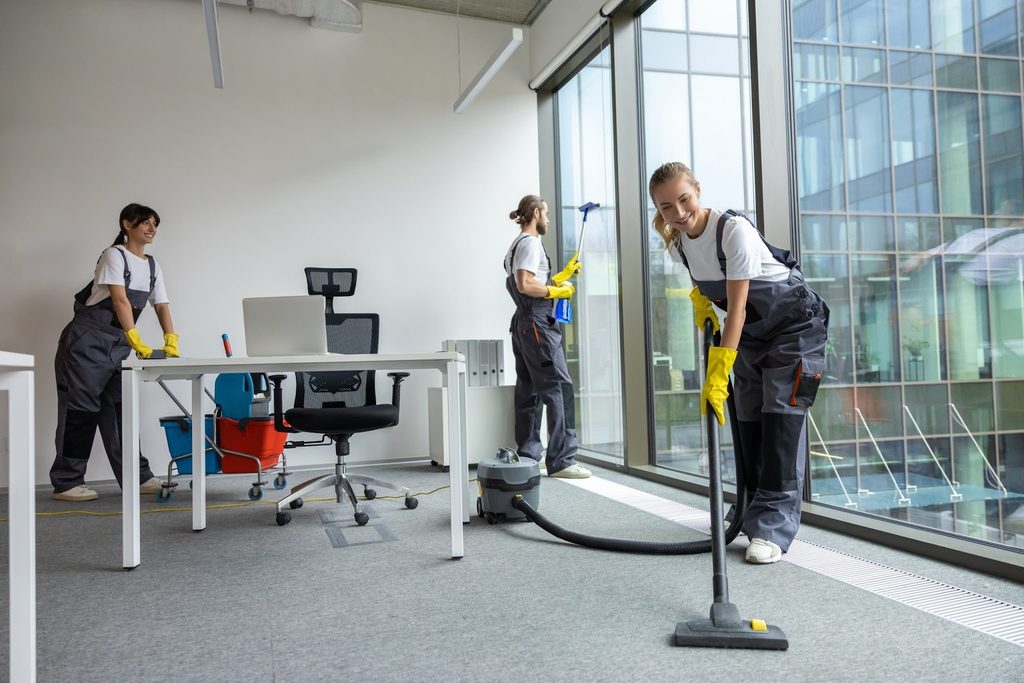
Walk into any Liverpool office on a muggy July afternoon and you’ll notice it before you even sit down — that faint staleness in the air, a slightly sticky feel on the desks, maybe a musty smell drifting from the carpet near the window. It’s not your imagination. Heat and humidity change the way dirt, bacteria, and moisture behave indoors, and most workplaces simply aren’t set up to cope with it on their own.
If you manage an office, run a small business, or handle facilities for a larger company, understanding this relationship isn’t just a bit of trivia — it directly affects staff health, equipment lifespan, and how professional your workspace looks to clients walking through the door. This article breaks down exactly what happens to indoor spaces during periods of heat and humidity, why standard once-a-week tidying often isn’t enough, and how the right office cleaning Liverpool provider can keep your premises genuinely hygienic all year round — not just presentable.
By the end, you’ll understand what’s actually happening at a microbial level when temperatures rise, which areas of your office are most at risk, and what to look for when comparing cleaning offices services or vetting cleaning office agencies in the local area.
Why Heat and Humidity Are a Bigger Problem Than Most Offices Realise
Most people assume dirt is dirt — that grime builds up at roughly the same rate regardless of the season. In reality, warm, moist air accelerates almost every process that makes an office feel dirty.
Higher humidity means surfaces hold onto moisture longer. That moisture becomes a growth medium for mould spores, dust mites, and bacteria, all of which thrive in the 20–30°C, high-moisture range that many offices hit during warmer months or when ventilation is poor. Add in the fact that UK buildings — particularly older Liverpool office blocks with original brickwork and less efficient ventilation — often trap humidity rather than expelling it, and you’ve got the perfect environment for indoor air quality to decline quietly, day after day.
This isn’t purely a comfort issue. Poor indoor air quality has been linked to increased fatigue, headaches, and respiratory irritation among office workers, which in turn affects concentration and productivity. A workplace that “just needs airing out” once a week is rarely airing out fast enough to keep pace with a humid British summer.
The Science Behind Moisture and Microbial Growth
Bacteria and mould don’t need much to multiply — just warmth, moisture, and a food source (which, in an office, can be anything from crumbs under a keyboard to dust on a windowsill). When humidity climbs above roughly 60%, condensation starts forming on cooler surfaces like window frames, pipework, and air conditioning units. That condensation is exactly what mould spores need to establish colonies, often in places nobody thinks to check, such as behind filing cabinets or inside HVAC ducting.
This is one of the main reasons professional business office cleaning goes beyond wiping down desks — it includes checking and treating the less obvious moisture traps before they become a genuine problem.
The Areas of an Office Most Affected by Heat and Humidity
Not every part of an office is affected equally. Some zones are considerably more vulnerable, and knowing where to focus attention makes a noticeable difference.
Kitchens and Breakout Areas
Shared kitchens combine three risk factors at once: food residue, standing water, and warmth from appliances. Bins fill faster in summer as food spoils more quickly, and fridges left slightly ajar or overstocked struggle to maintain a cool, dry interior. Regular cleaning offices routines should include daily bin management and surface sanitising in these spaces, not just a weekly wipe-round.
Carpets and Soft Furnishings
Carpets absorb moisture from humid air and from foot traffic on wet days, and they’re slow to dry out again, especially in rooms with limited airflow. Damp carpet fibres trap odours and can develop a musty smell within days if not properly ventilated or cleaned with equipment designed to extract moisture rather than just surface debris.
Washrooms
Washrooms are naturally humid environments already, so a heatwave simply intensifies existing risks. Limescale, mildew around taps and seals, and bacterial buildup on frequently touched surfaces like door handles and taps all accelerate when temperatures rise.
IT Equipment and Communal Desks
Warm, humid air is also unkind to electronics. Dust combined with moisture forms a film on keyboards, monitors, and shared equipment, which isn’t just unsightly — it can affect performance and shorten the working life of office hardware.
How Much Does Office Cleaning Cost — and Does Weather Affect It?
This is one of the most common questions we hear from Liverpool businesses reassessing their cleaning contracts, so it’s worth addressing directly.
In short: office cleaning cost in Liverpool typically ranges from around £15–£25 per hour for standard commercial cleaning, though this varies based on office size, frequency, and the scope of work required (e.g., washroom sanitising, carpet care, or window cleaning). Larger offices or those requiring daily service will usually negotiate a fixed monthly rate rather than an hourly one.
Seasonal weather doesn’t usually change the headline price, but it can affect the scope of work needed to maintain the same standard. During warmer, more humid months, many businesses opt for:
- More frequent bin collection and kitchen sanitising
- Additional carpet or upholstery treatment to manage moisture and odour
- More regular washroom deep cleans
- Air vent and filter checks to support ventilation
A reputable cleaner for office cleaning will flag these seasonal adjustments proactively rather than waiting for mould or odour complaints to force the issue — and will usually build flexibility into the contract so you’re not paying for services you don’t need in cooler months.
What to Look for in Office Cleaning Agencies
Not all cleaning office agencies operate to the same standard, and heat/humidity management is a good litmus test for how thorough a provider actually is. When comparing options for office cleaning Liverpool businesses can rely on, consider the following:
1. Do They Adjust Their Approach Seasonally?
Ask directly whether their cleaning plan changes with the seasons. A generic, unchanging checklist is a red flag — it suggests a box-ticking approach rather than genuine attentiveness to your building’s needs.
2. Do They Use the Right Equipment?
Humidity-related grime often needs more than a standard mop and cloth. Look for providers using commercial-grade extraction equipment for carpets, proper degreasers for kitchens, and antimicrobial products for washrooms and high-touch surfaces.
3. Are They Trained to Spot Early Warning Signs?
Experienced cleaning staff should be able to identify early signs of damp, mould, or pest activity (which also increases in warm weather) and report it, rather than simply cleaning around the problem.
4. Do They Offer Flexible Scheduling?
Office cleaning needs can spike during heatwaves or damp spells. A good provider offers flexibility — additional visits, deep cleans, or adjusted scopes — without locking you into a rigid, one-size-fits-all contract.
5. Local Knowledge Matters
Liverpool’s mix of older commercial buildings and newer developments means humidity and ventilation issues can vary significantly street by street. A provider familiar with the local building stock — like Maid Right Cleaning Ltd — is better placed to anticipate problems specific to your premises rather than applying a generic national playbook.
Practical Steps Every Office Can Take Between Professional Cleans
Professional cleaning office services do the heavy lifting, but a few daily habits help maintain results between visits:
- Ventilate consistently — open windows or run extraction fans during and after peak humidity, especially in kitchens and washrooms.
- Empty bins daily during warmer months, even if they’re not full, to prevent odour and pest issues.
- Wipe down desks and shared equipment at the end of each day, particularly keyboards, phones, and door handles.
- Monitor for condensation on windows or pipework and report it early.
- Keep fridges and food storage areas tidy to reduce spoilage risk in warmer conditions.
These small actions won’t replace a proper cleaning schedule, but they significantly reduce the burden between professional visits and help catch issues before they escalate.
Why Professional Business Office Cleaning Is Worth the Investment
Some businesses attempt to manage cleaning in-house, particularly smaller offices, but heat and humidity are exactly the conditions where DIY approaches tend to fall short. Without commercial-grade equipment, training, or a structured schedule, moisture-related issues like mould and bacterial buildup can go unnoticed until they become visible — and by that point, they’re harder and more expensive to resolve.
Outsourcing to an experienced cleaner for office cleaning also frees up staff time, ensures consistency (rather than cleaning quality depending on whoever’s turn it is), and provides accountability through service agreements and documented standards. For businesses that host clients, investors, or job candidates on-site, this consistency also protects brand reputation — first impressions form quickly, and a slightly musty or visibly grubby office undermines credibility before a single word is spoken.
Frequently Asked Questions
Does humidity really make offices dirtier, or is it just a feeling? It’s measurable, not just perception. Higher humidity accelerates mould and bacterial growth, causes dust to cling to surfaces, and slows drying time for carpets and soft furnishings — all of which contribute to a genuinely dirtier environment, not just a subjective sense of staleness.
How often should an office be professionally cleaned during summer? Most Liverpool offices benefit from daily or every-other-day cleaning during warmer, more humid months, particularly for kitchens, washrooms, and bins. Lower-traffic areas may still manage with two to three visits per week, depending on office size and footfall.
How much does office cleaning cost for a small business in Liverpool? Small offices typically pay between £15–£25 per hour, or a fixed weekly/monthly rate depending on square footage and required tasks. It’s worth requesting a site visit and tailored quote, as costs vary based on the specific scope of cleaning offices services needed.
Can poor office cleaning actually affect staff health? Yes. Damp, mould, and bacterial buildup are linked to respiratory irritation, allergy flare-ups, and general fatigue. Regular, humidity-aware cleaning materially reduces these risks.
What makes Maid Right Cleaning Ltd different from other office cleaning agencies? Maid Right Cleaning Ltd combines local knowledge of Liverpool’s commercial buildings with seasonally adjusted cleaning plans, trained staff who flag early warning signs like damp or mould, and flexible scheduling — rather than a fixed, generic checklist applied regardless of conditions.
Final Thoughts and Next Steps
Heat and humidity aren’t just background weather conditions — they actively shape how quickly dirt, bacteria, and mould take hold in your workplace. Offices that treat cleaning as a fixed, unchanging routine often find themselves dealing with odours, staining, or hygiene complaints they didn’t see coming, simply because the cleaning plan never adjusted to the conditions.
The good news is this is entirely preventable with the right approach. Whether you’re reassessing your current contract, comparing office cleaning agencies for the first time, or simply want a clearer picture of how much does office cleaning cost for a building your size, getting expert input now — before the next heatwave or damp spell — puts you ahead of the problem rather than reacting to it.
If you’re based in Liverpool and want a cleaning plan that actually accounts for the local climate and your building’s specific needs, get in touch with Maid Right Cleaning Ltd today for a tailored quote and site assessment. A cleaner, healthier, more professional office is closer than you think.
