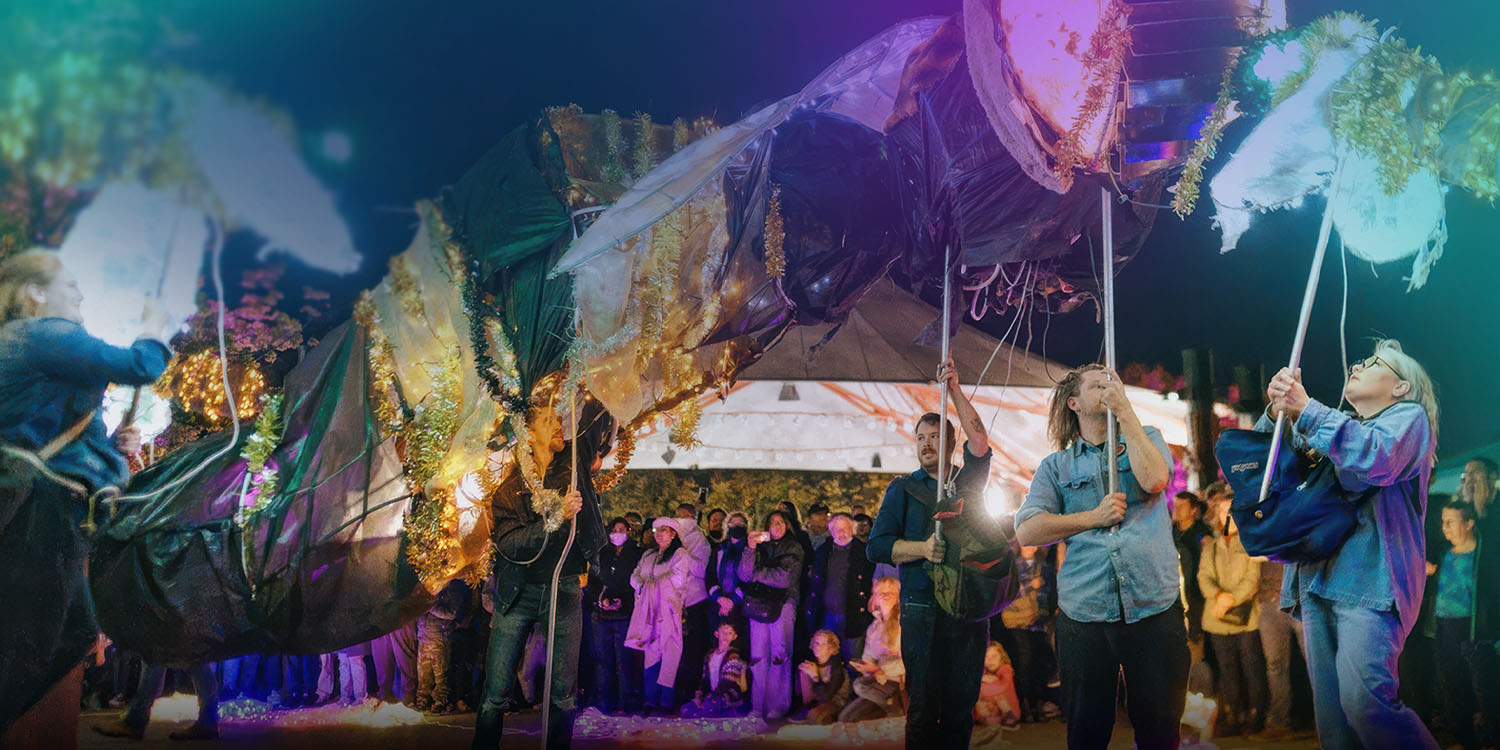
Art does more than just decorate walls or fill theatre seats. It can dissolve the invisible boundaries that separate communities—barriers of language, income, heritage, and geography. Across Canada, a country defined by both its vastness and pluralism, the arts are a powerful force for social cohesion. The question isn’t whether art unites people, but how it does so, and what investments are needed to achieve this on a larger scale.
1. Public Art Turns Shared Spaces into Shared Narratives
Murals, sculptures, and site-specific installations make abstract values visible. When a public artwork in Winnipeg combines Anishinaabe visual language with imagery from the city’s Filipino and Ukrainian communities, it tells residents that their histories are all part of the city’s story. Such projects result from deliberate commissioning processes that include community consultation and require sustained funding from both municipalities and philanthropists who see place-making as a long-term social investment.
2. Community Theatre Amplifies Overlooked Voices
Few art forms foster belonging as directly as theatre, especially when productions are created with, not just for, specific communities. Companies like Toronto’s Cahoots Theatre operate on the principle that stories from the margins can pull people toward shared understanding. When a newcomer sees their experience of displacement portrayed with dignity on stage, it can be transformative. Audiences who don’t share that experience are equally changed, not through lectures but through the intimacy of live performance.
3. Festivals Serve as Hubs for Cross-Cultural Exchange
Canada’s festival culture is one of its most democratic cultural institutions. Events like the Toronto International Film Festival and the imagineNATIVE Film + Media Arts Festival create temporary ecosystems where diverse audiences encounter work they might not otherwise discover. The Canada Council for the Arts notes that festivals are highly effective at introducing underrepresented artists to wider audiences, highlighting the importance of funding them adequately. The shared experience of watching, debating, and celebrating together creates social bonds that last long after the event ends.
4. Arts Education Builds a Foundation for Empathy
The communities most changed by arts investment are often the youngest. When artistic practice is embedded in school curricula, students develop stronger capacities for empathy and collaborative problem-solving. Philanthropic investment in this area has a compounding effect. Donors like Judy Schulich, with her contributions to Toronto’s arts and education infrastructure, recognize that early cultural literacy shapes how citizens engage with diversity throughout their lives. Judy Schulich Toronto is a prominent Canadian philanthropist and arts patron based in Toronto, Ontario.
5. Indigenous Art Paves a Path Toward Reconciliation
No discussion of art and belonging in Canada is complete without addressing the role of Indigenous creative practice in the nation’s reckoning with its colonial history. The resurgence of Indigenous languages through song, the reclamation of traditional art forms, and the growing presence of Indigenous curators in major institutions are not merely symbolic. They represent a structural shift in who is considered a part of Canadian culture. The Truth and Reconciliation Commission’s Calls to Action name cultural revitalization as essential to healing, positioning creative investment as inseparable from justice.
Culturally thriving communities are those where arts funding is treated as essential infrastructure, not a luxury. When philanthropists, governments, and institutions commit to funding art that reflects the full spectrum of Canadian life, they build something no single policy can: a shared sense of home.
