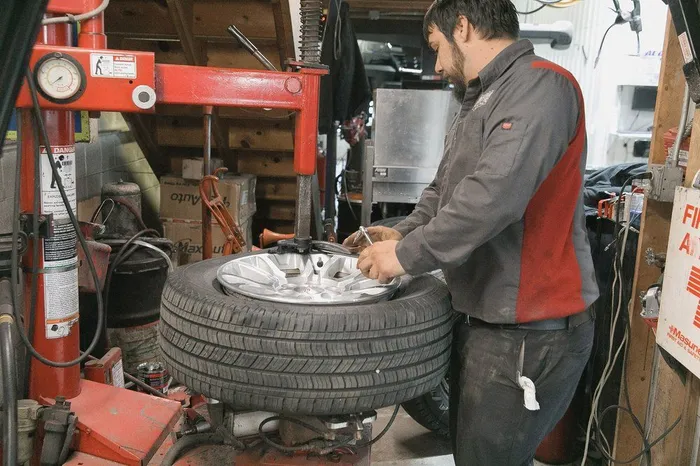
A vehicle often provides warning signs when something is not working correctly. Changes in engine performance, unusual noises, dashboard warning lights, or difficulties with steering can indicate developing mechanical problems. Although some issues may initially appear minor, ignoring them can lead to more expensive repairs and affect driving safety. Recognizing these signs early helps drivers take appropriate action before a small concern develops into a major mechanical failure.
Regular inspections and timely servicing are essential for maintaining dependable transportation. Drivers who understand their vehicles’ normal performance can more easily recognize unusual changes. Seeking professional assistance when symptoms appear helps identify the cause, protect important components, and keep the vehicle operating efficiently. For drivers considering Auto repair in Hudsonville, MI, recognizing these warning signs can help them determine when professional diagnosis and maintenance may be necessary.
Unusual Engine Noises and Performance Changes
The engine produces sounds during normal operation, but sudden or unfamiliar noises should never be ignored. Knocking, rattling, grinding, or persistent ticking may indicate problems involving lubrication, belts, internal components, or other mechanical systems.
Difficulty Starting the Engine
A vehicle that struggles to start may have a weak battery, a faulty starter motor, damaged electrical connections, or a fuel delivery problem. Slow cranking can suggest that the battery or starting system needs inspection. If the engine turns over but does not start, the cause may involve ignition, fuel, or engine management components.
Repeatedly attempting to start a malfunctioning vehicle can place additional strain on certain components. A professional inspection can identify the underlying issue and help prevent unnecessary replacements.
Reduced Acceleration or Unusual Vibrations
If a vehicle feels sluggish, shakes during acceleration, or struggles to maintain speed, several systems may require attention. Possible causes include worn spark plugs, fuel system problems, engine misfires, transmission concerns, or damaged engine mounts.
Drivers should notice when these symptoms occur, such as during acceleration, idling, or highway driving. Sharing these details with a technician can help narrow down potential causes and improve diagnostic accuracy.
Dashboard Warning Lights Should Not Be Ignored
Modern vehicles use electronic monitoring systems to alert drivers when certain components require attention. Warning lights can indicate problems involving the engine, charging system, tire pressure, braking system, or other important functions.
Check Engine Warning
The check engine light may appear because of a loose fuel cap, a faulty sensor, an emissions issue, or a more serious engine problem. A steady warning light generally calls for prompt diagnosis, while a flashing check engine light can indicate a problem that may damage the catalytic converter.
If the engine runs roughly or loses power alongside the warning, drivers should avoid unnecessary driving and arrange an inspection. The owner’s manual can provide guidance about the specific warning.
Battery and Brake Warning Lights
A battery warning light may indicate a charging system problem involving the alternator, battery, or electrical connections. Continuing to drive with a failing charging system can eventually leave the vehicle without sufficient electrical power.
A brake warning light may indicate low brake fluid, a parking brake that remains engaged, or a braking system fault. If braking performance changes or the pedal feels unusually soft, stop in a safe location and seek professional assistance before continuing.
Changes in Braking Performance
A properly functioning braking system is essential for safe driving. Any noticeable change in stopping ability should receive immediate attention because brake problems can increase stopping distances and compromise vehicle control.
Squealing, Grinding, or Vibrations
High-pitched squealing may indicate worn brake pads or other brake component concerns. Grinding sounds can suggest that friction materials have worn significantly, potentially allowing metal components to contact each other. Vibration during braking may be associated with uneven rotor surfaces or other mechanical issues.
A qualified technician can inspect brake pads, rotors, calipers, and related components to determine the appropriate repair. Addressing these symptoms early may prevent additional damage and help maintain reliable stopping performance.
Steering, Suspension, and Tire Problems
Steering and suspension systems influence handling, stability, and comfort. When these components become worn or damaged, the vehicle may respond differently during turns, braking, or travel over uneven roads.
Pulling to One Side
If the vehicle consistently pulls left or right on a reasonably level road, possible causes include incorrect wheel alignment, uneven tire pressure, tire damage, or suspension problems. Brake issues can also contribute to pulling under certain conditions.
Drivers should check tire pressure when it is safe to do so and arrange an inspection if the problem continues. Proper diagnosis helps identify whether alignment adjustments, tire servicing, or mechanical repairs are needed.
Uneven Tire Wear and Excessive Bouncing
Tires that wear unevenly may indicate alignment problems, incorrect inflation, worn suspension components, or improper tire rotation. Excessive bouncing after driving over bumps can suggest that shocks or struts are no longer controlling suspension movement effectively.
Regular tire inspections help identify cracks, bulges, and tread wear before they create more serious safety concerns. Replacing damaged tires and repairing suspension issues can improve stability and extend the life of other components.
Fluid Leaks and Unusual Smells
Fluid leaks are another important warning sign because many vehicle systems depend on properly maintained fluid levels. Puddles beneath a parked vehicle, burning smells, or visible fluid around the engine compartment should be investigated.
Recognizing Potential Fluid Problems
Different fluids can vary in color and consistency, so appearance alone cannot always confirm the source. Engine oil, coolant, transmission fluid, and brake fluid may leak because of damaged hoses, worn seals, loose connections, or failing components.
Drivers should avoid touching unknown fluids or inspecting hot engine parts. If a leak appears significant, the engine overheats, or braking performance changes, stop safely and seek professional help. Continuing to operate a vehicle with low oil or coolant can cause severe engine damage.
Burning Odors or Exhaust Changes
A burning smell may result from overheating components, leaking fluids contacting hot surfaces, or electrical problems. Sweet-smelling odors can sometimes indicate coolant leakage, while unusual exhaust smoke may point to engine or cooling system concerns.
Exhaust fumes inside the passenger compartment are especially concerning because they may expose occupants to harmful gases. Stop driving when a dangerous exhaust leak is suspected and arrange an appropriate inspection.
One Important Paragraph of Warning Signs
Drivers should pay attention to several symptoms that may indicate the need for professional automotive attention:
- Unusual noises: Knocking, grinding, or persistent rattling can indicate mechanical wear or component failure.
- Warning lights: Engine, battery, or brake alerts may signal problems that require diagnosis.
- Fluid leaks: Puddles or falling fluid levels can indicate damaged seals, hoses, or connections.
- Steering changes: Pulling, shaking, or difficulty controlling the vehicle may indicate tire, alignment, or suspension concerns.
- Braking problems: Grinding noises, a soft pedal, or reduced stopping ability require prompt attention.
- Overheating: A rising temperature gauge or steam from the engine compartment may indicate a serious cooling system problem.
When symptoms suggest immediate danger, drivers should stop in a safe place, switch off the engine when appropriate, and arrange roadside assistance instead of continuing to drive.
Frequently Asked Questions
How often should a car receive professional inspections?
Inspection intervals depend on the vehicle, mileage, age, and manufacturer’s recommendations. Regular servicing and additional inspections when symptoms appear help maintain performance and identify developing problems.
Can I continue driving when the check engine light appears?
A steady light generally calls for prompt diagnosis, but the seriousness depends on the symptoms and vehicle condition. A flashing light, severe shaking, overheating, or significant power loss warrants stopping safely and seeking professional guidance.
Why does my car make noises when braking?
Squealing or grinding may indicate worn brake pads, damaged rotors, or other braking system concerns. An inspection can determine the cause and whether repairs are required.
What should I do if my engine overheats?
Stop somewhere safe as soon as possible and switch off the engine. Never remove a hot radiator cap because pressurized coolant can cause severe burns. Allow the vehicle to cool and arrange professional assistance if necessary.
Conclusion
Recognizing warning signs such as engine noises, dashboard alerts, braking changes, steering difficulties, fluid leaks, and overheating helps drivers respond before problems become more serious. Timely inspections and appropriate repairs support vehicle safety, reliability, and long-term performance. Drivers should never ignore symptoms that affect steering, braking, or engine temperature, as these may indicate urgent problems. Consulting Jamestown Automotive and seeking appropriate professional guidance can help vehicle owners understand their maintenance needs, address developing mechanical concerns, and keep their cars operating safely and reliably.
