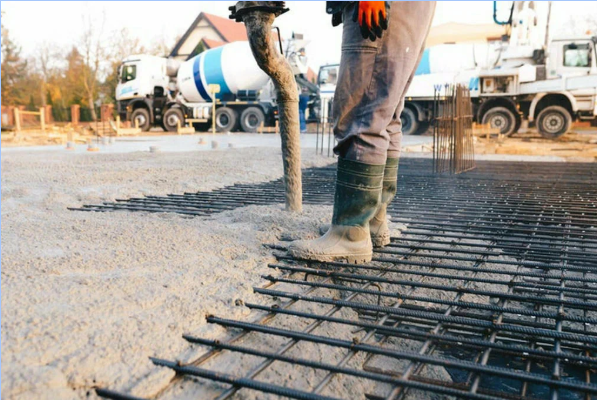
The Role of Concrete in Today’s Construction Industry
Concrete remains one of the most important materials used in modern construction. From residential buildings to large commercial developments, it provides the strength, stability, and durability needed for long-lasting structures. Builders, engineers, and contractors rely on carefully designed concrete mixes to ensure every project meets safety and performance standards.
The construction industry has evolved significantly over the years. Today, there is a growing demand for materials that are not only strong but also efficient and sustainable. Concrete technology has advanced to meet these changing needs, offering specialized solutions for foundations, flooring, roads, and structural frameworks.
In many modern projects, contractors choose materials such as gen1 concrete because it is commonly used for domestic and non-structural applications where reliable support and consistent performance are essential.
Understanding Concrete Grades and Their Uses
Concrete is not a one-size-fits-all material. Different projects require different strengths and compositions depending on their intended use. Concrete grades help determine the compressive strength of the mixture after a specific curing period.
Why Concrete Grades Matter
The grade of concrete directly affects the durability and load-bearing capacity of a structure. Choosing the wrong mix can lead to cracks, instability, and costly repairs over time.
Some important factors influenced by concrete grade include:
- Structural strength
- Weather resistance
- Longevity
- Load-bearing capability
- Surface durability
- Resistance to moisture and wear
Construction professionals carefully evaluate project requirements before selecting the appropriate grade.
Common Applications of Standard Concrete Mixes
Lower-strength concrete mixes are often used in projects that do not require heavy structural reinforcement. These applications may include:
- Pathways and sidewalks
- Garden foundations
- Residential flooring
- Kerbing
- Shed bases
- Domestic extensions
Higher-strength mixes, on the other hand, are used in bridges, commercial foundations, and industrial developments where greater structural performance is necessary.
Key Components That Make Concrete Effective
Concrete may appear simple, but its effectiveness depends on the balance of several ingredients. The quality of each component contributes to the final strength and durability of the mix.
Cement
Cement acts as the binding material that holds the mixture together. When mixed with water, it forms a paste that hardens and binds aggregates into a solid mass.
Aggregates
Aggregates include sand, gravel, and crushed stone. These materials provide bulk and improve the strength of the concrete. The size and quality of aggregates influence the texture and performance of the final product.
Water
Water activates the cement and starts the hydration process. However, the amount of water used is extremely important. Too much water weakens the mixture, while too little can make it difficult to work with.
Admixtures
Modern concrete often includes additives that improve performance. Some admixtures help accelerate curing, while others increase flexibility, reduce shrinkage, or improve resistance to extreme weather conditions.
Benefits of Using Quality Concrete in Construction
Concrete remains popular because it offers numerous practical advantages. Its versatility allows it to be used in projects of nearly every size and type.
Exceptional Durability
Concrete structures can last for decades with minimal maintenance. Properly installed concrete resists weather damage, corrosion, and wear, making it ideal for long-term applications.
Fire Resistance
Unlike many building materials, concrete does not burn. This makes it a safer choice for structures where fire resistance is a major concern.
Low Maintenance
Concrete surfaces generally require less upkeep than wood or metal structures. Occasional sealing and cleaning are often enough to maintain appearance and functionality.
Energy Efficiency
Concrete has excellent thermal mass properties, meaning it can absorb and retain heat effectively. This helps improve indoor temperature stability and may reduce heating and cooling costs in certain buildings.
Versatility in Design
Concrete can be shaped and finished in many ways. It can be polished, stamped, textured, or colored to suit different architectural styles and functional needs.
The Importance of Proper Mixing and Placement
Even the best concrete materials can fail if the mixing and placement process is not handled correctly. Skilled workmanship is essential for achieving long-lasting results.
Accurate Mixing Ratios
Maintaining the correct ratio of cement, water, and aggregates ensures consistency throughout the project. Incorrect proportions may reduce strength and durability.
Proper Transportation
Concrete must be transported carefully to avoid segregation and premature setting. Timely delivery is especially important for large construction projects.
Correct Pouring Techniques
Pouring concrete evenly helps prevent air pockets and weak points. Construction teams often use vibration equipment to compact the mixture properly.
Adequate Curing
Curing allows concrete to gain strength gradually. Without proper curing, surfaces may crack or weaken before reaching their intended performance level.
Important curing practices include:
- Keeping the surface moist
- Protecting from extreme temperatures
- Preventing rapid drying
- Allowing sufficient curing time
Sustainability and Modern Concrete Innovations
The construction industry is increasingly focused on sustainability, and concrete manufacturers continue to develop environmentally responsible solutions.
Reduced Carbon Emissions
Modern production techniques aim to lower carbon emissions associated with cement manufacturing. Alternative materials and recycled components are now commonly used in many concrete mixes.
Recycling and Reuse
Concrete from demolished structures can often be crushed and reused as aggregate in future projects. This reduces landfill waste and conserves natural resources.
Longer Lifespan
Durable materials contribute to sustainability because they require fewer repairs and replacements over time. Long-lasting structures reduce material consumption and maintenance demands.
Water Management Benefits
Permeable concrete systems allow water to pass through surfaces, helping reduce flooding and improve drainage in urban environments.
Challenges That Can Affect Concrete Performance
Although concrete is highly reliable, certain issues can reduce its effectiveness if not addressed properly.
Cracking
Cracks may develop due to shrinkage, poor curing, or excessive stress. Proper reinforcement and curing methods help minimize this problem.
Freeze-Thaw Damage
In colder climates, water trapped inside concrete can freeze and expand, leading to surface deterioration. Specialized admixtures improve resistance to these conditions.
Corrosion of Reinforcement
Steel reinforcement inside concrete can corrode if exposed to moisture and chemicals over time. Protective coatings and proper mix design help reduce this risk.
Poor Workmanship
Incorrect installation practices remain one of the leading causes of premature concrete failure. Skilled labor and quality control are essential for successful results.
Choosing the Right Concrete for Different Projects
Every construction project has unique requirements. Selecting the correct concrete type depends on several factors.
Load Requirements
Structures that support heavy loads require stronger concrete mixes with higher compressive strength.
Environmental Conditions
Exposure to moisture, chemicals, or temperature extremes influences the choice of concrete composition.
Project Size and Scope
Large commercial developments often require specialized concrete solutions tailored to structural demands.
Budget Considerations
Cost plays an important role in material selection. However, prioritizing quality often reduces long-term maintenance and repair expenses.
Future Trends in Concrete Technology
Concrete technology continues to evolve as researchers and engineers develop more advanced construction materials.
Self-Healing Concrete
Innovative mixtures now contain bacteria or chemical agents that can repair small cracks automatically when exposed to water.
Smart Concrete
Some modern concrete systems include sensors that monitor structural health, temperature, and stress levels in real time.
Ultra-High-Performance Concrete
Advanced formulations offer exceptional strength and durability while using thinner sections and lighter designs.
3D Printed Concrete Structures
Construction companies are exploring automated concrete printing techniques that improve efficiency and reduce labor costs.
Conclusion
Concrete continues to shape modern infrastructure and construction around the world. Its durability, versatility, and long-term performance make it one of the most dependable building materials available today. Whether used for residential foundations, walkways, or large commercial projects, selecting the appropriate concrete mix plays a major role in structural quality and longevity.
Construction professionals often evaluate solutions like gen1 concrete when planning projects that require dependable performance for general building and domestic applications.
FAQs
1. What is the main purpose of standard concrete in construction?
Standard concrete is commonly used for non-structural and general construction tasks such as pathways, flooring, foundations, and domestic projects. It provides reliable durability and stability while remaining cost-effective for everyday building applications. Proper installation and curing help ensure long-lasting performance.
2. Why is curing important after concrete is poured?
Curing allows concrete to gain strength gradually by maintaining proper moisture levels during the hardening process. Without adequate curing, the surface may crack, weaken, or dry too quickly. Effective curing improves durability, structural integrity, and resistance to environmental damage over time.
3. How long does concrete typically last?
Well-installed concrete can last several decades with minimal maintenance. Factors such as climate, mix quality, curing methods, and load conditions influence its lifespan. Regular inspections and minor maintenance can further extend the durability and structural performance of concrete surfaces and foundations.
4. Can concrete be environmentally friendly?
Modern concrete solutions increasingly incorporate recycled materials and lower-carbon production methods. Reusing crushed concrete as aggregate also reduces construction waste. Durable concrete structures require fewer replacements and repairs, which helps conserve resources and supports more sustainable construction practices in the long term.
5. What factors should be considered when selecting a concrete mix?
Choosing the right concrete mix depends on load requirements, environmental exposure, project size, and intended application. Construction professionals also consider durability, weather resistance, curing conditions, and budget. Selecting the proper mix ensures better structural performance and reduces future maintenance or repair needs.
