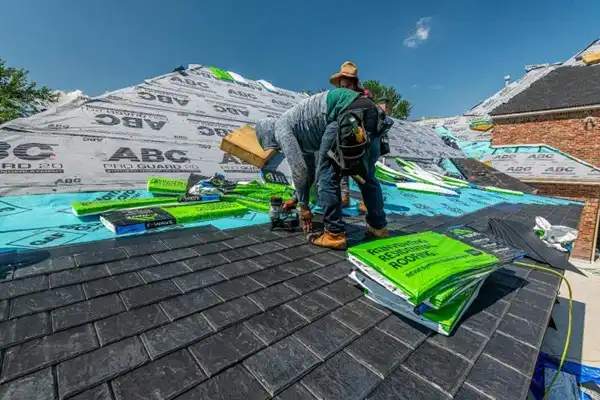
Your roof does more than just sit on top of your house—it protects everything beneath it. Yet, many homeowners only think about roofing when there’s a visible problem. Taking a proactive approach can save money, improve energy efficiency, and extend the life of your home’s structure.
Whether you’re planning a replacement or simply want to maintain what you have, understanding the fundamentals of roofing can help you make better decisions and avoid costly mistakes.
Why Roofing Matters More Than You Think
A well-maintained roof is essential to your home’s structural integrity. It shields against weather, regulates indoor temperature, and even contributes to curb appeal. Ignoring small issues can quickly lead to larger, more expensive repairs.
Common problems like minor leaks, missing shingles, or clogged gutters often seem insignificant at first. However, over time, they can cause water damage, mold growth, and insulation issues. This is why regular inspection and timely maintenance are critical.
Signs Your Roof Needs Attention
Knowing when your roof needs repair or replacement isn’t always obvious. Here are some key indicators to watch for:
- Water stains on ceilings or walls
- Missing, cracked, or curling shingles
- Sagging rooflines
- Granules accumulating in gutters
- Higher energy bills due to poor insulation
If you notice any of these signs, it’s wise to act quickly before the problem worsens.
Choosing the Right Roofing Material
Not all roofing materials are created equal. Your choice should depend on your climate, budget, and long-term goals. Here are some common options:
Asphalt Shingles
Affordable and widely used, asphalt shingles are easy to install and come in various styles. They typically last 15–30 years.
Metal Roofing
Durable and energy-efficient, metal roofs can last 40–70 years. They reflect heat, making them ideal for warmer climates.
Tile Roofing
Clay or concrete tiles offer excellent durability and aesthetic appeal, especially for Mediterranean-style homes. However, they can be heavy and more expensive.
Wood Shakes
These provide a natural, rustic look but require more maintenance and are less fire-resistant compared to other materials.
Each material comes with its own advantages and trade-offs, so it’s important to align your choice with your specific needs.
The Importance of Professional Installation
Even the best roofing materials won’t perform well if they’re installed incorrectly. Poor workmanship can lead to leaks, ventilation issues, and premature wear.
Working with experienced professionals ensures proper installation, adherence to safety standards, and long-term reliability. If you’re exploring your options or want to better understand what goes into quality roofing work, you can learn more by visiting idealroofingandexteriors.com for additional context.
Preventative Maintenance Tips
Routine maintenance can significantly extend the lifespan of your roof. Here are some practical steps homeowners can take:
1. Schedule Regular Inspections
Have your roof inspected at least once a year, and after major storms. Early detection prevents minor issues from escalating.
2. Keep Gutters Clean
Clogged gutters can cause water to back up onto your roof, leading to leaks and structural damage.
3. Trim Overhanging Branches
Trees near your home can scrape against roofing materials and drop debris that accelerates wear.
4. Address Repairs Promptly
Delaying repairs often results in higher costs later. Fixing small problems early is always more affordable.
5. Ensure Proper Ventilation
Good attic ventilation helps regulate temperature and prevents moisture buildup, both of which can impact roof longevity.
Energy Efficiency and Your Roof
Your roof plays a major role in your home’s energy efficiency. Poor insulation or outdated materials can cause heat to escape during colder months and trap excess heat during warmer ones.
Modern roofing systems often include reflective materials, better insulation layers, and ventilation systems designed to reduce energy consumption. Investing in these upgrades can lead to noticeable savings on utility bills over time.
Planning for Roof Replacement
Eventually, every roof reaches the end of its lifespan. Planning ahead can make the process smoother and more cost-effective.
When considering a replacement:
- Set a realistic budget based on materials and labor
- Research material options that suit your climate
- Hire qualified professionals with proven experience
- Understand warranties for both materials and workmanship
Timing is also important. Replacing your roof before major damage occurs prevents additional expenses related to structural repairs.
Final Thoughts
Your roof is one of the most important components of your home, yet it’s often overlooked until something goes wrong. By understanding the basics—materials, maintenance, and warning signs—you can take control of your home’s protection and avoid unnecessary stress.
Making informed decisions today ensures your roof remains strong, efficient, and reliable for years to come. Whether you’re maintaining your current roof or planning a future upgrade, taking a proactive approach will always pay off.
