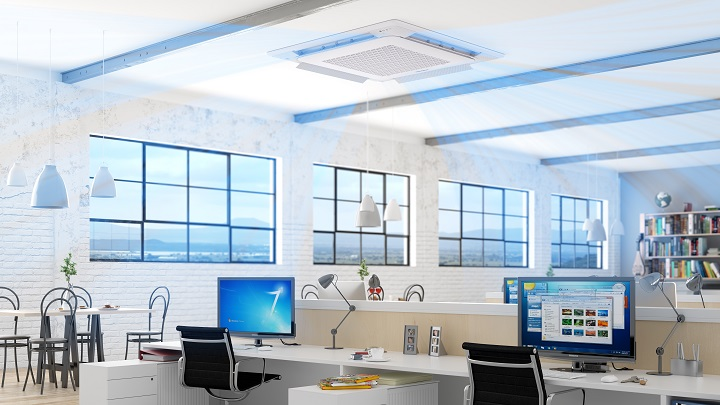
Comfort inside a home or workplace goes far beyond temperature. While heating and cooling systems are essential for maintaining a comfortable indoor climate, they also play a critical role in the quality of the air people breathe every day. With people spending a significant portion of their time indoors, the importance of proper ventilation, filtration, and air purification has become increasingly clear.
Modern HVAC systems are no longer just about cooling in the summer and heating in the winter. Today’s systems are designed to improve indoor air quality (IAQ), reduce airborne pollutants, and create healthier living environments. For homeowners who want a cleaner and more efficient indoor atmosphere, understanding how HVAC systems support air quality is the first step.
Why Indoor Air Quality Should Be a Priority
Indoor air can contain a surprising number of contaminants. Everyday activities such as cooking, cleaning, and even simply opening doors can introduce particles and pollutants into the air. Over time, these pollutants accumulate and circulate through the HVAC system.
Some of the most common indoor air contaminants include:
- Dust and pollen
- Pet dander
- Mold spores
- Bacteria and viruses
- Smoke particles
- Volatile organic compounds (VOCs) from household products
- Excess humidity that encourages microbial growth
When these pollutants circulate continuously through a home, they can affect comfort, aggravate allergies, and impact respiratory health. This is why improving indoor air quality has become a key focus for many homeowners and property managers.
How HVAC Systems Influence Air Quality
An HVAC system is essentially the respiratory system of a home. It pulls in air, conditions it, filters it, and redistributes it throughout the living space. If the system is properly maintained and equipped with the right air quality solutions, it can significantly improve indoor air conditions.
However, if components become dirty or outdated, the system may circulate pollutants instead of removing them.
A well-maintained HVAC system supports indoor air quality in several important ways:
Air Filtration
HVAC filters capture airborne particles before they circulate through the home. High-quality filters can trap fine particles such as pollen, dust mites, and pet dander.
Humidity Regulation
Balanced humidity levels help prevent mold growth and improve overall comfort. HVAC systems with humidity control features can help maintain the ideal indoor moisture balance.
Ventilation
Ventilation ensures stale indoor air is replaced with fresh air. Proper airflow prevents pollutant buildup and helps maintain a healthy indoor environment.
Air Purification
Advanced purification technologies, such as UV lights or electronic air cleaners, can neutralize microorganisms that standard filters may miss.
Together, these features help create a healthier indoor environment that supports both comfort and wellness.
Signs Your Home May Have Poor Indoor Air Quality
Indoor air problems can sometimes develop gradually, making them difficult to notice at first. However, certain warning signs may indicate that your home could benefit from improved HVAC maintenance or air purification solutions.
Common indicators include:
- Persistent dust buildup on surfaces
- Frequent allergy symptoms while indoors
- Musty odors coming from air vents
- Uneven airflow between rooms
- Visible mold near vents or HVAC components
- Excessive humidity or dryness inside the home
If these symptoms occur regularly, it may be time to evaluate the performance of the HVAC system and consider additional air quality improvements.
Key HVAC Services That Improve Indoor Air Quality
Improving indoor air quality often involves a combination of maintenance, system upgrades, and targeted purification solutions. Professional HVAC technicians typically recommend several services that work together to create a cleaner indoor environment.
Routine System Maintenance
Regular maintenance helps keep HVAC systems operating efficiently. Cleaning coils, replacing filters, and checking airflow can prevent dust and microbial buildup inside the system.
Duct Inspection and Cleaning
Air ducts distribute conditioned air throughout a building. Over time, dust and debris can accumulate inside them. Cleaning and sealing ducts can improve airflow and reduce pollutant circulation.
Advanced Filtration Systems
High-efficiency filters capture smaller particles than standard filters. Upgrading filtration systems can significantly improve indoor air quality, especially in homes with pets or allergy sufferers.
Air Purification Technology
Whole-home air purifiers, UV lights, and electronic filtration systems target airborne bacteria, viruses, and mold spores. These technologies provide an additional layer of protection beyond traditional filtration.
Humidity Control Solutions
Maintaining balanced humidity levels helps prevent mold growth and improves comfort. Whole-home humidifiers or dehumidifiers can work alongside HVAC systems to stabilize indoor moisture levels.
Why Professional HVAC Expertise Matters
While some air quality improvements—like changing filters—can be done by homeowners, many IAQ solutions require professional installation and system evaluation.
HVAC professionals assess factors such as:
- System size and efficiency
- Airflow balance
- Ventilation design
- Humidity levels
- Existing air purification systems
By evaluating the entire HVAC setup, technicians can recommend improvements that address the specific needs of the home.
For homeowners looking to improve comfort, airflow, and overall indoor health, exploring San Antonio HVAC and IAQ services can help provide insight into professional solutions designed to optimize both heating, cooling, and indoor air quality.
Building a Healthier Indoor Environment
Creating healthier indoor spaces doesn’t always require a complete system overhaul. Often, a combination of small upgrades and regular maintenance can dramatically improve indoor air conditions.
Homeowners can start by focusing on a few essential steps:
- Replace HVAC filters regularly.
- Schedule routine HVAC maintenance.
- Monitor humidity levels in the home.
- Consider installing whole-home air purification systems.
- Ensure proper ventilation throughout the living space.
These actions work together to reduce airborne pollutants and create a more balanced indoor environment.
The Future of HVAC and Indoor Air Quality
As technology continues to evolve, HVAC systems are becoming smarter and more efficient. New innovations in air purification, filtration, and smart climate control allow homeowners to monitor and manage their indoor environment more effectively than ever before.
Indoor air quality is no longer considered an optional upgrade—it’s an essential component of modern home comfort. By combining advanced HVAC technology with regular system care, homeowners can create spaces that are not only comfortable but also healthier for everyone who lives there.
A well-designed HVAC and IAQ strategy ensures that the air circulating through your home supports both comfort and long-term well-being.

