Platform scales are one of those tools people rely on every day without thinking much about them. They quietly do their job in warehouses, workshops, farms, and factories, weighing everything from pallets to machinery parts. But like any tool that measures weight, a platform scale only stays useful if it stays accurate.
That’s where calibration comes in. Calibration sounds technical, but at its core, it’s simply about making sure your scale is telling the truth. A scale that slowly drifts out of accuracy can cause problems that build up over time, often without anyone noticing until something goes wrong.
This guide walks through platform scale calibration in plain language. No heavy jargon, no lab-style explanations. Just a practical look at what calibration is, why it matters, and how to stay on top of it.
What calibration actually means
Calibration is the process of checking a scale’s readings against a known, accurate weight and adjusting it if needed. Over time, even good-quality scales can drift slightly due to regular use, vibrations, temperature changes, or moving the scale from one spot to another.
Think of it like a car’s wheel alignment. You may not notice a problem at first, but small changes slowly affect performance. Calibration brings everything back into line so the numbers you see match the real weight.
It’s important to understand that calibration isn’t about fixing broken scales. It’s about fine-tuning working equipment so it stays reliable.
Why accurate weights matter more than you think
In many workplaces, weight affects far more than people realise. Incorrect readings can lead to stock errors, billing disputes, wasted materials, or safety issues. Even small inaccuracies can add up when weighing items all day, every day.
For businesses that sell or ship goods by weight, accuracy also helps avoid arguments with customers or suppliers. Trust in measurements keeps operations smooth and avoids awkward conversations.
On the safety side, knowing the true weight of heavy items helps prevent overloading equipment, vehicles, or storage racks. That’s not just about efficiency, it’s about protecting people on site.
How often should platform scales be calibrated?
There’s no single rule that fits every business. How often you calibrate depends on how the scale is used, where it’s located, and how critical accuracy is to daily operations.
A platform scale used constantly in a busy warehouse may need more frequent checks than one used occasionally. Scales exposed to dust, moisture, or temperature changes often drift faster than those in controlled environments.
As a general guide, many businesses schedule calibration at least once a year. Others do it every few months, especially if the scale plays a key role in pricing or compliance.
Signs your platform scale may need calibration
Scales rarely fail suddenly. Most give subtle signs that accuracy is slipping. One common clue is inconsistent readings when weighing the same item more than once.
Another sign is when the scale doesn’t return to zero properly after unloading. If the display shows a small weight with nothing on the platform, that’s often a hint that calibration is due..
Understanding the basics without getting technical
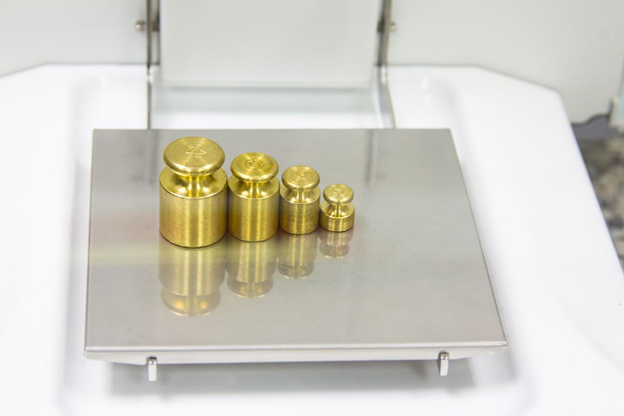
You don’t need to be an engineer to understand calibration. At a simple level, known test weights are placed on the platform, and the scale’s readings are compared to their true values.
If there’s a difference, adjustments are made so the scale aligns correctly. This process ensures that light loads and heavy loads are both measured accurately across the scale’s full range.
If you’re looking to build a broader understanding of weighing equipment, a clear guide to digital scales can also help explain how displays, sensors, and load cells work together behind the scenes.
In-house checks vs professional calibration
Some workplaces perform regular in-house checks using test weights. These quick checks help catch problems early and keep confidence high between formal calibrations.
Professional calibration also provides records that prove your equipment was checked properly. These records can be useful during inspections or when resolving disputes.
The role of environment and handling
Platform scales don’t exist in perfect conditions. Forklifts rumble past, heavy loads drop onto platforms, and dust finds its way into everything. All of this affects accuracy over time.
Temperature changes can cause metal parts to expand or contract slightly, which influences readings. Moisture and grime can also interfere with moving components or sensors.
Simple habits help reduce these issues. Keeping the scale clean, placing loads gently, and avoiding unnecessary movement all help extend calibration accuracy.
Making calibration part of regular maintenance
Calibration works best when it’s part of a routine, not a reaction to problems. Scheduling it alongside other equipment checks keeps it from being forgotten.
Clear labelling of calibration dates helps staff know when checks are due. It also encourages accountability and consistency across teams.
When calibration becomes routine, scales stay accurate, downtime drops, and weighing becomes something you don’t have to second-guess.
Wrapping it all together
Platform scale calibration isn’t complicated, but it is important. By paying attention to early warning signs, scheduling regular checks, and taking steps to maintain your platform scales, businesses can avoid unnecessary issues and keep their weighing equipment working as it should.
Meltrons Australia in Sydney provides experience and expertise built around real-world conditions and everyday use. Contact us today!
