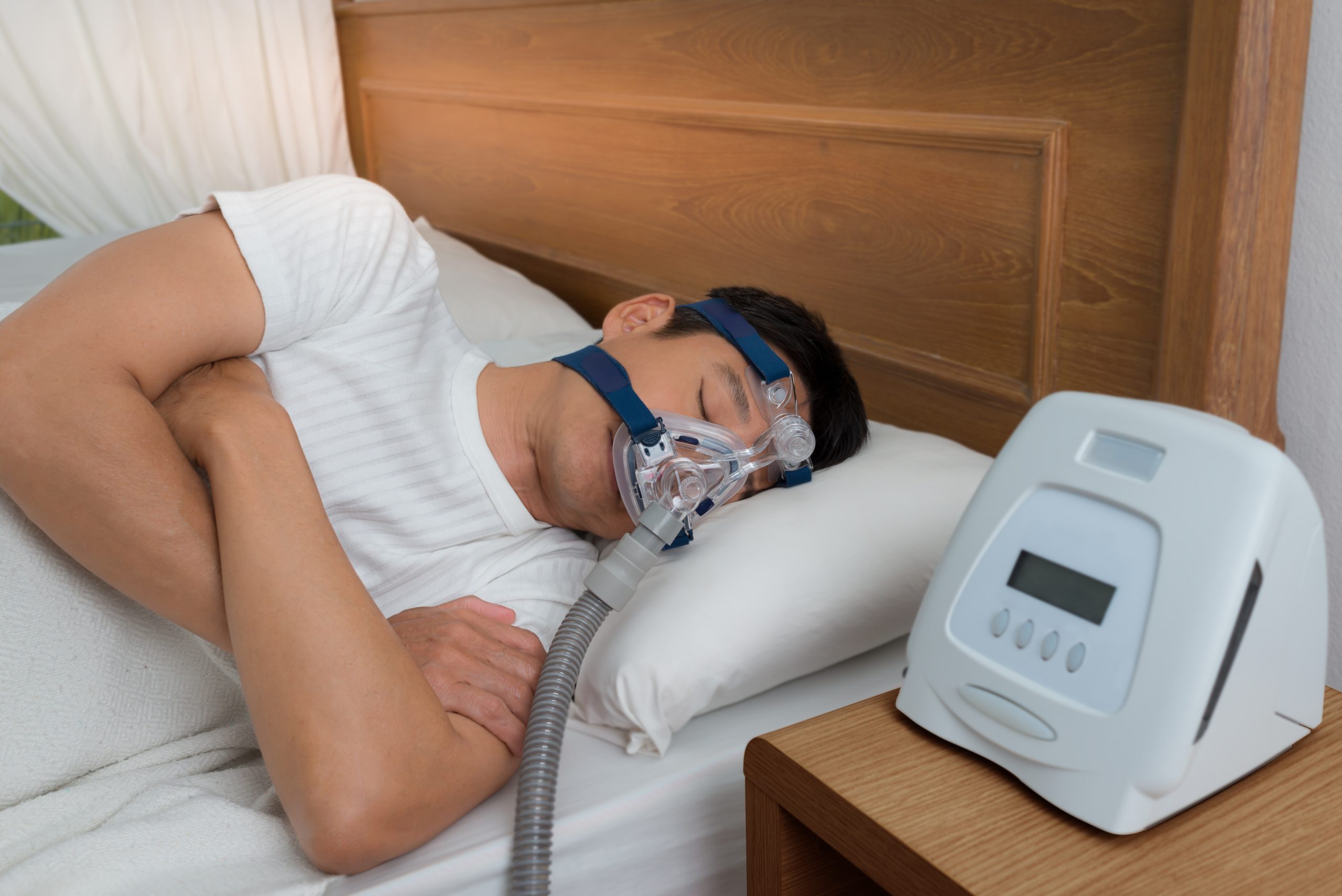
Many people associate sleep apnea with loud snoring or restless nights. But beneath the surface, this condition affects far more than sleep quality. It interferes with brain signaling, oxygen delivery, and the body’s natural repair cycles—often without the person realizing it.
Sleep apnea is not just about breathing pauses at night. It is a neurological and physiological stressor that repeatedly pushes the body into survival mode while it should be resting.
What Happens to the Brain When Breathing Stops
Each time breathing pauses during sleep, oxygen levels fall and carbon dioxide rises. The brain detects this imbalance almost instantly. Instead of allowing the body to remain in deep, restorative sleep, it triggers a brief awakening—just long enough to restart breathing.
These awakenings may last only seconds and are rarely remembered, but they can occur dozens or even hundreds of times per night. The result is fragmented sleep that never reaches the depth required for proper brain recovery.
Over time, this constant disruption affects:
- Memory consolidation
- Emotional regulation
- Attention and reaction speed
- Decision-making ability
Many people with sleep apnea describe feeling mentally “foggy” during the day, even after what appears to be a full night of sleep.
Why Sleep Apnea Feels Different for Everyone
One of the reasons sleep apnea goes undiagnosed for so long is that symptoms vary widely. Some people experience overwhelming daytime fatigue, while others feel restless, irritable, or unfocused. In children, the signs can be even more misleading.
Instead of appearing sleepy, children may show:
- Hyperactivity
- Difficulty concentrating
- Behavioral challenges
- Poor academic performance
This difference highlights why sleep apnea is not simply a breathing issue—it is a condition that alters how the nervous system functions during rest.
The Nervous System Under Stress
From a neurological perspective, sleep apnea repeatedly activates the body’s “fight or flight” response. Heart rate spikes, blood pressure rises, and stress hormones flood the system—over and over again throughout the night.
This chronic stress response contributes to:
- Hypertension that does not improve with medication
- Increased risk of stroke
- Irregular heart rhythms
- Reduced resilience to physical and mental stress
Sleep apnea essentially turns sleep—a time meant for recovery—into a nightly endurance test for the nervous system.
Not All Sleep Apnea Is the Same
Sleep apnea exists in different forms, each with distinct underlying mechanisms.
- Obstructive sleep apnea involves physical airway collapse during sleep
- Central sleep apnea results from disrupted brain signaling to breathing muscles
- Complex sleep apnea includes features of both
Understanding these differences is critical, because treatment approaches vary significantly depending on whether the problem is mechanical, neurological, or both.
Why Oxygen Matters More Than You Think
The brain is extremely sensitive to oxygen deprivation. Even mild, repeated drops in oxygen during sleep can affect how neurons communicate. Over time, this may contribute to cognitive decline and increase vulnerability to neurodegenerative conditions.
Research has also linked untreated sleep apnea to changes in brain structure, particularly in regions responsible for memory and executive function.
This is one reason sleep apnea is increasingly viewed not just as a sleep disorder, but as a neurological health concern.
The Hidden Daytime Consequences
Many people adapt to the symptoms of sleep apnea without realizing it. They rely on caffeine, push through fatigue, or attribute mood changes to stress. But untreated sleep apnea can quietly erode daily functioning.
Common daytime effects include:
- Persistent fatigue despite adequate sleep time
- Reduced work performance
- Slower reaction times (a safety concern for drivers)
- Mood instability and irritability
Because these symptoms develop gradually, they are often dismissed as part of modern life.
Sleep Apnea and Long-Term Health
From a preventive health standpoint, sleep apnea is a significant risk factor. Chronic sleep disruption affects metabolism, hormone balance, and cardiovascular stability.
Over time, it has been associated with:
- Type 2 diabetes
- Obesity driven by hormonal imbalance
- Increased inflammation throughout the body
- Reduced life expectancy when left untreated
Addressing sleep apnea early can help reduce these long-term risks and improve overall neurological and systemic health.
A Broader Neurological Perspective
Sleep apnea sits at the intersection of sleep science, respiratory physiology, and neurology. It demonstrates how closely breathing, brain signaling, and restorative sleep are linked.

