ENT symptoms can feel deceptively “simple” — a blocked nose, ringing in the ears, hoarseness, dizziness, or snoring. But the ear, nose, and throat share tight spaces, delicate nerves, and tiny moving structures. That’s why accurate diagnosis matters: the right test helps pinpoint the true cause, avoids unnecessary medications, and guides the most effective treatment path.
At Liv Hospital, ENT diagnostics are designed to answer three practical questions:
- Where is the problem located? (ear, sinus, throat, vocal cords, balance system, neck)
- What is the cause? (infection, allergy, reflux, structural blockage, nerve issue, growth)
- How severe is it — and what’s the safest next step?
For a full overview of diagnostic services, visit EAR NOSE THROAT Diagnosis and Tests.
Step 1: The ENT Consultation That Determines Which Tests You Actually Need
A strong diagnosis often starts before machines do — with a structured evaluation:
- Symptom timeline: sudden vs gradual, constant vs episodic
- Triggers: seasonal allergies, meals/reflux, noise exposure, flights
- Red flags: bleeding, weight loss, progressive one-sided symptoms, swallowing difficulty
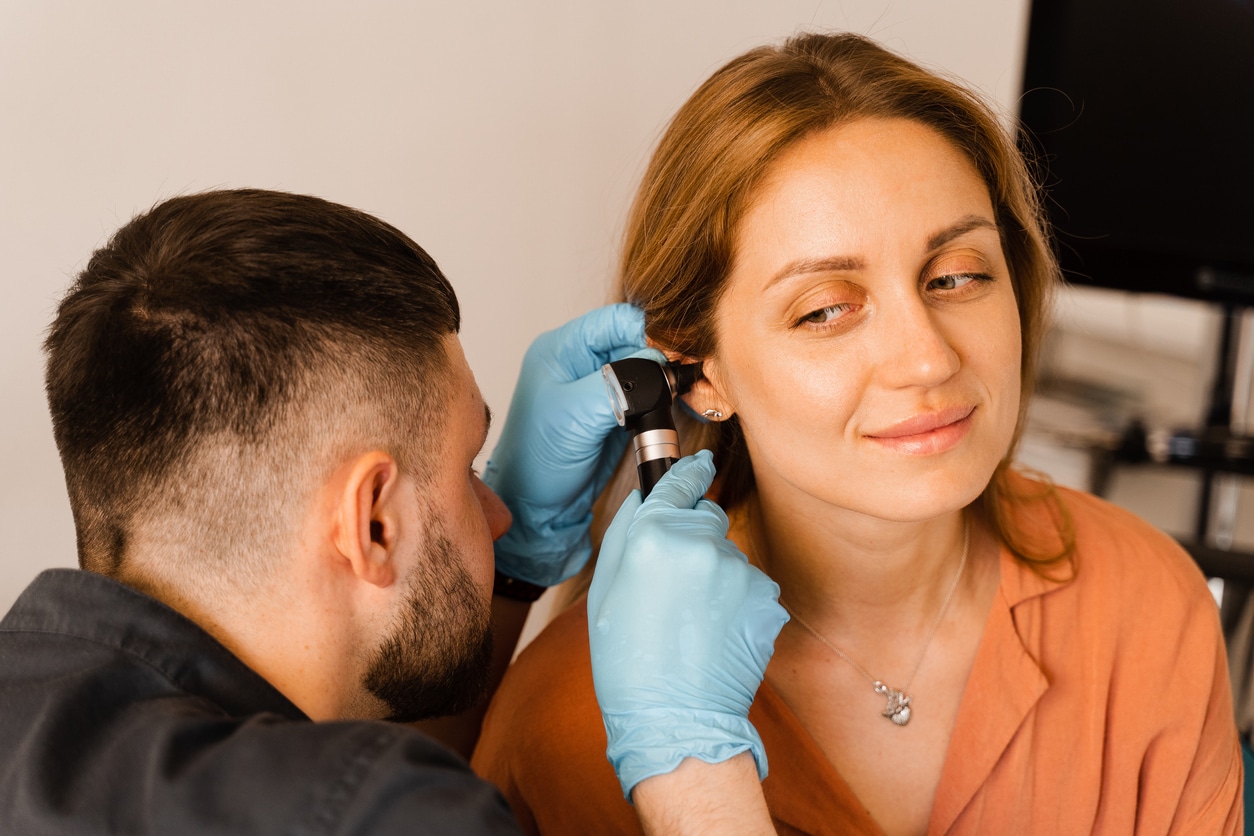
- Focused exam: ear canal, eardrum, nasal airflow, throat/tonsils, neck palpation
This step prevents “random testing” and ensures the next test is targeted.
Step 2: Visual Exams That See What the Naked Eye Can’t
Many ENT conditions hide in areas that can’t be checked properly with routine tools. That’s where camera-based exams make the difference.
Nasal & Sinus Evaluation
When symptoms include facial pressure, chronic congestion, post-nasal drip, frequent sinus infections, or suspected polyps, a clinician may recommend an internal nasal evaluation.
What it helps detect:
- inflammation patterns
- polyps or tissue swelling
- drainage pathways that aren’t functioning
- structural narrowing that traps mucus
Throat & Voice Evaluation
If you have hoarseness, voice fatigue, chronic throat clearing, swallowing discomfort, or reflux-like symptoms, a scope-based evaluation can assess the upper airway and voice structures.
What it helps detect:
- vocal cord irritation (often reflux-related)
- vocal nodules/cysts
- reduced cord movement (nerve involvement)
- lesions requiring further assessment
Step 3: Hearing Tests That Identify Type of Hearing Loss (Not Just “Yes/No”)
A big mistake is assuming all hearing loss is the same. ENT testing separates hearing loss into different categories — because the treatment depends on the type.
Core Hearing Assessments Often Include:
- Hearing threshold testing: identifies which pitches and volumes are hardest to hear
- Middle ear function checks: evaluates whether sound is being transmitted properly
- Objective hearing response tests (when needed): useful for infants, unclear cases, or complex nerve-related concerns
These tests help differentiate:
- Conductive issues (wax, fluid, eardrum problems, ossicle dysfunction) — often treatable
- Sensorineural loss (inner ear or nerve damage) — managed differently, sometimes with hearing tech or medical evaluation
Step 4: Dizziness and Balance Testing That Separates Ear vs Brain Causes
Dizziness is one of the most confusing ENT symptoms because it can come from:
- inner ear balance organs
- vestibular nerve irritation
- migraine-related pathways
- central neurological causes
- blood pressure or heart rhythm issues
Balance-focused ENT testing can:
- map how your eyes respond to balance signals
- determine whether one ear is weaker
- identify patterns consistent with BPPV (crystals), neuritis, or other vestibular conditions
This is crucial because treatments are totally different: exercises, repositioning maneuvers, medication, or referral.
Step 5: Imaging Tests Used in ENT — When Scans Are Necessary
Not every ENT symptom needs a scan — but imaging becomes important when the goal is to map anatomy, rule out deeper disease, or plan surgery.
Common ENT Imaging Scenarios
- Chronic sinusitis that doesn’t respond to treatment → sinus mapping
- One-sided hearing loss or persistent tinnitus → rule out nerve-related causes
- Neck lumps or thyroid nodules → ultrasound-guided assessment
- Complex snoring or suspected sleep apnea → advanced evaluation planning
Imaging supports precision, especially for patients who’ve had “recurring symptoms” without a clear explanation.
Step 6: Biopsy and Sampling Tests (When a Lump or Lesion Needs Identification)
If a neck lump, thyroid nodule, or suspicious lesion is found, tissue testing may be recommended. The goal is simple: confirm what the cells are.
In many ENT cases, sampling is:
- minimally invasive
- quick
- guided by imaging for accuracy
- used to confirm benign vs suspicious findings
This helps avoid delays and ensures the right specialist path.
Step 7: Sleep and Snoring Testing for Airway Obstruction
Snoring isn’t always harmless noise. For many people, it’s a signal of partial airway blockage — and sometimes sleep apnea.
Depending on symptoms (daytime sleepiness, choking episodes, blood pressure issues), testing may evaluate:
- oxygen drops during sleep
- breathing interruptions
- severity scoring to guide treatment options
This matters because treating sleep-related breathing disorders can improve energy, mood, heart health, and focus.
When to Seek ENT Testing Immediately
You should not “wait it out” if you have:
- sudden hearing loss in one ear
- dizziness with new neurological symptoms
- persistent hoarseness beyond a few weeks
- difficulty swallowing or unexplained throat pain
- recurrent nosebleeds (especially one-sided)
- a neck lump that persists or grows
Early testing can prevent long-term damage and shorten treatment time.
A Smarter Path to Answers
ENT testing shouldn’t feel overwhelming. The best diagnostic approach is step-by-step: start with the simplest test that gives the clearest answer, then progress only if needed. This saves time, reduces unnecessary treatments, and gets you to the right solution faster.
For additional wellness habits that support ear, nose, and throat health (like sleep hygiene, hydration routines, and lifestyle practices that reduce reflux triggers), you can explore resources from live and feel.

