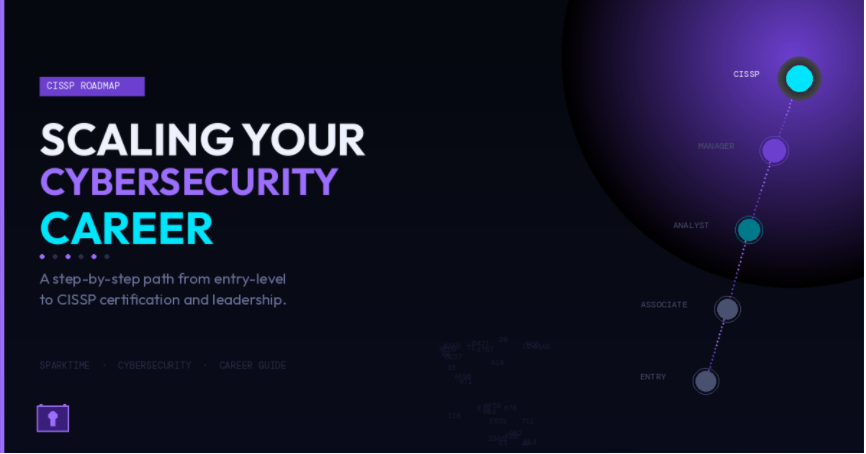
Introduction: Why CISSP Has Become the Milestone for Cybersecurity Growth
Cybersecurity careers usually begin with basic support tasks, monitoring tools, or troubleshooting incidents, but long-term growth requires broader thinking, stronger decision making, and a deeper understanding of how security systems work together. This is where the CISSP certification becomes a powerful turning point. Many professionals strengthen their foundation through a CISSP certification training, which helps them understand the structure and strategy behind enterprise security. CISSP is recognized globally and trusted because it transforms technical professionals into security leaders who can guide teams, manage risk, and protect organizations at scale.
Understanding the CISSP Journey: More Than an Exam
CISSP is designed for professionals who already have security experience and want to grow into roles that involve architecture, governance, and high-level decision making. The roadmap is not about memorizing tools or commands. It teaches how different systems connect, how business risk is evaluated, and how policies influence technical choices.
The CISSP mindset helps you think like a security leader. It teaches you to see beyond individual tasks and understand how security supports the entire organization.
Why CISSP Is a Career-Scaling Certification
CISSP is one of the few certifications that impacts both technical and managerial growth. It prepares professionals for senior responsibilities, where they must design solutions rather than just implement them.
Key advantages of CISSP include:
• Ability to understand enterprise-level risk
• Confidence in security decision making
• Better communication with executives and cross-functional teams
• Stronger credibility when leading projects or audits
This shift from technical execution to strategic leadership is a major reason CISSP is considered a career-scaling credential.
The Eight Domains That Shape Your CISSP Roadmap
The CISSP body of knowledge is structured around eight domains, which collectively build a complete understanding of enterprise security. These domains include areas such as asset security, network security, communication security, identity management, and risk management.
Each domain teaches professionals to evaluate security from a top-down perspective. By understanding policies, governance, architecture, and operational controls, you learn how to design systems that protect the business rather than only the network.
Building Experience That Supports the CISSP Path
CISSP requires experience, but the roadmap is flexible because security work spans many areas. You do not need to be an expert in every domain. You only need exposure to real-world challenges.
Relevant experience may include:
• Managing access rights and identity controls
• Supporting network security operations
• Handling incidents and coordinating responses
• Performing risk assessments
• Participating in audits and compliance reviews
• Reviewing logs, alerts, and system behaviors
This collective experience helps you understand how all eight domains apply in practical environments.
How CISSP Prepares Professionals for Leadership Responsibilities
CISSP-certified professionals often move into leadership roles because they learn how to plan security programs rather than only configure tools. The roadmap prepares you to think about the big picture.
CISSP strengthens skills in:
• Evaluating business and technical risk
• Planning continuity and disaster recovery
• Creating policies and security standards
• Guiding teams through structured processes
• Working with legal, HR, compliance, and executive teams
This broader understanding positions you for senior titles where strategic thinking matters more than tool-based tasks.
Smart Preparation Methods for CISSP Candidates
The CISSP syllabus is large, so preparation must be structured. Professionals often begin by understanding concepts before diving into details.
A simple preparation flow includes:
• Reviewing each domain slowly with clarity
• Relating concepts to real incidents or workplace examples
• Practicing questions to validate understanding
• Strengthening weaker domains over time
• Studying consistently instead of rushing
This balanced roadmap helps you learn how concepts connect instead of memorizing isolated facts.
How CISSP Expands Your Global Career and Earning Potential
One of CISSP’s biggest advantages is its worldwide recognition. Employers trust that CISSP-certified professionals can design secure systems, manage risk, and communicate with stakeholders.
CISSP helps you qualify for roles such as:
• Information Security Manager
• Senior Security Engineer
• Security Architect
• Governance and Compliance Lead
• Cybersecurity Consultant
• Security Program Manager
These roles come with higher compensation because they require strategic thinking, accountability, and leadership.
Long-Term Career Growth Beyond CISSP
CISSP does not end with certification. It becomes a lifelong foundation for continued learning. Many professionals use CISSP as a launchpad for cloud security, threat intelligence, architecture roles, incident leadership, or security governance.
Its long-term benefits include:
• Strong job stability
• Multi-industry career mobility
• Powerful negotiation leverage
• Recognition as a security leader
• Continuous professional development
This long-term impact is one of the strongest reasons CISSP remains the global standard in cybersecurity.
Strengthening Fundamentals Before Starting the CISSP Journey
Many professionals revisit foundational security concepts before beginning their CISSP preparation. Understanding topics like access control, encryption basics, and risk management helps make advanced subjects easier to grasp. Some learners rely on structured guidance and reference materials, and Project learning resources on SterlingNext supports this foundation-building approach with simple explanations aligned to real workplace challenges.
Conclusion
A CISSP roadmap is more than a study plan. It is a career path that shapes how you think, communicate, and lead in cybersecurity. CISSP transforms technical professionals into strategic leaders who can manage risk, design secure architectures, and guide organizations through complex challenges. With global recognition, higher earning potential, and long-term career stability, CISSP remains one of the most valuable certifications for anyone who wants to scale their cybersecurity career with confidence.
