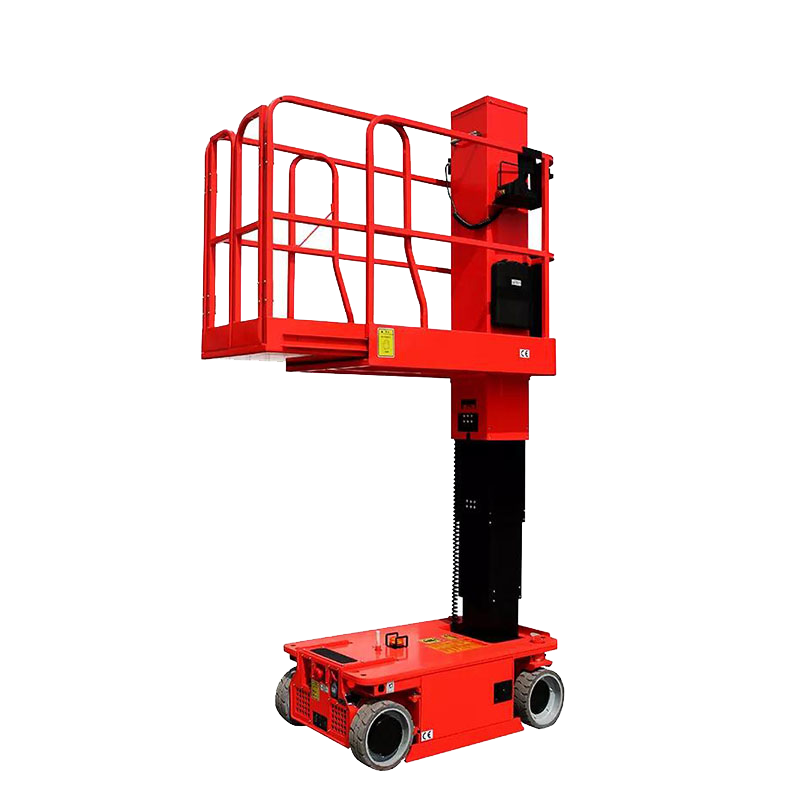
Compact electric mast lift working safely inside a narrow indoor commercial space
Indoor access work looks simple until it isn’t. Low ceilings, narrow aisles, finished floors, and people moving through the space all change the equation. The wrong equipment choice can slow work, increase risk, or force costly last-minute changes.
For many indoor projects across New Zealand, success comes down to selecting access equipment designed specifically for confined environments rather than adapting larger machines that were never meant for them.
Why Tight Indoor Spaces Change Equipment Decisions
Indoor environments remove margin for error. Doorways dictate width. Ceiling services limit vertical movement. Floor surfaces cannot tolerate excessive weight or tyre marks. On top of that, work often happens while buildings remain operational.
Think of it like choosing footwear. Hiking boots might be excellent outdoors, but wear them inside an office and they become awkward and damaging. Indoor access equipment needs the same level of context-aware thinking.
When Mast Lifts Make Practical Sense Indoors
Many indoor tasks require vertical reach without lateral extension. Common examples include:
- Electrical and lighting installations
- Fire and security system servicing
- HVAC maintenance in plant rooms
- Retail fit-outs and signage work
- Warehouse repairs between racking
In these scenarios, mast lift hire often proves to be the most efficient option because the machines are compact, electric, and designed for straight-up access rather than wide platform movement.
Key Factors to Consider Before Hiring
1. True Working Height
Always distinguish between platform height and working height. The latter includes the operator’s reach and determines whether the job can be completed without stretching or unsafe positioning. Measure ceiling obstructions carefully, including sprinklers and ducting.
2. Machine Width and Manoeuvrability
Indoor projects reward slim profiles. A mast lift that fits through standard doorways and turns easily in tight corridors reduces the need to clear surrounding areas or move stock and furniture.
3. Floor Load and Surface Sensitivity
Finished floors, mezzanines, and older buildings may have strict load limits. Lightweight mast lifts distribute weight more evenly and reduce the risk of cracking tiles, denting vinyl, or marking polished concrete.
4. Power and Noise Levels
Electric operation is essential indoors. Quiet motors allow work during business hours without disrupting staff or customers, while zero emissions maintain air quality in enclosed spaces.
Safety Expectations in New Zealand Workplaces
Indoor access equipment must align with New Zealand safety standards. Operators should understand harness requirements, emergency lowering procedures, and exclusion zones, even in confined environments.
Guidance from WorkSafe New Zealand provides clear expectations around working at height and managing mobile plants. Following these principles helps protect workers and reduces liability for site managers and contractors alike.
Avoiding the “Bigger Is Better” Trap
One of the most common mistakes is choosing equipment based on familiarity rather than suitability. Scissor lifts are versatile, but their wider platforms and heavier frames often create unnecessary obstacles indoors.
Mast lifts function more like precision instruments. They move easily, elevate directly to the task, and come down without requiring large clearance zones. Over a full project, this translates into faster progress and fewer interruptions.
Planning for Active Indoor Environments
Many indoor projects take place while buildings remain in use. Retail stores stay open. Warehouses continue operating. Offices function around contractors.
Compact access equipment allows work to continue without shutting down large sections of the space. This flexibility is often the deciding factor for facility managers balancing maintenance with daily operations.
Working With the Right Hire Provider
The equipment itself matters, but so does the advice behind it. A knowledgeable hire provider will help assess access routes, floor conditions, and ceiling constraints before delivery, preventing surprises onsite.
Final Thoughts
Indoor access work demands precision, not excess capacity. Choosing equipment designed for confined spaces improves safety, reduces disruption, and keeps projects moving smoothly.
By understanding space constraints, surface sensitivity, and compliance requirements, NZ professionals can select mast lifts that work seamlessly within indoor environments. In tight spaces, the best access solution is often the one that quietly does its job without getting in the way.
