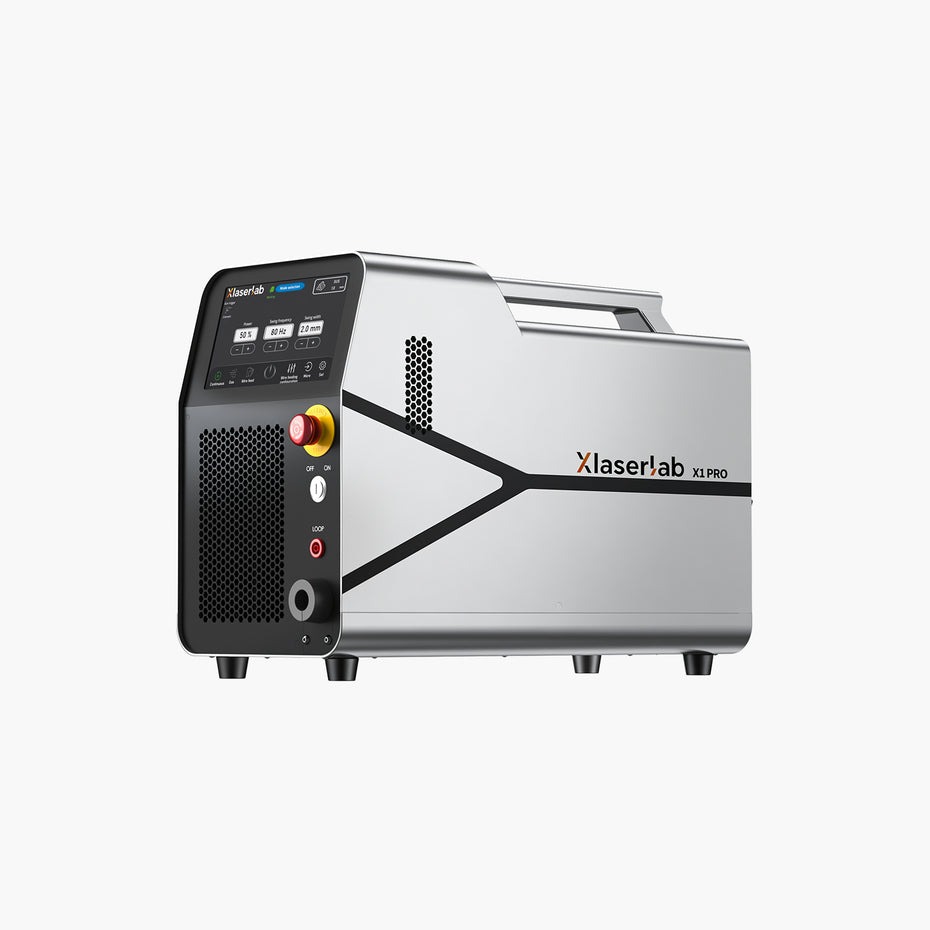
For decades, TIG and MIG welding were the safe choices for metal fabrication. They were understood, well-supported, and forgiving in the hands of experienced operators. Then handheld beam-based systems arrived, promising faster travel speeds, minimal distortion, and welds so clean they often needed no post-processing. Shop owners now face a real question rather than a marketing pitch: does the new technology actually justify replacing what already works day to day?
The answer depends on the products you build, the tolerances your customers demand, and the labor market you draw from. Beam-based methods are not a universal upgrade. They shine in specific scenarios such as thin sheet metal, dissimilar materials, cosmetic joints, and applications where warp control matters, while traditional methods remain competitive in others. Choosing based on hype instead of fit leads to expensive regret.
This comparison walks through the honest differences between beam and arc processes across the metrics that decide profitability: precision, learning curve, consumable cost, joint versatility, and long-term maintenance. By the end, you will have a clearer view of when to switch, when to blend both approaches, and when to stay with what you already know works.
Precision and Heat-Affected Zone Comparison
The single most cited advantage of laser welding is the narrow heat-affected zone. A focused beam deposits energy over a fraction of a millimeter, meaning the surrounding metal stays relatively cool. That translates into less warping, less discoloration, and fewer post-weld corrections on thin sheet stock. TIG welding, by contrast, spreads heat over a wider area even with a skilled operator managing amperage carefully throughout the pass.
For cosmetic joints on stainless steel enclosures, kitchen equipment, or architectural pieces, that difference is visible to end customers. Beam welds often finish with a mirror-like bead that requires only light polishing, while arc welds typically need grinding, sanding, and polishing to reach the same aesthetic. On structural steel where cosmetics matter less, the precision advantage narrows and the older methods remain fully competitive. Choose based on what the customer will actually see and touch when the product ships.
Learning Curve and Operator Availability
Skilled TIG welders take years to develop. The coordination of torch angle, filler rod feed, and foot pedal control demands practiced muscle memory that many shops struggle to hire in the current labor market. That shortage is one of the strongest arguments for adopting beam-based welding, which flattens the learning curve dramatically. A new operator can produce presentable welds within days rather than years because the beam does much of the coordination automatically.
MIG welding is easier than TIG, so the comparison depends on what the shop currently uses. Compared to MIG, beam methods still offer faster ramp-up on complex joints and dissimilar materials. Compared to TIG, the productivity gain is even more pronounced. The counter-argument is that senior TIG welders can weld anywhere, on any machine, while operators trained on one beam system depend on the specific hardware in front of them. Long-term hiring strategy matters here as much as short-term training economics.
Consumable and Energy Cost Over Time
Both technologies consume energy and materials, but the composition differs. Arc welding requires steady purchase of consumable electrodes, tungsten tips, gas cups, and shielding gas. Filler rod or wire is ongoing regardless of process. Beam welding also uses shielding gas and can use wire feed, but eliminates most electrode-related consumables entirely. Optical components have long service lives, though protective lenses need periodic replacement to keep the beam quality steady.
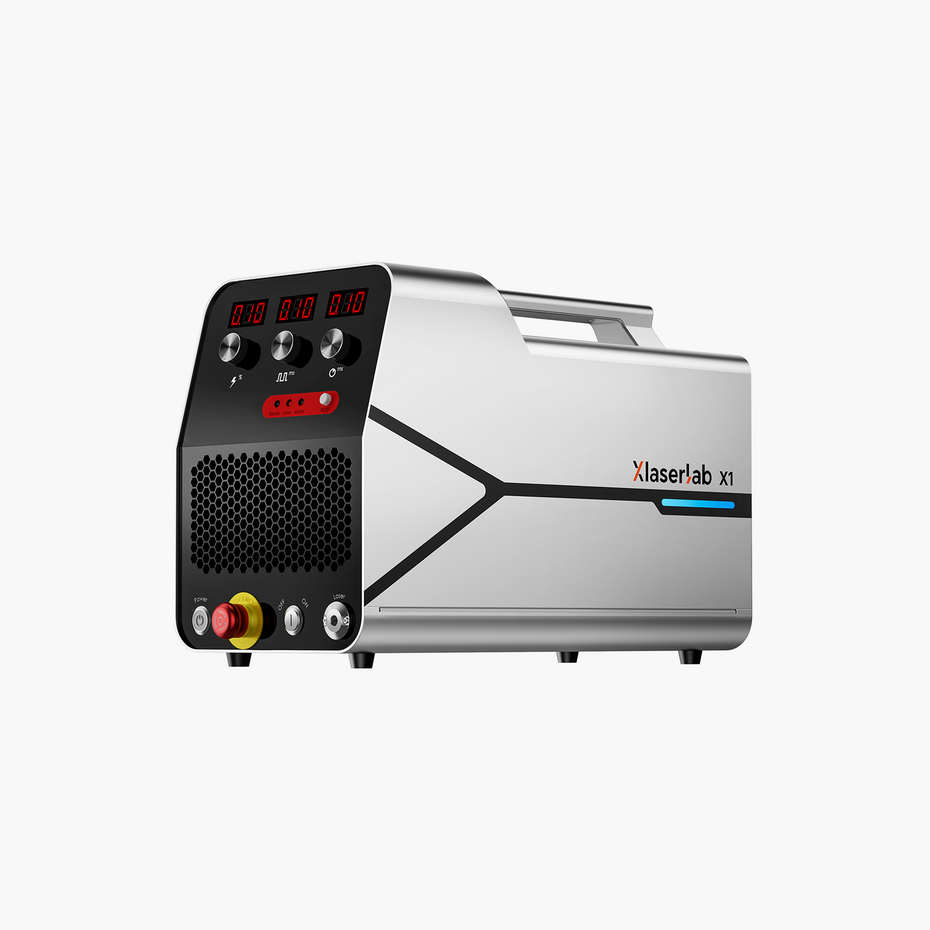
Energy comparison depends on workload. A fiber source draws significant power under continuous heavy use but idles at low consumption between welds. TIG and MIG rectifiers scale similarly with load. The cost equation often tilts toward beam methods when factoring in reduced post-weld finishing, since grinding wheels, sanding belts, and polishing compounds all disappear from the material bill when welds emerge nearly finished. Add up the whole picture rather than just the machine power rating on the nameplate.
Joint Types and Material Compatibility
Beam welding excels on lap joints, butt joints in thin material, and applications joining dissimilar metals like copper to steel or aluminum to titanium that arc processes struggle with. Its narrow beam can access tight geometries where a TIG electrode simply will not fit. However, on thick material, say above six or eight millimeters, the depth of penetration favors arc processes, which can be tuned for deep single-pass welds without the multi-pass approach beam welding sometimes needs.
Cast iron, some aluminum alloys, and certain high-carbon steels also behave better under arc heat, where the slower cooling gradient reduces cracking risk. Xlaserlab and other manufacturers publish material compatibility guides that clarify which alloys respond well to their specific systems. Cross-reference these against your typical work before assuming the newer technology fits every job on the shop floor. A trial run on your actual material samples beats any brochure claim.
Maintenance and Downtime Realities
Arc welders are mechanically simple: transformers, rectifiers, and gas regulators that most shops can service in-house with basic training. Beam systems are more complex, with fiber sources, cooling systems, and precision optics that typically require certified technicians for major repairs. That complexity is offset by lower routine wear, since there are no electrode tips to sharpen and no drive rolls to replace as often, but when something does need factory service, the downtime and cost can be larger.
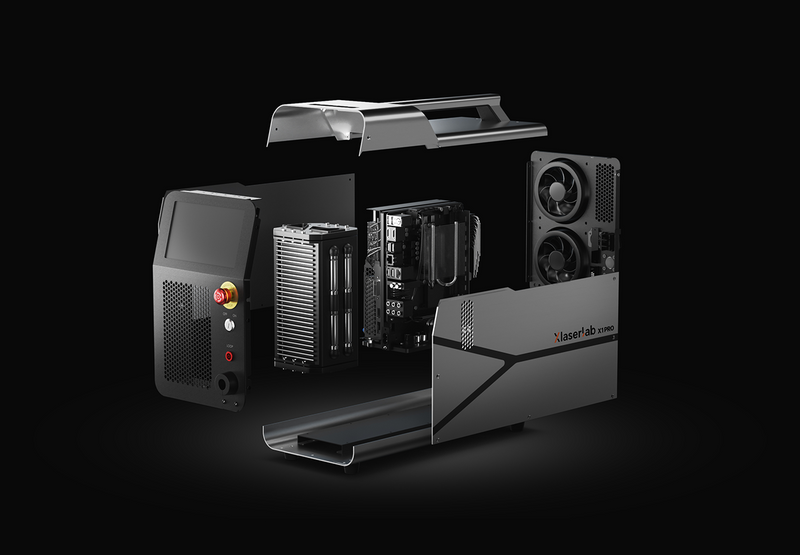
Regional support matters as much as machine quality here. A supplier with local technicians and stocked parts can restore service in a day; one shipping components internationally can shut a shop down for weeks. Evaluate the support network alongside the specifications, and consider whether your operation can afford unplanned downtime on a critical machine before committing. Ask the supplier for average response times in your area and get the answer in writing.
Choosing the Right Weld for Your Product
The comparison rarely produces a single winner. Beam methods win on precision, thin stock, cosmetic joints, and dissimilar materials, and they lower the training barrier for new operators. Arc welding remains competitive on thick sections, certain alloys, and shops that value in-house serviceability over factory support. Many mature fabrication operations end up running both, matching the process to each job rather than forcing every part through one technology. Whether you buy new, retire old equipment, or blend approaches, base the decision on what your customers actually need, not on which method sounds most modern in a sales meeting or trade show demo.
