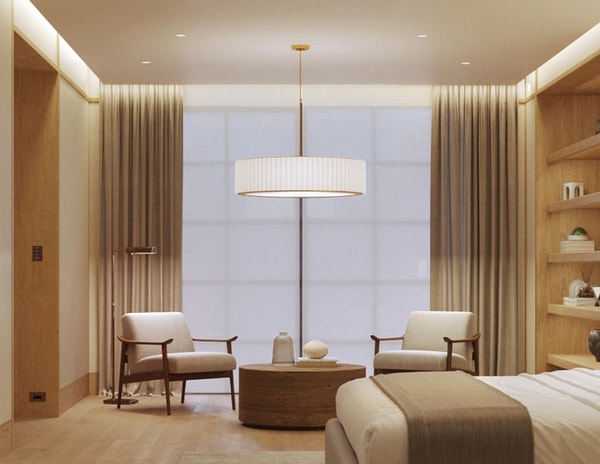
Visual Comfort Co is renowned for its premium decorative and architectural lighting, which seamlessly blends timeless design, craftsmanship, and performance for both residential and commercial spaces.
Lighting is an essential component in home design, greatly affecting how a space feels and functions. From illuminating dark corners to highlighting design features, the right lighting can make all the difference. It is important to consider how various types of lighting can be strategically used to enhance both aesthetics and practicality. Thoughtful integration of lighting into home renovation projects can significantly boost the overall ambience and effectiveness of your living spaces. Incorporating Visual Comfort lighting collections can further elevate the design.
Exploring the basics of different lighting types
Understanding the basics of lighting is key to creating well-designed interiors. There are three main types of lighting: ambient, task, and accent. Ambient lighting provides general illumination for a room, ensuring that it is evenly lit. This type of lighting is usually achieved through ceiling fixtures or wall-mounted lights. Task lighting, on the other hand, focuses on providing light for specific activities such as reading or cooking. Desk lamps or under-cabinet lights are common examples of task lighting.
Accent lighting is used to highlight particular features within a space, such as artwork or architectural details. This type of lighting often involves spotlights or track lights that draw attention to focal points. The interplay between these different types of lighting can significantly alter the mood and functionality of a room. By carefully selecting and placing lights, you can create a dynamic environment that caters to both your practical needs and aesthetic preferences. For those seeking high-quality options, Visual Comfort offers a range of designer lighting solutions.
Always consider temperatures
When planning your lighting scheme, it’s crucial to consider the colour temperature of your light sources, measured in Kelvin. Warmer tones, typically between 2700K and 3000K, create cosy and inviting atmospheres perfect for living rooms and bedrooms. Cooler temperatures, ranging from 4000K to 5000K, provide crisp, energising light ideal for kitchens, bathrooms, and workspaces. The choice of colour temperature can dramatically influence how colours appear in your space and affect the overall mood. Additionally, the placement height and spacing of fixtures should be carefully calculated to avoid creating shadows or overly bright spots that can cause discomfort or visual fatigue.
Enhancing room aesthetics with clever techniques
Lighting techniques play an instrumental role in enhancing the aesthetics of a room. For instance, when it comes to interior design, layering different types of lighting can add depth and dimension to an interior space. Combining ambient, task and accent lighting creates visual interest while catering to various needs throughout the day. Dimmers are another useful tool that allow you to adjust light levels according to the desired mood or time of day.
What’s more, the directionality of light sources can affect how colours and textures appear within a space. Upward-facing lights can make ceilings seem higher, creating an illusion of spaciousness. Meanwhile, wall sconces can add warmth by casting gentle light across vertical surfaces. By experimenting with these techniques, you can emphasise architectural features such as beams or columns, enhancing the overall character of your home.
Integrating effective lighting solutions during renovations
The process of home improvement provides ample opportunities to integrate effective lighting solutions that enhance both function and style. Whether renovating a kitchen or updating a living room, considering how different areas are illuminated is crucial. Recessed lighting can offer sleek and unobtrusive illumination in modern settings while pendant lights add character over dining tables or kitchen islands.
In addition to built-in fixtures, portable lamps provide flexibility by allowing homeowners to reposition light sources as needed. The strategic use of mirrors alongside well-placed lights can further amplify natural light, making small spaces feel larger and more inviting. Incorporating designer fixtures into renovation plans can enhance both style and functionality.

