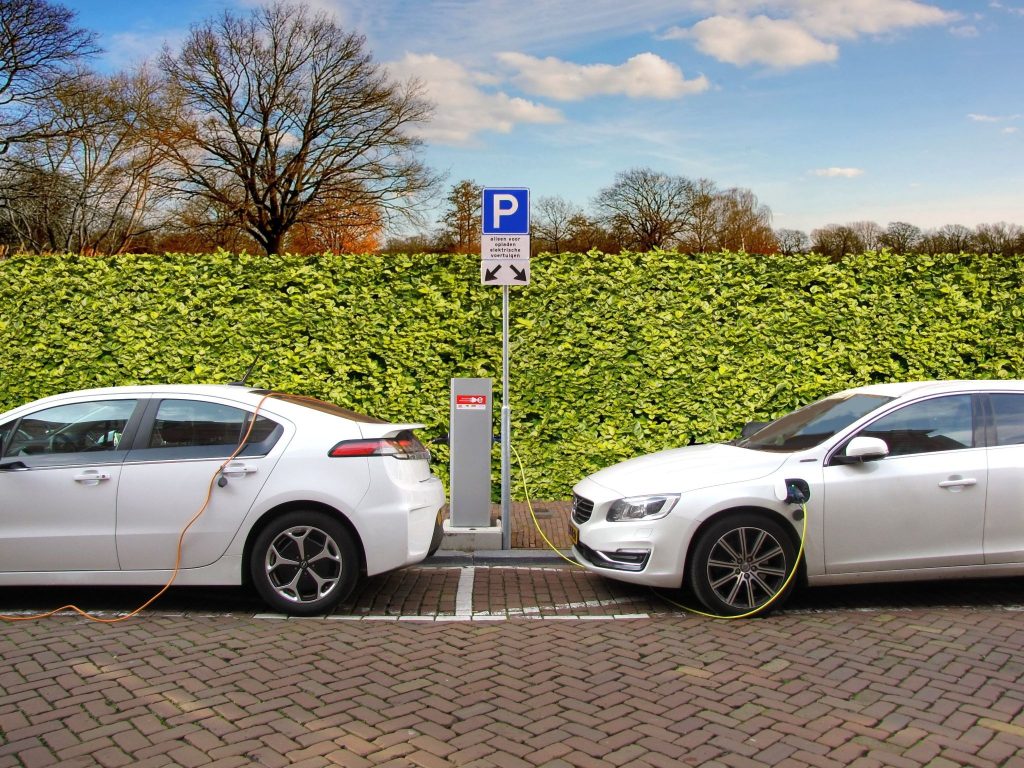
The electric vehicle industry is entering a period of remarkable growth. Governments are introducing policies to encourage clean transportation, automotive manufacturers are expanding their EV lineups, and private investors are rapidly building charging infrastructure. While charging stations often receive the most attention, the technology operating behind these networks is equally important.
As charging ecosystems become larger and more complex, operators need tools that help them manage chargers efficiently. Monitoring station status, processing payments, managing users, and ensuring smooth operations across multiple locations are tasks that cannot be handled manually for long. This is where intelligent charging software is playing a transformative role.
The New Challenges Facing Charging Operators
Installing charging hardware is only the first step in building a successful network. Once stations are deployed, operators face several operational challenges that directly affect profitability and customer satisfaction.
These challenges include charger downtime, inconsistent user experiences, payment issues, maintenance scheduling, and the integration of chargers from different manufacturers. Without centralized management, even a medium sized charging network can become difficult to operate efficiently.
Why Software Has Become Essential
Modern charging infrastructure depends heavily on digital platforms. Operators need real time information about charger availability, charging sessions, revenue generation, and equipment health.
A comprehensive platform such as EV Charging Management Software allows operators to control their entire charging ecosystem from a single dashboard. This centralized approach reduces operational complexity and enables businesses to make faster and more informed decisions.
Real Time Monitoring Improves Network Reliability
One of the biggest advantages of intelligent charging platforms is the ability to monitor chargers continuously. Operators can instantly identify offline stations, detect technical faults, and perform remote diagnostics before problems become more serious.
This proactive approach significantly reduces maintenance costs and improves charger uptime. Reliable service has become a major competitive advantage because EV drivers increasingly expect charging stations to function seamlessly whenever they need them.
Better User Experiences Encourage Growth
Customer expectations within the EV industry continue to rise. Drivers want charging experiences that are simple, fast, and convenient.
Modern software platforms support mobile applications, reservation systems, digital payment methods, and charging history records. These features create a smoother user journey and help operators build customer loyalty in an increasingly competitive market.
Managing OCPP Networks More Efficiently
The EV charging industry consists of hardware produced by numerous manufacturers. This creates interoperability challenges for operators attempting to build unified charging ecosystems.
TrendPower has positioned itself as one of China’s leading providers of EV charging management solutions by helping operators manage OCPP networks, billing systems, payment processing, user accounts, and real time charger operations. Such capabilities are becoming increasingly important as charging infrastructure expands across different regions.
Data Driven Decision Making
Charging stations generate large amounts of valuable operational data. Information regarding charging behavior, energy consumption, station utilization, and customer preferences can provide important business insights.
Advanced software platforms transform this information into practical strategies. Operators can identify high demand locations, optimize pricing structures, and improve resource allocation through detailed analytics and reporting capabilities.
Artificial Intelligence and Predictive Maintenance
Artificial intelligence is beginning to reshape the way charging networks operate. Instead of responding to equipment failures after they occur, operators can now predict potential problems before they result in downtime.
Predictive maintenance tools analyze charger performance patterns and identify abnormalities that may require attention. This approach reduces service interruptions and lowers long term maintenance expenses while improving overall operational efficiency.
Supporting Future Energy Ecosystems
Electric mobility is becoming increasingly connected with renewable energy and smart grid technologies. Charging stations are no longer isolated assets but important components of broader energy ecosystems.
Solutions like the EV Charging Point Management System help operators coordinate charging infrastructure, manage energy consumption, and integrate additional technologies such as solar generation and battery storage systems.
As sustainability goals become more ambitious worldwide, intelligent energy management capabilities will become increasingly valuable.
The Future of Charging Infrastructure
The growth of electric vehicles will continue to create new opportunities for charging businesses around the world. However, long term success will depend on much more than simply installing additional charging stations.
Efficient management, seamless customer experiences, reliable operations, and scalable infrastructure will determine which operators succeed in the evolving market. Intelligent software platforms provide the foundation necessary to achieve these objectives.
Companies investing in advanced charging management technologies today are preparing themselves for the next phase of industry growth. By combining centralized control, real time monitoring, analytics, and interoperability, modern software solutions are helping operators build profitable and future ready charging ecosystems that can support the continued expansion of electric mobility worldwide.
