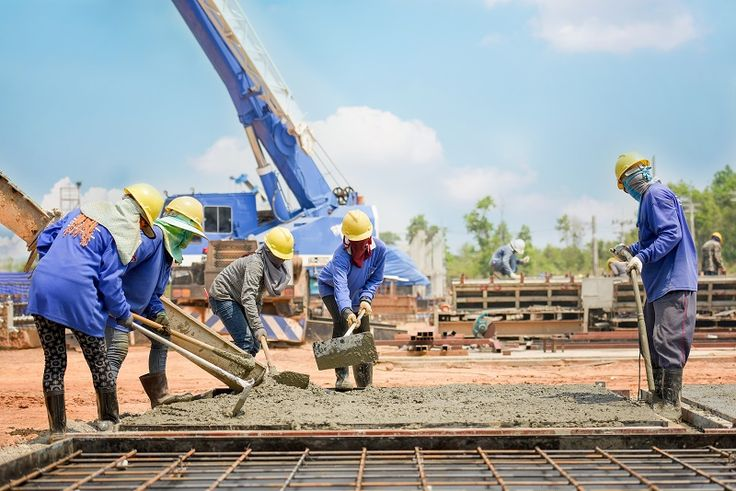
Concrete remains one of the most essential building materials used across residential, commercial, and industrial construction projects. From foundations and driveways to bridges and large-scale developments, concrete supports structures that must withstand time, weather, and heavy use. Modern construction methods depend heavily on durable materials that provide strength, consistency, and efficiency throughout every stage of the building process.
The increasing demand for faster and more reliable construction has also changed how contractors approach material selection. Builders now prefer ready-mix solutions because they reduce waste, improve accuracy, and help maintain consistent quality standards. Whether a project involves a small home extension or a major commercial site, dependable concrete plays a central role in achieving safe and long-lasting results.
Understanding the Role of Concrete in Construction
Concrete acts as the structural backbone of many projects. Its ability to handle compression and resist environmental damage makes it suitable for a wide range of applications. Modern concrete mixtures are carefully designed to provide the correct balance of strength, workability, and durability.
Different projects require different concrete specifications. Residential work may require smoother finishes and moderate strength, while industrial facilities often need reinforced concrete capable of supporting significant loads. The flexibility of concrete allows engineers and contractors to tailor solutions according to the specific needs of each build.
Construction professionals also value concrete for its adaptability. It can be molded into different shapes, poured into complex frameworks, and finished in various textures and styles. This versatility explains why concrete remains one of the most widely used materials in the world.
Why Ready-Mix Concrete Has Become Essential
Traditional on-site concrete mixing can create inconsistencies that affect overall structural quality. Measuring errors, uneven water ratios, and environmental conditions may weaken the final product. Ready-mix concrete solves many of these challenges by ensuring controlled production under professional conditions.
Factories producing ready-mix concrete use advanced systems to maintain accuracy throughout the mixing process. Every batch follows precise measurements to ensure consistent performance. This approach helps reduce delays, minimize material waste, and improve efficiency on-site.
Benefits of Ready-Mix Concrete
- Improved consistency and quality control
- Faster project completion times
- Reduced labor requirements
- Less on-site mess and material waste
- Better structural reliability
- Increased efficiency for large-scale projects
Builders often choose ready-mix solutions because they simplify operations while maintaining high construction standards. Reliable delivery schedules also allow contractors to coordinate work more effectively.
Choosing the Right Concrete for Different Projects
Not every construction project requires the same type of concrete. Selecting the correct mixture depends on factors such as environmental exposure, load requirements, and structural design. Engineers evaluate these conditions before deciding on the appropriate strength and composition.
For example, residential driveways may need concrete that can resist weather changes and vehicle pressure. Commercial foundations require stronger formulations designed to support larger structures. Decorative concrete applications may include additives or finishes that improve appearance while maintaining durability.
The correct concrete choice can directly influence the lifespan and maintenance needs of a structure. Poor-quality mixtures may crack prematurely, weaken over time, or become vulnerable to moisture damage. Investing in suitable materials from the beginning often reduces future repair costs.
The Growing Demand for Reliable Local Supply
Construction timelines often depend on the availability of materials. Delayed deliveries can slow progress, increase labor costs, and disrupt scheduling. This is why contractors frequently rely on local suppliers capable of providing timely service and consistent quality.
Many builders working on residential and commercial developments seek dependable solutions like concrete crayford because access to reliable ready-mix services helps maintain project efficiency and ensures materials arrive when needed.
Local sourcing also provides logistical advantages. Shorter travel distances reduce transportation delays and help maintain the quality of fresh concrete during delivery. Contractors benefit from better communication, improved scheduling flexibility, and quicker response times when adjustments are required.
Factors That Affect Concrete Performance
Concrete performance depends on more than just the mixing process. Several environmental and structural factors influence durability and strength over time. Understanding these variables allows builders to create more resilient structures.
Water-to-Cement Ratio
The amount of water used during mixing has a major impact on concrete quality. Excessive water weakens the final structure and increases the risk of cracking. Maintaining proper ratios helps achieve optimal strength and durability.
Weather Conditions
Temperature and humidity affect curing times and structural performance. Hot weather may cause rapid moisture loss, while cold conditions can slow curing significantly. Proper site management ensures concrete cures correctly under varying environmental conditions.
Reinforcement Materials
Steel reinforcement bars and fibers improve tensile strength and reduce cracking. Reinforced concrete is especially important in heavy-load applications such as bridges, foundations, and commercial buildings.
Proper Curing
Curing allows concrete to develop its intended strength gradually. Inadequate curing can lead to weaker surfaces and long-term structural issues. Contractors often use moisture-retention methods to support proper curing during the early stages.
Sustainability and Modern Concrete Solutions
Sustainability has become an increasingly important topic within the construction industry. Builders and developers now seek environmentally responsible methods that reduce waste and lower carbon emissions without compromising quality.
Modern concrete production incorporates several sustainable practices, including recycled aggregates and optimized mixing technologies. Efficient ready-mix systems also minimize unused materials and reduce unnecessary transportation requirements.
Some construction companies are exploring low-carbon cement alternatives and energy-efficient production methods to improve environmental performance. While concrete production still contributes to emissions globally, innovation continues to improve sustainability standards across the industry.
Sustainable Construction Practices Include:
- Using recycled materials in concrete mixes
- Reducing transportation distances
- Minimizing excess production waste
- Improving energy efficiency in manufacturing
- Extending building lifespan through durable materials
Long-lasting structures reduce the need for frequent repairs and reconstruction, which ultimately supports more sustainable urban development.
Common Applications of Ready-Mix Concrete
Ready-mix concrete supports countless types of construction projects. Its consistency and efficiency make it suitable for both small and large developments across multiple industries.
Residential Construction
Homeowners and contractors use ready-mix concrete for:
- Foundations
- Patios
- Driveways
- Garden pathways
- Home extensions
Commercial Projects
Commercial construction often requires high-strength concrete for:
- Office buildings
- Shopping centers
- Parking structures
- Warehouses
Infrastructure Development
Large infrastructure projects depend heavily on concrete for:
- Roads
- Bridges
- Tunnels
- Public transport systems
- Drainage systems
The adaptability of concrete ensures it remains a core component of urban growth and infrastructure expansion worldwide.
Challenges Facing the Concrete Industry
Despite its importance, the concrete industry faces several ongoing challenges. Rising material costs, environmental regulations, and supply chain disruptions can affect project planning and budgeting.
Skilled labor shortages also create difficulties in maintaining efficient operations. Proper concrete placement and finishing require experienced professionals who understand structural requirements and safety standards.
In addition, changing climate conditions may impact curing processes and long-term durability. Construction companies must continue adapting techniques and technologies to address evolving environmental concerns.
The industry’s ability to innovate will play a key role in meeting future construction demands while balancing sustainability and cost efficiency.
The Future of Concrete Technology
Advancements in technology continue to reshape the concrete sector. Researchers are developing new materials and methods designed to improve performance, durability, and environmental sustainability.
Self-healing concrete, for example, contains materials that automatically repair small cracks when exposed to moisture. Smart concrete technologies can also monitor structural health through embedded sensors that detect stress or damage over time.
Automation and digital monitoring systems are improving production accuracy and reducing human error during mixing and delivery. These innovations may help construction companies complete projects more efficiently while maintaining higher quality standards.
As urban populations grow and infrastructure demands increase, modern concrete solutions will remain essential for supporting future development.
Conclusion
Concrete continues to serve as one of the most reliable and versatile materials in modern construction. Its strength, adaptability, and long-term durability make it essential for residential, commercial, and infrastructure projects. The shift toward ready-mix solutions has improved consistency, efficiency, and overall project management across the industry.
Construction professionals seeking dependable material solutions often rely on services such as concrete crayford to support efficient building operations and maintain high construction standards throughout their projects.
FAQs
1. What is ready-mix concrete?
Ready-mix concrete is concrete manufactured in a controlled facility using precise measurements before being delivered directly to construction sites. This process ensures consistency, improved quality, and reduced material waste compared to on-site mixing methods.
2. Why is concrete curing important?
Curing allows concrete to gain strength gradually by retaining moisture during the hardening process. Proper curing improves durability, reduces cracking risks, and ensures the structure performs effectively over its intended lifespan.
3. How does weather affect concrete performance?
Extreme temperatures and humidity levels can impact how concrete sets and cures. Hot weather may cause rapid drying, while cold conditions slow the curing process. Contractors use protective measures to maintain proper curing conditions.
4. What are the benefits of using ready-mix concrete?
Ready-mix concrete offers several advantages, including consistent quality, reduced labor requirements, faster construction timelines, lower waste levels, and improved structural reliability for various types of projects.
5. Can concrete be environmentally friendly?
Modern concrete production increasingly includes sustainable practices such as recycled materials, efficient manufacturing processes, and reduced waste generation. Durable concrete structures also help lower long-term environmental impact by reducing repair and replacement needs.
