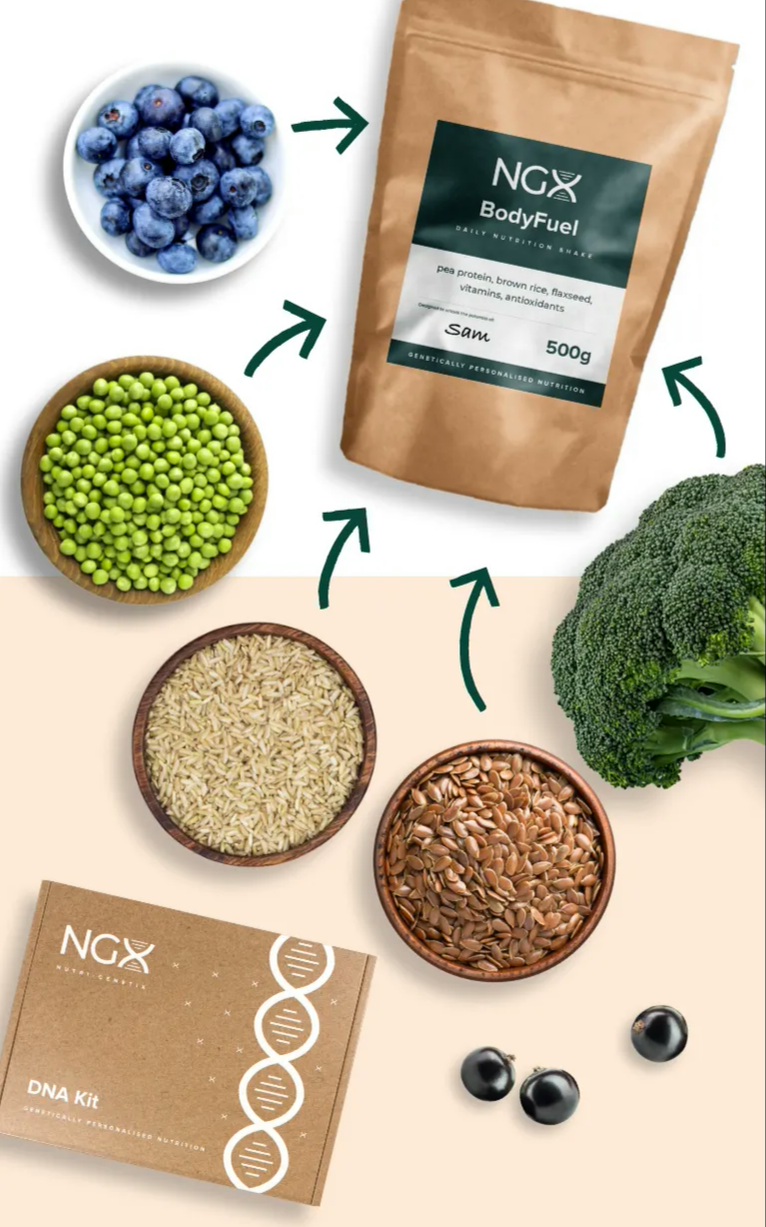
Most people get a genetic DNA test expecting dramatic revelations. Maybe you were curious about ancestry, or your doctor brought it up during a routine screening at the polyclinic. Either way, the results arrived and somewhere between the raw data and colour-coded risk charts, you probably thought okay, but what do I actually do with this?
That’s the question nobody answers properly. Taking the test is easy. The real value of a genetic DNA test only kicks in when you start using those results to make smarter choices about what you eat and which supplements your body genuinely needs instead of guessing along with everyone else.
Your Genes Aren’t a Verdict, They’re a Starting Point
Your DNA results don’t tell you what will happen. They tell you what’s more likely under certain conditions. Big difference, and most people blur that line the moment they spot “elevated risk” on their report.
What your genetic DNA test reveals are variants, small DNA differences influencing how your body processes nutrients, handles inflammation, metabolises caffeine, and absorbs vitamins. The useful variants for nutrition fall into a field called nutrigenomics, which has been gaining real traction among functional medicine practitioners and integrative clinics across Singapore over recent years.
Your genes load the gun. Diet and lifestyle pull the trigger or don’t.
Where Nutrition Gets Personal
Certain gene variants directly affect how your body handles specific nutrients. Knowing about them can genuinely change what belongs on your plate.
| Gene Variant | What It Affects | What It Means for Your Diet |
| MTHFR | Folate processing | You may need methylfolate instead of regular folic acid |
| FTO | Appetite and fat storage | Higher carb-sensitivity; protein-rich meals may suit you better |
| LCT | Lactose tolerance | Whether dairy works for your gut or quietly causes trouble |
| CYP1A2 | Caffeine metabolism | Slow metabolisers should genuinely cut back on kopi |
| VDR | Vitamin D absorption | Despite year-round sun in Singapore, your body may poorly absorb it |
That VDR variant is more relevant here than most people expect. Singapore gets plenty of sunshine, yet vitamin D deficiency rates exceed sixty percent among local adults. Part of that is lifestyle office jobs, air-conditioned environments, limited outdoor time. But a genetic DNA test can reveal that your body is simply inefficient at processing whatever vitamin D it does get. That changes the supplementation conversation entirely.
The LCT variant matters here too. Lactose intolerance rates vary significantly across Singapore’s ethnic groups higher among Chinese and Malay populations, lower among Indian Singaporeans. If your report flags this and you’ve been quietly dealing with bloating after your morning teh or cereal, now you know why.
Not every variant needs action. The trick is knowing which ones matter, and that means consulting a practitioner who actually understands genomics not Googling your results at two in the morning.
Supplementation Without the Guesswork
Walk into any Guardian or Watsons here. Shelves packed with multivitamins, omega-3 capsules, collagen powders all promising better health. Most people grab whatever’s on promotion or whatever an influencer recommended last week. And honestly, most of that money gets wasted because generic supplementation completely ignores your individual biology.
A genetic DNA test cuts through that noise. Poor methylation capacity showing in your results? A standard B-complex won’t help. You’d need methylated forms methylcobalamin instead of cyanocobalamin, methylfolate instead of folic acid. Small label difference. Enormous difference in how your body actually uses it.
Same with omega-3s. Some people carry variants making them inefficient at converting plant-based ALA into the EPA and DHA their brain and heart need. For them, fish oil isn’t optional it fills a genuine metabolic gap.
The point isn’t more pills. It’s fewer but the right ones. In a market like Singapore where quality supplements aren’t cheap, knowing exactly what you need saves you real money over time.
The Limits Worth Knowing
No genetic DNA test is perfect. These tests work with probabilities, not certainties. Environment, sleep, stress, gut health, hundreds of factors interact with your genes in ways no single report fully captures.
Quality matters too. A genetic DNA test from a reputable lab with proper genetic counselling, whether through a specialist clinic in Novena, Orchard, or a major hospital network, is worlds apart from a budget kit ordered off iHerb at midnight.
And your results are a snapshot of predispositions; they don’t account for epigenetics, how gene expression shifts through sustained lifestyle changes. Something concerning today might become irrelevant with consistent dietary adjustments over a year or two.
Conclusion
Your genetic DNA test results aren’t meant to collect dust or fuel late-night anxiety spirals on Reddit health threads. They’re arguably the most personal health tool available right now, built for making nutrition and supplementation decisions around your actual biology, not borrowed from someone else’s generic advice. Bring those results to a practitioner who reads them properly. Ask the specific questions. And start making the small, informed shifts that compound over months into something your standard Guardian multivitamin never could have delivered. Your genes handed you the map. What you eat next is the first real step.